
 Water damage drying
 Fire & smoke cleanup
 Mold remediation
 Storm response
 Sewage cleanup
 Reconstruction
Free visual inspection and a written scope of work before any mitigation begins - photos, moisture readings, and drying logs go in your claim file
The scope we write is the scope we bill. Anything new gets shown to you, in writing, before we touch it.
Get your free estimateFast, Reliable Storm Damage Restoration Across Southchase
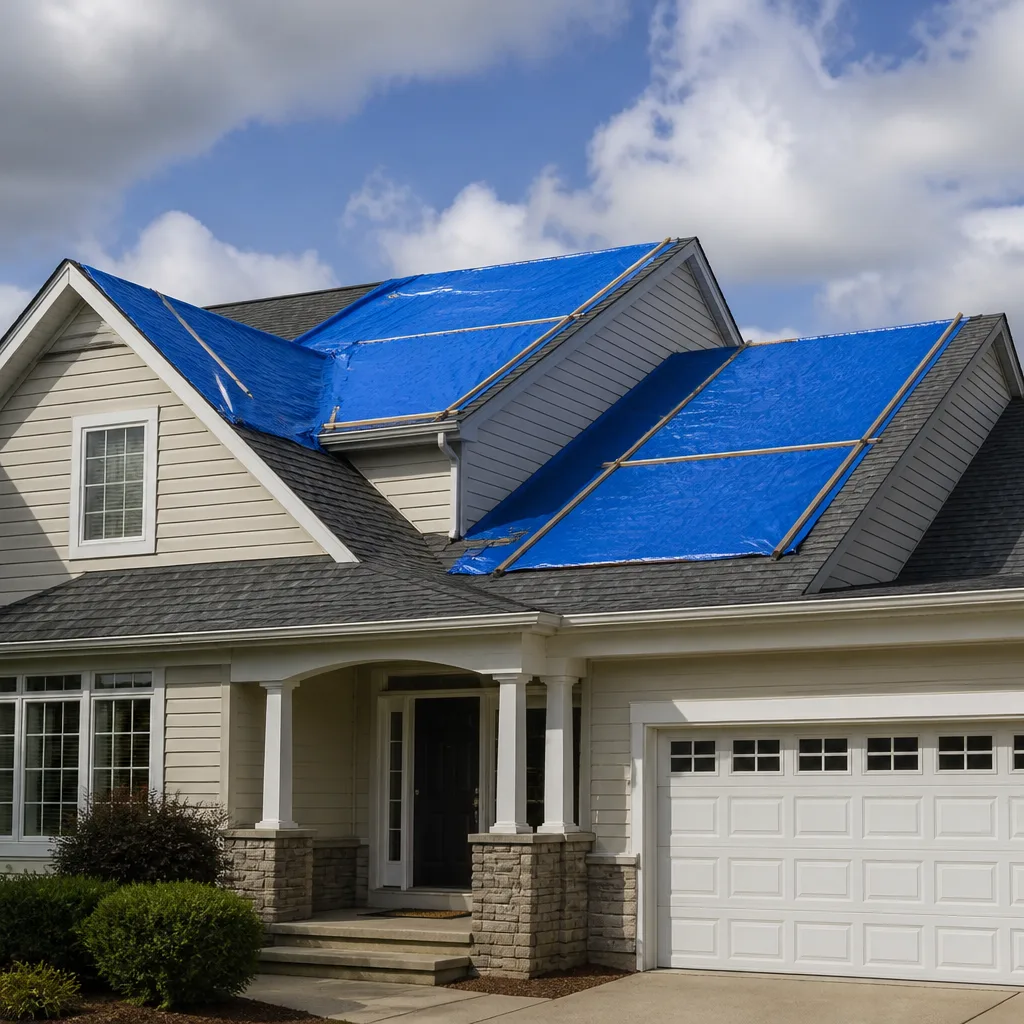
Storm damage in Southchase moves fast. After a violent afternoon thunderstorm or a passing tropical system pushes water through a failed window flashing or a cracked stucco wall, you’ve got roughly 24 to 48 hours before mold starts colonizing the damp wall cavities in our subtropical humidity. We respond to Southchase calls immediately. A live person answers at (850) 446-8938, day or night. Our crews know the townhome clusters off Weatherbee Road, the 1990s apartments along Orange Blossom Trail, and the single-family neighborhoods where slab-on-grade foundations and dense clay soils turn every roof leak into a race against structural drying.
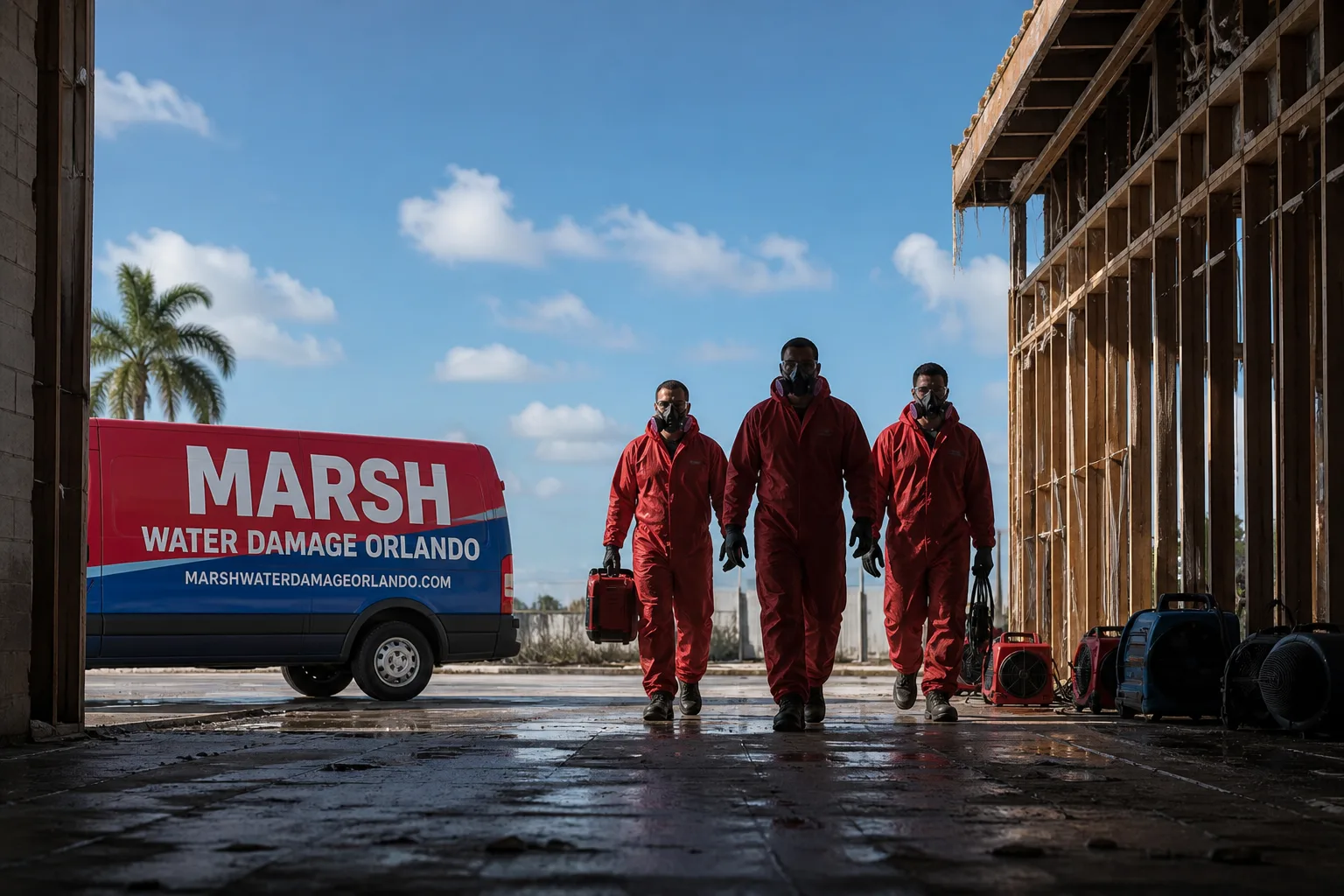
We’re not a franchise call center routing trucks from across the county. Our Southchase dispatch is coordinated from the brand’s Miami (South FL) office, with local crews who know the parking constraints, the alley-load garages, and the shared-wall construction that make this community’s storm damage different. When you call Marsh Water Damage Orlando, you’ll get a written price before any work starts, a technician’s name and photo sent to your phone before they arrive, and a 365-Day Done Right Promise printed on the work order. That’s the Threshold Standard, and it applies to every Southchase job we take.
Why Marsh Water Damage Orlando Is Southchase’s Preferred Storm Damage Restoration Company
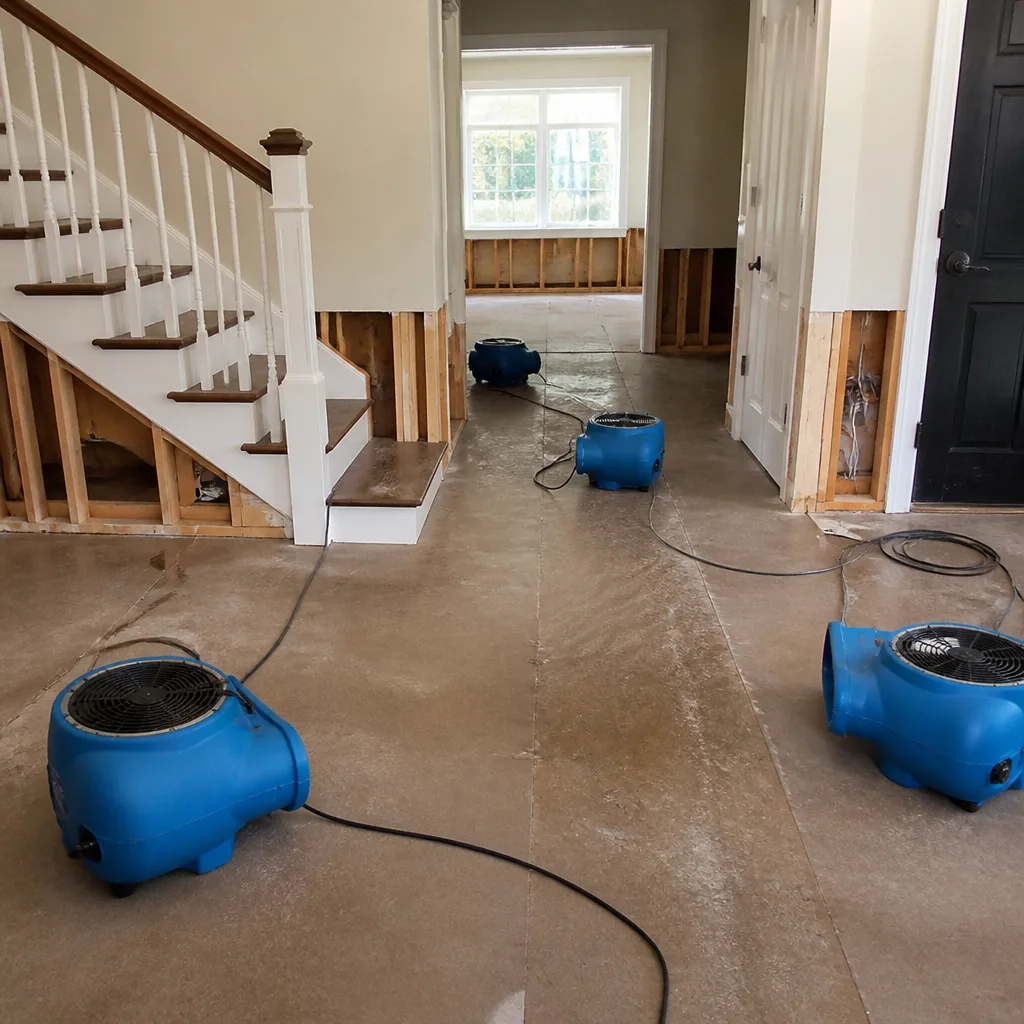
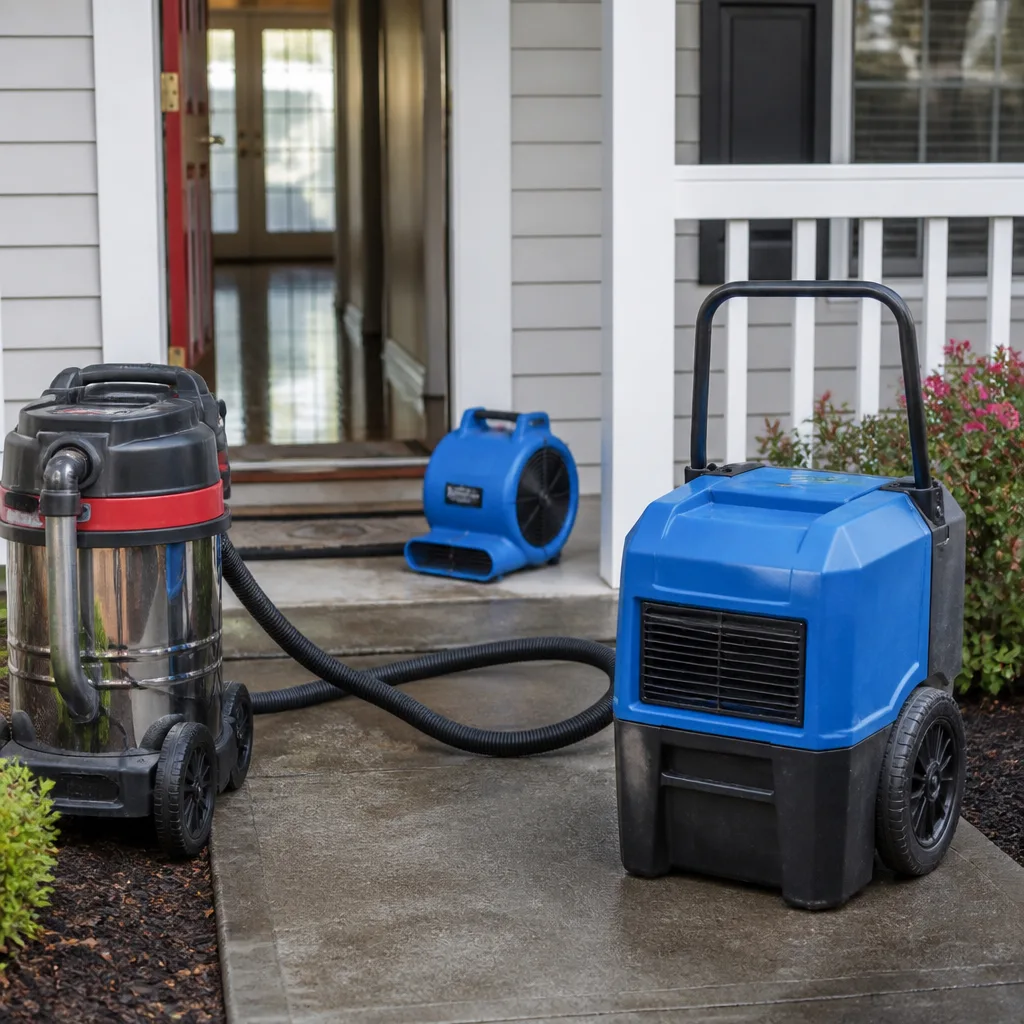
Southchase homeowners don’t want a crew that looks at their stucco-and-frame townhome like it’s a generic Florida floor plan. We know the difference. In Southchase, storm restoration often means working through a narrow alley-load garage door that refuses to pass a full-size air mover, or setting up containment in a second-story wood-frame wall where the cavity is tighter than anything in a new-build subdivision. Our technicians bring equipment sized for exactly this reality. We stock down-sized XPOWER air movers and compact B-Air dehumidifiers that fit through 30-inch doorway clearances without scratching walls or stalling the job.
Our local reputation in Southchase comes from solving the exact problems this housing stock creates. We’ve dried storm-soaked wall cavities in townhomes where the firewall penetration between units wasn’t sealed correctly in 1994, and moisture wicked into the neighbor’s unit before anyone noticed. We’ve extracted category 2 water from slab foundations where the drain lines run directly beneath the bedroom slab and every hour matters. Southchase customers call us back because we show up with a plan that accounts for the neighborhood’s water table, its original polybutylene plumbing, and its June-through-September storm cycle. Tobias Reyner, our owner, holds the technical team to IICRC standards on every single job.
Restoration work we handle
Storm Damage Contractors in Southchase
Storm Damage Contractors in Southchase do more than pump water out – they map how storm water travels through a house that was built on reclaimed wetland and then dry it according to that map. When a Southchase homeowner needs a storm damage contractor, the work typically falls into two buckets: emergency water extraction and structural drying after wind-driven rain intrusion, or full-scope restoration after a hurricane or tropical system pushes water through the roof, windows, or stucco. Most residential storm water extraction in Southchase runs $1,800 to $4,200 before drying equipment is set, depending on how many rooms are involved and whether the water reached the slab or the second-story framing.
Fast Extraction From Tight Spaces
Southchase townhomes and 1990s construction present a specific problem: the spaces are tight, the doors are narrow, and the water doesn’t care. We send extraction tools that fit through alley-load garages and up narrow stairwells without damaging door frames. Our techs run Injectidry systems into wall cavities from the interior, so we’re not tearing out drywall to find the moisture path. You get a written scope before demo starts. You know exactly what we’re cutting, what we’re drying, and what it costs.
Structural Drying Built for Florida Clay
Southchase sits on dense clay soil over a high water table. That means water pooling against a slab foundation doesn’t drain the way it does in sandy-soil parts of the county. Storm water that gets under baseboards or into sill plates can sit there for days if it’s not actively extracted. We set up drying plans that account for that trapped moisture, using Dri-Eaz dehumidifiers and Phoenix air movers, and we take psychrometric readings (measuring the moisture in the air and in the framing) until the structure is genuinely dry, not just dry on the surface. If it’s not right within 365 days, we come back and make it right. That’s our standing guarantee.
Storm Damage Cleanup in Southchase
Storm Damage Cleanup in Southchase is the work that happens after the standing water is gone but before the house is safe to live in. It’s the removal of storm-soaked drywall, saturated carpet pad, damaged insulation, and any materials that can’t be dried. In most Southchase homes, storm cleanup runs $900 to $2,800 for a single affected room, including demolition, haul-away, and antimicrobial application to exposed framing. Multi-room cleanup or anything involving category 3 water (storm water that mixed with sewage or ground contaminants) lands higher, often $3,500 to $7,500 depending on the extent of the saturation.
Removing the Materials That Hold Storm Water
Southchase’s original polybutylene plumbing and aging HVAC drain pans mean a storm event is rarely just a roof issue. A thunderstorm can push water through a stucco crack at the same time an old pipe is weeping behind the vanity. Storm cleanup here means cutting out everything the water touched, including the baseboards and drywall that wick moisture upward from the slab. We bag and remove all of it under containment, so mold spores don’t spread through the rest of your house while we work.
Treating Wall Cavities Before Rebuild
Once the wet materials are out, the framing has to be treated. In Southchase’s humid subtropical climate, that means applying an antimicrobial to the exposed studs and bottom plates before anything gets closed back up. We document that step with photos. If your insurance adjuster needs to see what came out and what was treated, the images and the drying log are available for direct adjuster coordination. We handle that conversation for you. You’re not standing in a gutted hallway trying to explain category 2 water to an adjuster on the phone.
Trusted Brands We Service in Southchase
We don’t show up with whatever equipment was on sale. Our Southchase storm damage jobs run on Dri-Eaz dehumidifiers, Phoenix air movers, and XPOWER extraction units, with Injectidry systems for wall-cavity drying when the water is trapped between studs. These are the same machines used in commercial losses and hospital flood jobs. We maintain our own inventory so there’s no waiting on a rental yard when a Southchase townhome needs drying started tonight. Our technicians carry IICRC credentials, and every one of them is background-checked, identity-verified, and sent to your door with a photo badge and a name you already received on your phone before the knock. That’s the Threshold Verified standard in action.
See the difference
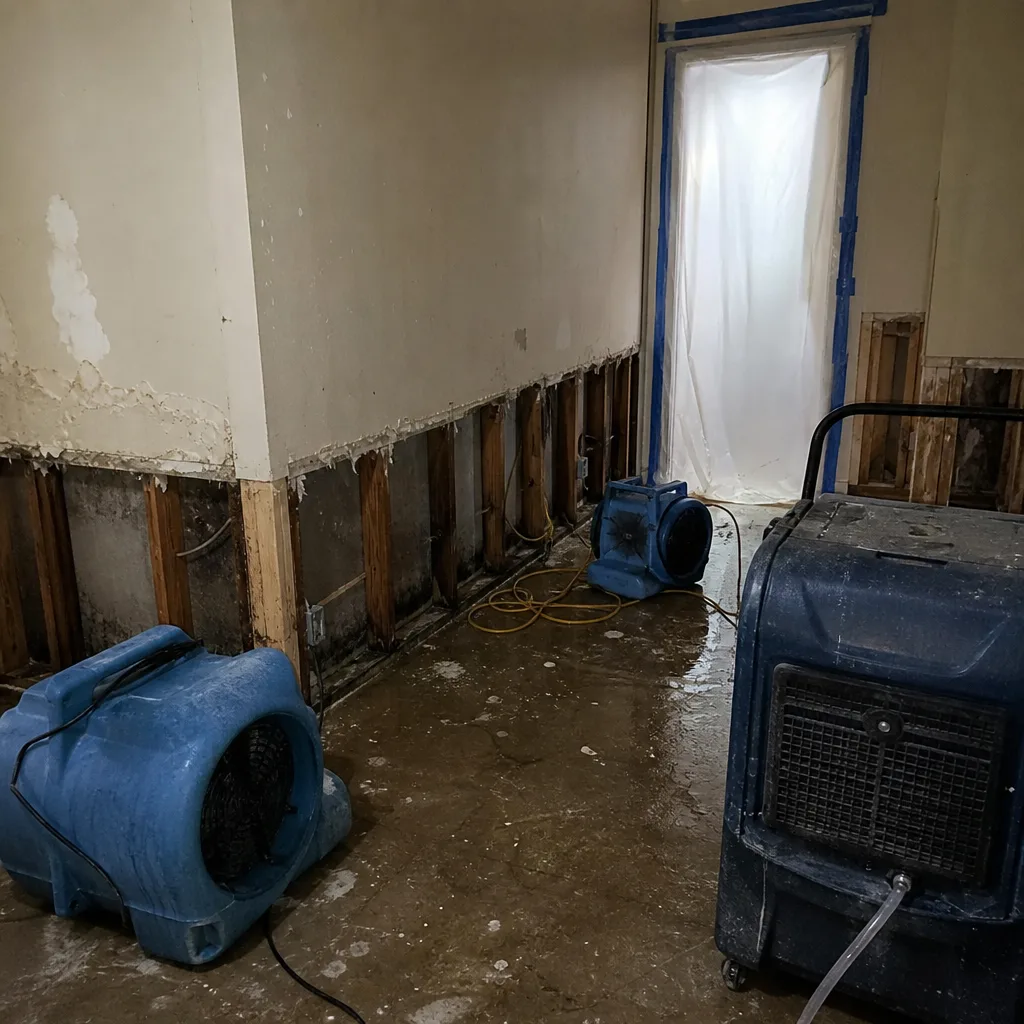 Before
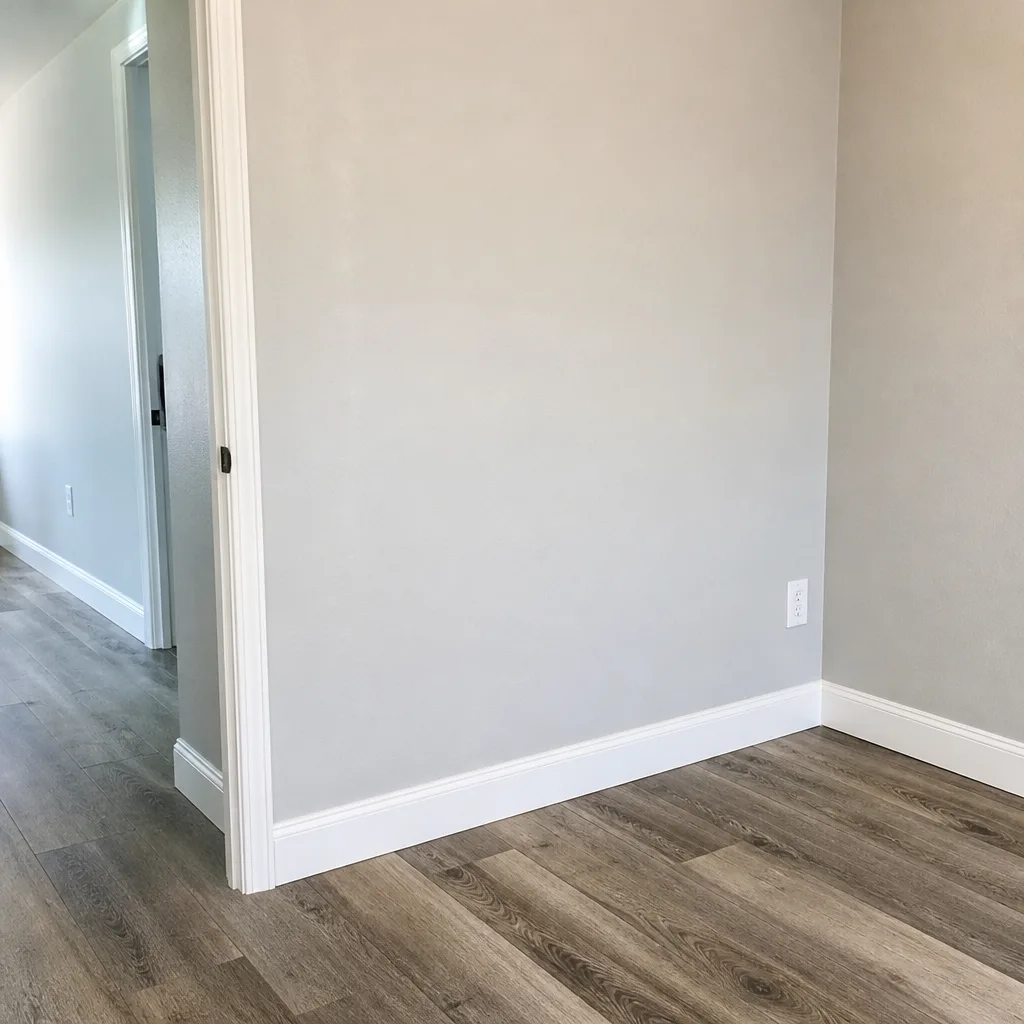 After
After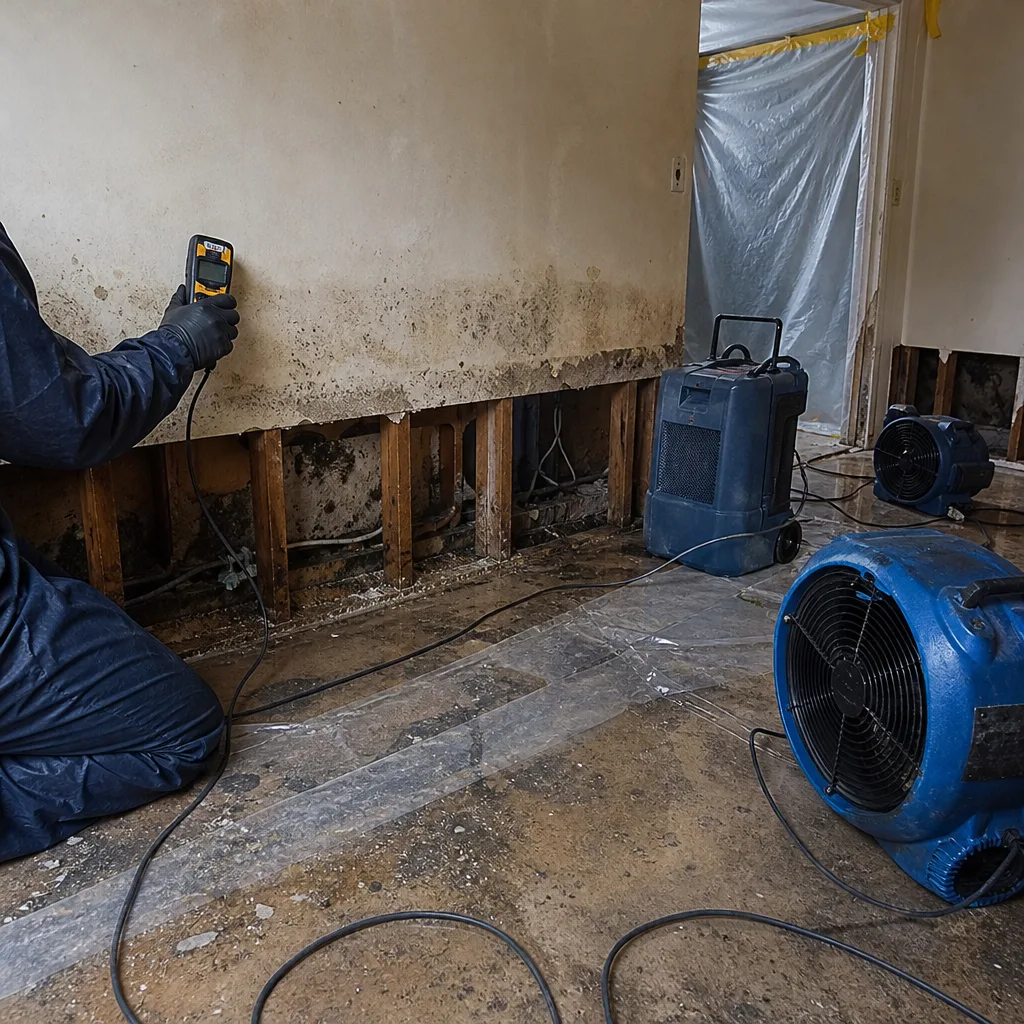 Before
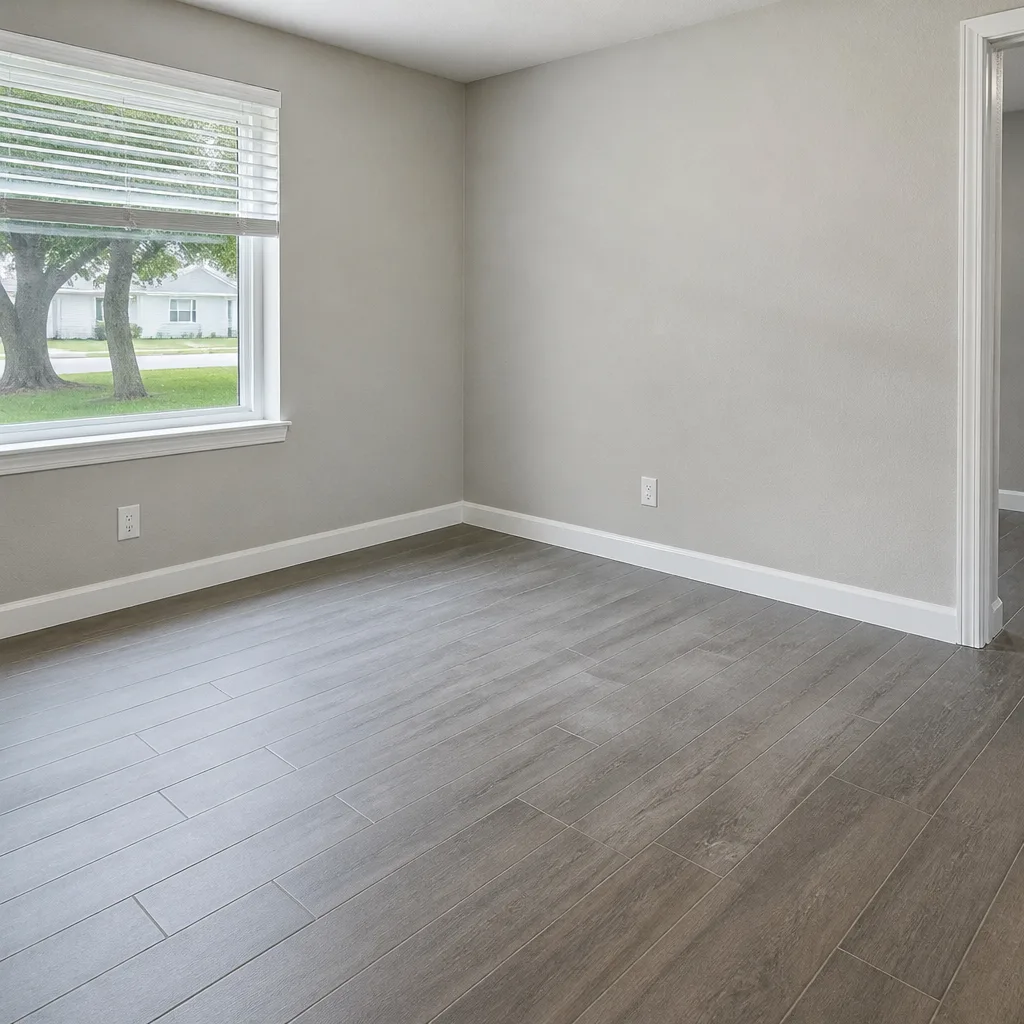 After
After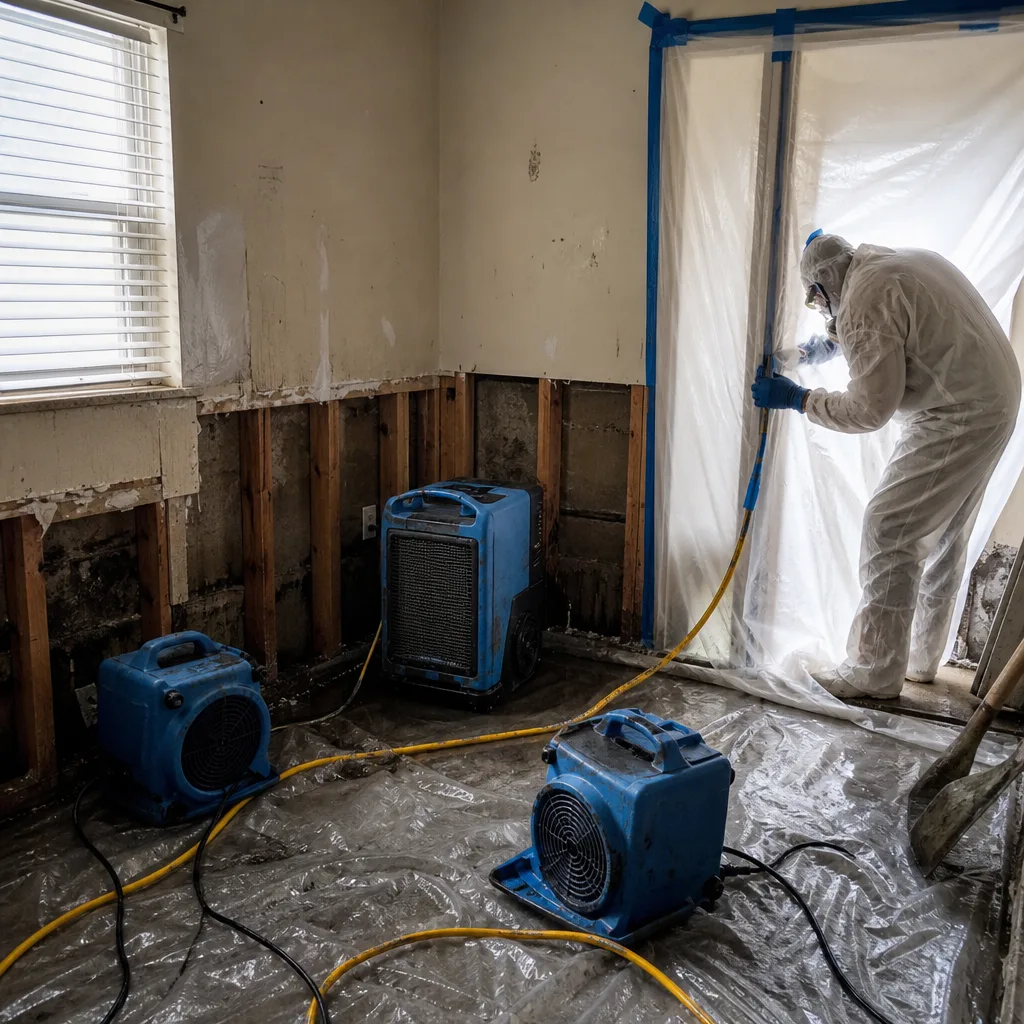 Before
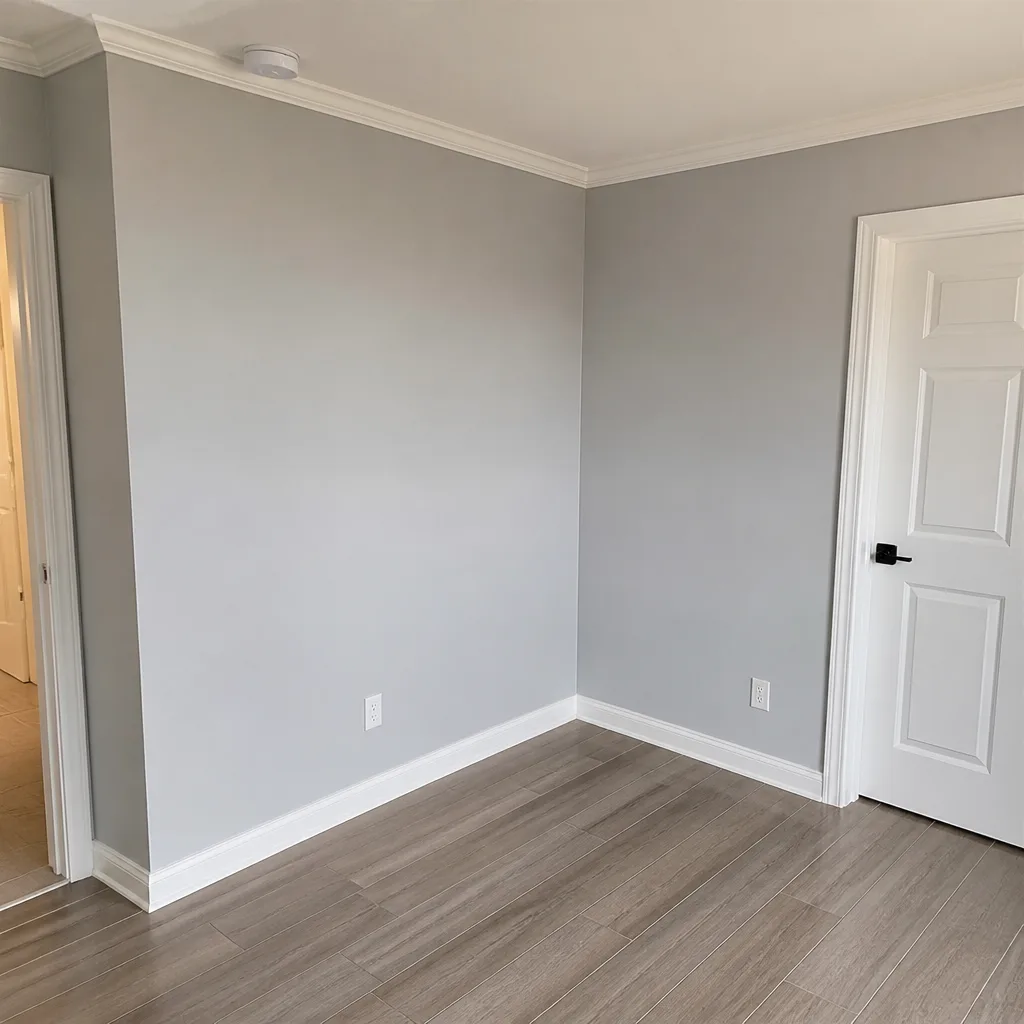 After
AfterCommon Storm Damage Restoration Problems We See in Southchase Homes
- Shared-wall moisture wicking in apartment complexes. Along the Orange Blossom Trail corridor, many 1990s-era apartment buildings have firewall penetrations between units that were never properly sealed. A single storm-driven kitchen pipe burst or roof leak can push moisture into three neighboring units, which means one family’s storm damage becomes a multi-unit mold remediation. If you rent or own in one of those complexes, call us the same day you see water.
- Stucco cracks that funnel wind-driven rain into wall cavities. Southchase’s exterior walls are mostly stucco over wood frame or concrete block, and after years of freeze-thaw cycling and intense summer storms, the stucco develops hairline cracks right at window corners and rooflines. Wind-driven rain gets pushed into those cracks during storm season and saturates the sheathing behind.
- Original polybutylene plumbing that fails during the same storm. Many Southchase homes built from the 1980s to the mid-1990s still have polybutylene supply lines. Those pipes are already brittle. Add a storm’s pressure changes or a lightning strike, and a weak joint can let go. We frequently see homes where the roof leaked and a pipe failed in the same event. Both need extraction.
- Oversized equipment that can’t get through tight doorways and alley-load garages. Southchase townhomes and courtyard units have narrow side doors and garage clearances that a full-size commercial air mover can’t clear. Contractors unfamiliar with the neighborhood show up with equipment that doesn’t fit, and the job stalls while mold keeps growing. We carry the compact units that fit Southchase’s actual dimensions.
Pricing for Storm Damage Restoration in Southchase, FL
A single-room storm water extraction in a Southchase townhome typically runs $1,800 to $3,500, including the water removal, initial drying setup, and moisture mapping. Full storm cleanup with demolition of saturated drywall and carpet pad across two or three rooms generally lands between $3,500 and $7,500, depending on whether the water was category 1, 2, or 3, and how much of the wall flashing or roof decking needs repair. Stucco wall drying without full replacement, using Injectidry cavity systems, starts around $1,200 per affected wall assembly. Every price is given to you in writing before we start. No estimate that balloons after demo begins. Every job includes our free second visit if the repair fails within 365 days. If the water is still moving, call (850) 446-8938 now and we’ll tell you what it’ll cost to stop it.
We Also Serve Cities Near Southchase
Our crews handle storm damage restoration in Southchase and the surrounding communities. That includes Storm Damage Restoration work in Orlando, Kissimmee, Clermont, and Sanford. If you’re in a home or townhome near the Southchase line and you’ve got water moving through your walls, call us. If you need a broader look at how we handle storm damage across the region, our service hub covers the full scope of what our team does for Florida homeowners. And if you’re specifically in Southchase, you already know the drill by now: same-day service, written pricing, and a name and photo before the knock.
Serving Southchase, FL - Our Local Coverage Area
We’re based in the Southchase area and know this community well. Use the map below to see our service coverage - if you’re nearby, we can almost certainly help.
FAQs About Storm Damage Restoration in Southchase
The wall cavities in Southchase townhomes are tighter, with shared firewall penetrations between units that can wick moisture horizontally. A detached single-family home in Orlando has air space around all four sides. Your unit doesn’t. If storm water sits in the wall cavity for more than 24 hours in our subtropical humidity, the mold risk isn’t contained to one wall; it moves through the assembly and potentially into the neighbor’s unit. Faster extraction isn’t a nicety here. It’s the structural difference between a drying job and a Southchase Mold Remediation.
Category 2 water is contaminated water that can pose a health risk if ingested or absorbed through broken skin, and category 3 is sewage or ground-mixed water. If a storm event has pushed either into a Southchase home, we extract immediately, then remove all porous materials the water touched: carpet pad, drywall, insulation, baseboards. Polybutylene plumbing complicates the job because we’re often fixing a pipe failure at the same time. We identify the source, stop it, and then start the extraction. If the water reached the slab, we take psychrometric readings to map exactly how far the moisture migrated before we decide what gets cut. You’ll get a written scope and a price before demo starts.
Yes, in many cases. If the stucco crack is limited to a window corner or a roofline intersection, and the water intrusion is caught within a few days, we can dry the wall cavity from the interior using Storm Damage Restoration techniques like cavity drying with Injectidry mats. The stucco itself often doesn’t need full replacement if the framing behind it hasn’t been saturated long enough to lose structural integrity. We’ll verify that with thermal imaging and moisture mapping. If the stucco has de-bonded from the lath, that’s a different discussion, and we’ll show you exactly what we’re seeing before we recommend anything.
Those 1990s-era apartment buildings along the Orange Blossom Trail corridor were built with shared wall cavities and firewall penetrations that were never properly sealed. When a storm drives rain through a failed window flashing or a pipe bursts in one kitchen, the water doesn’t stop at the unit’s drywall. It travels through the wall assembly and wicks into the neighboring units’ cavities. We’ve seen single storm events force containment and mold remediation in three separate apartments. If you live in one of those complexes and you see water anywhere, call (850) 446-8938 the same day. The clock is already running.
Southchase’s alley-load garages and narrow townhome doorways limit what equipment can physically get inside. A full-size commercial air mover from a big-box rental yard won’t fit through a 30-inch side door. We run compact XPOWER and B-Air units that fit the actual dimensions of Southchase garages and stairwells, without scratching your walls or forcing us to leave a unit outside while the inside stays wet. Equipment that can’t reach the water can’t dry the water. We carry the right sizes for these floor plans, which is why we can start drying the same day we arrive.
Written by Tobias Reyner, Owner at Marsh Water Damage Orlando, serving Southchase since the brand’s founding in 2005.