
Last updated October 16, 2026
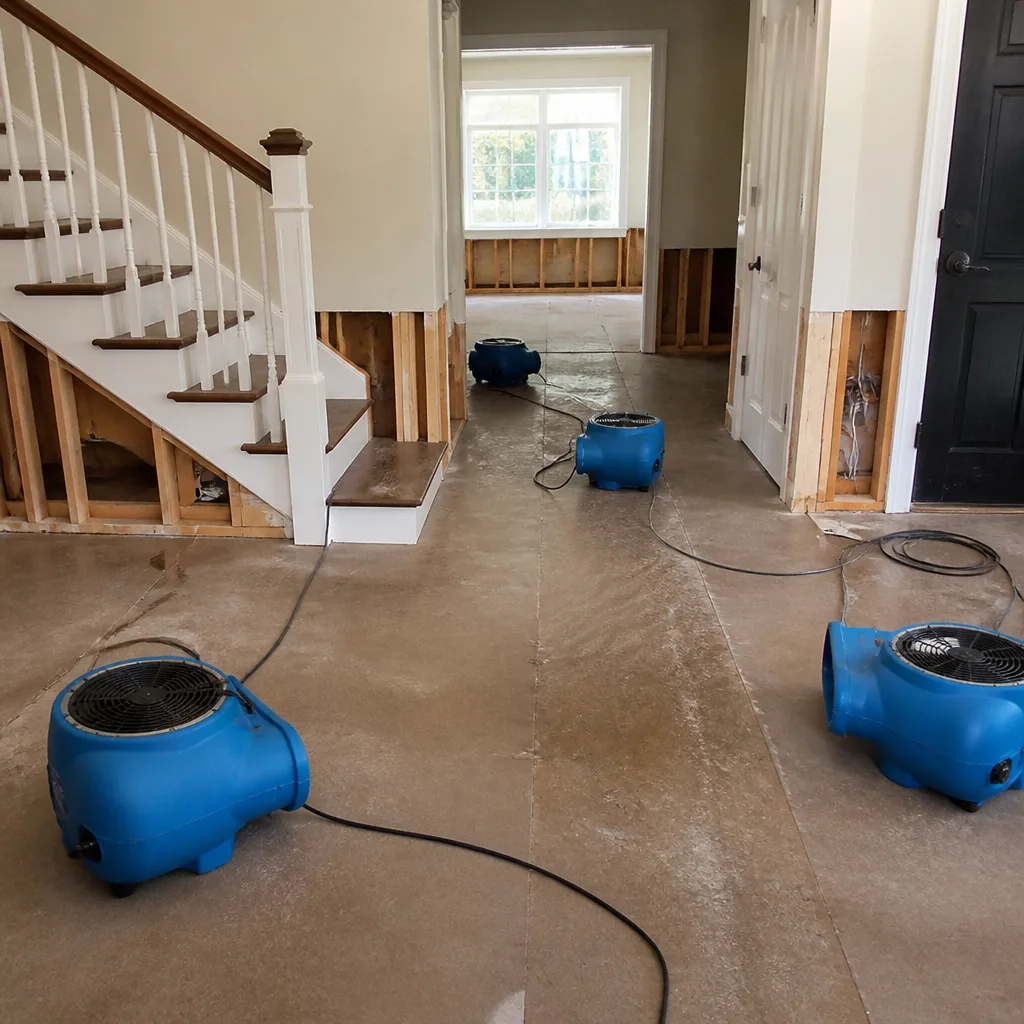 Water damage drying
 Fire & smoke cleanup
 Mold remediation
 Storm response
 Sewage cleanup
 Reconstruction
Free visual inspection and a written scope of work before any mitigation begins - photos, moisture readings, and drying logs go in your claim file
The scope we write is the scope we bill. Anything new gets shown to you, in writing, before we touch it.
Get your free estimateDIY vs Professional Damage Restoration: The Orlando Homeowner’s Decision Guide
A $400 box fan and a rented dehumidifier will move air around a wet Orlando room. What they will not do is dry the wall cavity, the subfloor, or the framing behind the baseboards. In Orlando’s humidity, those hidden cavities will grow mold while the surface feels dry to the touch. The homeowner who thinks they handled it finds out the truth when they sell the house, or when the smell comes back six months later. This guide will tell you exactly where the line between DIY and professional restoration sits: what you can safely do yourself, what you should never attempt, and what it will cost to do it right. For How to Hire a Damage Restoration Contractor in Orlando: A Step-by-Step Guide, see our companion resource.
Restoration work we handle
Quick Answer
For most water damage in Orlando, professional restoration is not a luxury, it is the difference between a fixed problem and a hidden one. If water touched drywall, flooring, or a wall cavity with more than a few cups of water, call a restoration company immediately. DIY is only genuinely appropriate for clean water spills caught within minutes on non-porous surfaces, and even then, the homeowner’s real job is documentation and triage, not drying.
Table of Contents
- The Psychrometric Gap: Why Consumer Gear Cannot Dry Orlando Structures
- The First Hour: What You Should Do Before Anyone Arrives
- When DIY Is Genuinely Appropriate: The Specific Scenario
- Florida Insurance Language and the ‘Reasonable Steps’ Trap
- The Mold Liability Line: Florida Law and IICRC S520
- Equipment Comparison: What Professionals Run vs. What You Can Rent
- What Restoration Actually Costs in Orlando
- Common Mistakes to Avoid
- When to Call a Professional
- Frequently Asked Questions
- The Bottom Line
The Psychrometric Gap: Why Consumer Gear Cannot Dry Orlando Structures
Psychrometric readings, which simply means measuring the moisture in the air and in materials, are the core of professional water damage restoration. A technician takes these readings with humidity sensors and moisture meters to determine how wet the air is and how wet the structure is. The goal is not to make the surface feel dry. The goal is to pull moisture out of materials until the air inside the wall cavity reaches a dew point that makes mold growth physically impossible.
Here is the problem with consumer equipment: a big-box dehumidifier pulls about 10 to 14 pints of water per day. A professional LGR dehumidifier, the kind we run on every Orlando job, pulls 70 to 140 pints per day. That is not a 20% improvement. It is a 10x difference in moisture removal capacity. But the raw pint count is only half the story.
The more important factor is what the equipment does to the air itself. In Orlando, the ambient outdoor humidity in August runs 75% to 90%. A consumer dehumidifier will get a room down to maybe 45% to 50% relative humidity on a good day. Professional equipment gets the air down to 25% to 35% relative humidity, and in some cases even lower with desiccant systems. At that level, the moisture in the drywall, the subfloor, and the framing is actively pulled out by vapor pressure differential. The wet materials give up their water because the surrounding air is deliberately, measurably dryer than the material itself.
And then there is the wall cavity problem. A fan blowing air across a wet floor dries the surface of the floor. It cannot reach the inside of a wall. Water wicks up drywall, soaks the insulation, and pools at the base plate. The only way to dry that space is with an Injectidry system, a specialized tool that forces dry air directly into the sealed wall cavity, combined with negative air pressure to pull the wet air out. This equipment is not available at the hardware store. It is not available at most rental centers. It is what separates a job that dries in 3 days from a job that looks fine for 5 days and then smells for 5 years.
The math is simple. Orlando’s climate is working against you every single day. Warm, humid air holds more moisture. A structure that is not dried aggressively in the first 48 to 72 hours becomes a mold incubation chamber. The homeowner who rents a box fan is not fighting a fair fight against Central Florida’s dew point, and the structure always loses.
The First Hour: What You Should Do Before Anyone Arrives
There is a critical window between the moment water appears in your Orlando home and the moment a professional crew walks through the door. What you do in that first hour determines whether the restoration is fast and contained, or slow and expensive. Here is the step-by-step order of operations for every homeowner.
- Stop the water source. If the water is coming from a supply line, an appliance, or a plumbing fixture, shut off the valve at the source. If you cannot find the valve, shut off the main water supply at the meter. This takes 30 seconds and prevents thousands of gallons from compounding the problem.
- Kill the electricity to the affected area. Water and electricity do not mix. If the water has reached any outlet, switch off the breaker for that room before you enter standing water. If you cannot reach the breaker panel without stepping in water, do not enter the room. Call a professional.
- Photograph everything, and we mean everything. Before you move a single item, take wide shots of the entire affected area. Then take close-ups of the water line on the walls, the wet carpet, the affected furniture, and the source of the leak. Insurance adjusters work from documentation. The more photos you take in the first hour, the stronger your claim. This is the single most valuable thing a homeowner can do that a company cannot do for you.
- Remove small, valuable items that are not waterlogged. Paperwork, electronics, medications, heirlooms, anything that can be carried out of the affected area, move it now. Do not spend time trying to dry furniture. Just get it out of the wet zone.
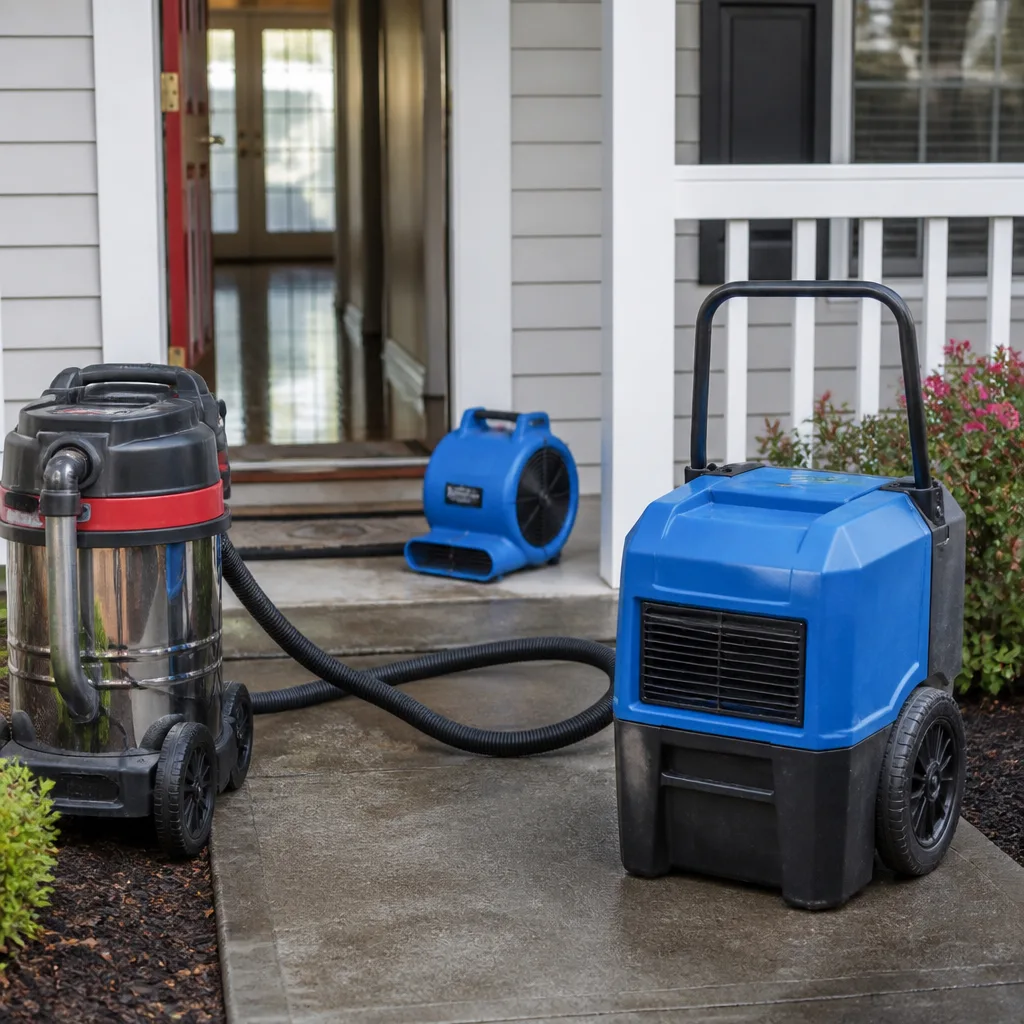
- Do not attempt extraction with a wet-dry vac beyond surface water. A homeowner can absolutely pull standing water off a tile floor with a wet vac. Go slow, take your time, and stop when the visible surface water is gone. But understand this: the water you can see is maybe 30% of the total. The rest is in the padding, the subfloor, and the wall cavities.
At this point, your job is done. You have stopped the bleeding, documented the scene for insurance, and removed the most vulnerable possessions. The next step is a phone call. A live person answers the Marsh Water Damage Orlando line 24/7, even on holidays, because water damage never files a calendar request before it shows up. The Oklahoma City-sized problem in your living room will not wait for Monday morning.
When DIY Is Genuinely Appropriate: The Specific Scenario
This guide will not tell you that DIY is always wrong, because that would be dishonest. There is one narrow, clearly-defined scenario where a homeowner with standard equipment can genuinely complete the job. It is worth describing precisely so you can recognize it in your own home.
The scenario looks like this: a toilet supply line breaks while you are home. You hear it pop, you reach the shutoff valve within 10 minutes, and the water has spread across a tile floor in a bathroom with no wall contact, no baseboard absorption, and no water reaching a doorway or threshold. The subfloor under a typical Orlando bathroom tile installation is cement board or concrete in many homes, not plywood. Your total water volume is measured in cups, not gallons.
If every one of those conditions is true, here is the DIY playbook: wet-vac or mop up the surface water, run a fan and a dehumidifier in the room for 24 hours, and check for warping or odor the next day. If the tile is intact, the grout is not discolored, and the room smells normal after 24 hours, congratulations. You have solved a minor problem with a mop and a fan.
But notice the conditions. The water was clean, the volume was small, the surface was non-porous, and the response was immediate. Change any one variable, water that sat for two hours, water from a toilet overflow instead of a supply line, water that touched a wall, and the DIY calculation collapses. Orlando is full of slab-on-grade homes where water from a small leak runs under the baseboard and soaks the bottom plate of an interior wall. That is no longer a cleanup. That is a restoration.
Our technicians have walked into homes where a homeowner spent a weekend with rented fans on a category 2 water loss. Category 2 means the water contained significant contamination, in this case from a washing machine that flooded a laundry room. The surface looked dry. The wall cavity behind the washer was not, and the mold culture that developed inside the wall required a full containment and remediation protocol that cost ten times what same-day extraction would have cost. The margin for error in Central Florida is too narrow to guess.
Florida Insurance Language and the ‘Reasonable Steps’ Trap
Florida homeowners insurance policies require the policyholder to take reasonable steps to prevent further damage after a loss. That language exists in nearly every standard policy sold in the state. The question is what counts as reasonable, and the answer trips up a lot of DIY-minded homeowners.
Here is the trap. If a pipe bursts and a homeowner dries the visible water with towels, sets up fans, and waits three days before the smell drives them to file a claim, the insurance company may argue that the homeowner failed to prevent further damage. The water that was not extracted from the subfloor and the drywall is now mold, and mold coverage in Florida is either limited or excluded entirely depending on the policy. The homeowner who thought they were being helpful has created a coverage dispute. The insurer now says: you had a duty to mitigate, you waited, and the mold is your responsibility.
Now compare that to a documented professional mitigation. A restoration company arrives within hours, extracts the water, sets professional drying equipment, takes psychrometric readings every day, and produces a drying log that shows exactly when the structure reached the dry standard. The insurer sees a timeline: loss occurred, professional mitigation began within hours, drying was complete on day three. That claim gets paid. The homeowner who did not document their DIY effort, or whose DIY effort failed, faces an uphill fight with the adjuster.
This is the part most guidance misses. The homeowner does have a role in the restoration process, but that role is documentation, not mitigation. Take photos before you move anything. Log the time the pipe burst. Save receipts for anything you buy. Document the call you made to the restoration company, including the time. Your documentation combined with professional mitigation is a defense against bad claims outcomes. Your DIY drying job is not, no matter how diligent you were.
For water damage in Orlando, call us at Water Damage Restoration in Orlando as soon as you have stopped the source and taken your photos. A live person answers, and the first step is a plan, not a sales pitch.
The Mold Liability Line: Florida Law and IICRC S520
Mold is where the DIY conversation stops. Not because homeowners are not capable, but because the law and the industry standards put mold remediation in a different legal category than water cleanup. In Florida, mold assessors and mold remediators must be licensed by the state. A homeowner who undertakes mold remediation without a license does not just risk a bad job. They risk legal exposure when they sell the home.
The IICRC S520 standard, the recognized industry document for mold remediation, defines when a mold issue crosses from general cleaning into remediation. The threshold is roughly 10 square feet of visible mold growth. Above that, you are in remediation territory. Below that, a homeowner can usually clean the affected area with appropriate care. But here is the catch that matters to an Orlando homeowner: by the time mold is visible on the surface, the source is rarely a 5-square-foot patch. The visible mold is what grew through the paint. The actual colony behind the drywall is almost always larger.
Florida law requires sellers to disclose known mold issues that materially affect the value of the home. The key word is known. If a homeowner sees mold, wipes it down with bleach, and repaints, technically they have not remediated anything. The mold is still there. If the next owner finds it and can show that the previous owner knew about it and concealed it, the legal consequences are real. Ignorance is not a defense when the evidence is a mold stain under a fresh coat of paint.
This is where the professional route protects you in a way that is not about drying science. A licensed mold remediator documents everything: the initial assessment, the containment setup, the removal, the clearance testing. When the job is done, you have a paper trail that proves the mold was properly remediated. That paper trail is what you show to a buyer, an inspector, or a lawyer. It is a shield that a bleach wipe-down cannot provide.
Our mold work in Orlando follows the IICRC S520 standard, and we hold credentials from the IICRC, RIA, and IFA. If you are not sure whether you are looking at surface staining or a real mold problem, call us. The worst case is we tell you to clean it with soap and water and save your money. The best case is we catch a problem before it crosses the threshold where you are legally obligated to disclose it.
Equipment Comparison: What Professionals Run vs. What You Can Rent
Homeowners in Orlando have access to rental equipment from chain stores and tool rental companies. It is worth understanding what that equipment can and cannot do, compared to what a professional restoration company brings to the job.
Dehumidifiers
- Consumer/rental units: 10-14 pint per day capacity, 115V household current, intended for damp basements and musty rooms. Gets a room to roughly 45-50% relative humidity at best. Designed for maintenance, not restoration.
- Professional LGR units (Dri-Eaz, Phoenix): 70-140 pint per day capacity, 115V or 230V, engineered to run continuously at 25-35% relative humidity. These units are built for the aggressive vapor pressure differential that pulls moisture out of building materials, not just out of the air.
Air Movers
- Box fans and carpet fans: Move air in a single direction. Useful for surface drying on a minor spill. Cannot be directed precisely, cannot be positioned to create a vortex against a wet wall, and cannot dry a cavity.
- Professional axial and centrifugal air movers: Focused, directional airflow at 2,000-3,000 CFM. A technician positions these in a deliberate pattern to force air across wet surfaces and into difficult corners, under cabinets, and behind baseboards. The placement is as important as the tool, and it comes from IICRC training, not from the back of a rental counter.
Wall Cavity and Floor Drying Systems
- Consumer options: None. There is no consumer tool that injects air into a sealed wall cavity or under a hardwood floor.
- Professional Injectidry and drying mats: The Injectidry system seals to the wall and forces pressurized dry air into the cavity, where it meets the water that wicked up from the floor. Drying mats pull moisture from hardwood floors by negative pressure. Without these tools, water in a wall cavity or under a floor is not drying. Period.
Moisture Detection
- Consumer options: A two-prong moisture meter from the hardware store. Reads surface moisture only, and not accurately on drywall.
- Professional meters and thermal imaging: We use non-invasive moisture meters, penetrating probes, and infrared cameras to map moisture through drywall, under cabinets, and inside wall cavities. A professional drying job is not declared complete until the numbers say the structure is at the dry standard. A consumer cannot take those readings, and without readings, any drying job is a guess.
The gap between rental equipment and professional equipment is not a gap in effort. It is a gap in physics. You could run a box fan for two weeks and a wet wall cavity in an Orlando summer would still not reach a safe moisture level. The equipment defines the ceiling of what is possible, and consumer gear has a low ceiling.
What Restoration Actually Costs in Orlando
Orlando homeowners consistently underestimate the cost of water damage restoration, and consistently overestimate the cost of professional equipment. Here is the honest breakdown of what you can expect to pay in the Orlando market, so you can compare it against the real cost of a failed DIY attempt. For year-round prevention tips, see our Seasonal Damage Restoration Care for Orlando: Year-Round Homeowner’s Guide.
- Water extraction, single room, clean water: $400-$900. This includes removing standing water, removing saturated padding if present, and setting drying equipment for 2-3 days.
- Full structural drying, multiple rooms or Category 2 water: $1,500-$4,000. This is the cost to dry a home properly with LGR dehumidifiers, air movers, Injectidry systems where needed, and daily psychrometric monitoring.
- Mold remediation, small to moderate area (10-50 square feet): $1,500-$5,000. Florida law requires licensed remediation, containment, and clearance testing for these jobs.
- Mold remediation, large loss (multiple rooms, HVAC contamination): $5,000-$15,000+. These are the jobs where containment, negative air, and full removal are required.
- Drywall and baseboard replacement after drying: $300-$800 per wall section, depending on finish and paint.
Now compare that to the cost of a failed DIY attempt. You rent a dehumidifier and fans for three days: roughly $200. You throw away the saturated carpet padding and buy replacement padding and reinstalling: $300-$500. The wall cavity behind the baseboard was not dried, so six weeks later you have a mold problem inside the wall: now you are paying for mold remediation, not water cleanup, and the cost starts at $1,500. If the mold spread to the HVAC system, the cost goes to $5,000 or more.
The financial case for professional restoration writes itself. The same $200 rental fee that failed to dry the wall cavity would have been the homeowner’s responsibility under their insurance deductible anyway, if they had filed the claim correctly and called a professional from the start. The most expensive way to handle water damage in Orlando is to try the cheap way first and then pay for the professional way anyway, plus the mold remediation.
Every Marsh Water Damage Orlando job receives a written price before any work begins. Not an estimate that balloons after the demo crew finds more water. A written scope and a written price. That is not a promotion; it is the way we have run this company since 2005.
Common Mistakes to Avoid
- Using a household fan on a wall that wicked water. A fan blowing across drywall dries the surface and masks the problem. The wet base plate behind the drywall becomes a mold farm, and you will not know until the smell or the stain appears months later.
- Assuming a wet-dry vac removed all the water. A vac removes standing water. It does not remove water from carpet padding, subfloor, vinyl plank underlayment, or wall cavities. Those materials hold water like a sponge.
- Opening windows to “air out” a wet room in Orlando. Outside air in Orlando carries more moisture than the damp room you are trying to dry. You are actively adding humidity to the problem. Keep the windows closed and let dehumidifiers do the work.
- Calling insurance before documenting the scene. The adjuster will never see the water if you remove it first. Photograph the standing water, the wet walls, and the source before you touch anything. Then call the professionals.
- Using bleach on mold. Bleach kills surface mold on non-porous materials. It does not penetrate drywall, it does not remove the colony, and it does not solve the moisture problem that caused the mold. In Florida, a bleach wipe can also create a false sense of security that leads to a failure to disclose at sale.
- Waiting until morning to call about a water leak discovered at night. Every hour water sits in an Orlando home, the drying job gets bigger. Our phone is answered by a live person at 2 a.m., not a voicemail, because the difference between a 2-hour-old water loss and a 8-hour-old water loss is real money.
When to Call a Professional
Call a professional restoration company if any of the following apply to your Orlando home: water has been in contact with drywall or baseboards for more than 30 minutes; water has reached a carpet pad, subfloor, or wall cavity; the water source is anything other than a clean supply line (toilet, washing machine, dishwasher, stormwater, sewage); the affected area is larger than 10 square feet; you smell a musty odor you cannot locate; or visible mold has appeared on any surface. These are not judgment calls. They are triggers that mean the drying science requires equipment and training you cannot rent.
Marsh Water Damage Orlando offers free estimates throughout the Orlando area. Call (850) 446-8938 and a live person will answer, day or night. We tell you exactly who is coming before the knock, and exactly what the job will cost before we start.
Frequently Asked Questions
Only for very small, contained water spills. A household dehumidifier removes 10-14 pints of water per day, which is enough to dry damp air in a room with minor surface moisture. It is not enough to pull water out of drywall, subfloor, or wall cavities, and in an Orlando summer it will not get the air dry enough to create the vapor pressure differential that pulls water from building materials. If the water soaked into anything, you need professional equipment.
Immediately. Marsh Water Damage Orlando maintains a 24/7 live dispatch, and a real person answers every call, including weekends and holidays. Depending on your location in the Orlando area, a crew can typically be at your door within an hour or two of your call. Time is the single biggest factor in restoration cost, and we do not make you wait.
Most Florida homeowners policies cover sudden and accidental water damage from things like burst pipes, supply line failures, and appliance leaks. The key is mitigation: your policy requires you to take reasonable steps to prevent further damage. Calling a professional restoration company immediately is exactly what your insurer wants you to do, and we document everything for your claim, including photo records and drying logs. We work directly with your adjuster so you do not have to translate restoration terminology into claim language.
If the visible mold is under 10 square feet and on a non-porous surface like tile, a homeowner can clean it with soap and water. If the mold is on drywall, if it is larger than 10 square feet, or if there is any chance the source is inside a wall cavity, you need licensed remediation. Mold that is visible on drywall almost always has a larger colony behind the surface. An honest assessment is a phone call away, and we will tell you if you do not need us.
We do. Our team documents every job with the same rigor an adjuster expects: photo records before, during, and after; daily psychrometric logs; and a written scope of work with a written price. We bill your insurance company directly where coverage applies, and we handle adjuster communication so you spend your time on your family, not on hold with a claims department. We have been doing this in Orlando since 2005, and our documentation standard is built for Florida adjusters.
Shut off the water source, kill the power to the affected room if water is near any outlet, photograph the standing water and the visible damage before you move anything, and call us at (850) 446-8938. The photos are your insurance evidence. The call is your mitigation. Do not waste the first hour moving furniture; a professional crew will handle that as part of the extraction process.
The Bottom Line
The DIY versus professional question in Orlando is not really a question. For any water loss that touches building materials, the answer is professional mitigation. Your job as the homeowner is to document the scene, stop the source, and make the call. Everything after that is equipment, training, and physics that you cannot rent from a hardware store. The homeowners who try to save money with fans and a rented dehumidifier in Orlando end up paying for mold remediation, insurance coverage disputes, and sometimes legal disclosure problems at sale. The homeowners who call early pay less, get dry faster, and have a paper trail that protects them for years. Explore more guides & resources on protecting your Orlando home. That is not a sales pitch. It is the economics of water in Central Florida.
If you have water damage in your Orlando home, or if you think you might, call us at (850) 446-8938. A live person answers every call, 24/7, and we will tell you honestly whether you have a problem that needs professional help or a spill you can handle with a mop. Either way, you will know exactly who is coming to your door, and exactly what it will cost, before any work begins.
Written by Tobias Reyner, Owner at Marsh Water Damage Orlando, serving Orlando since 2005.
See the difference
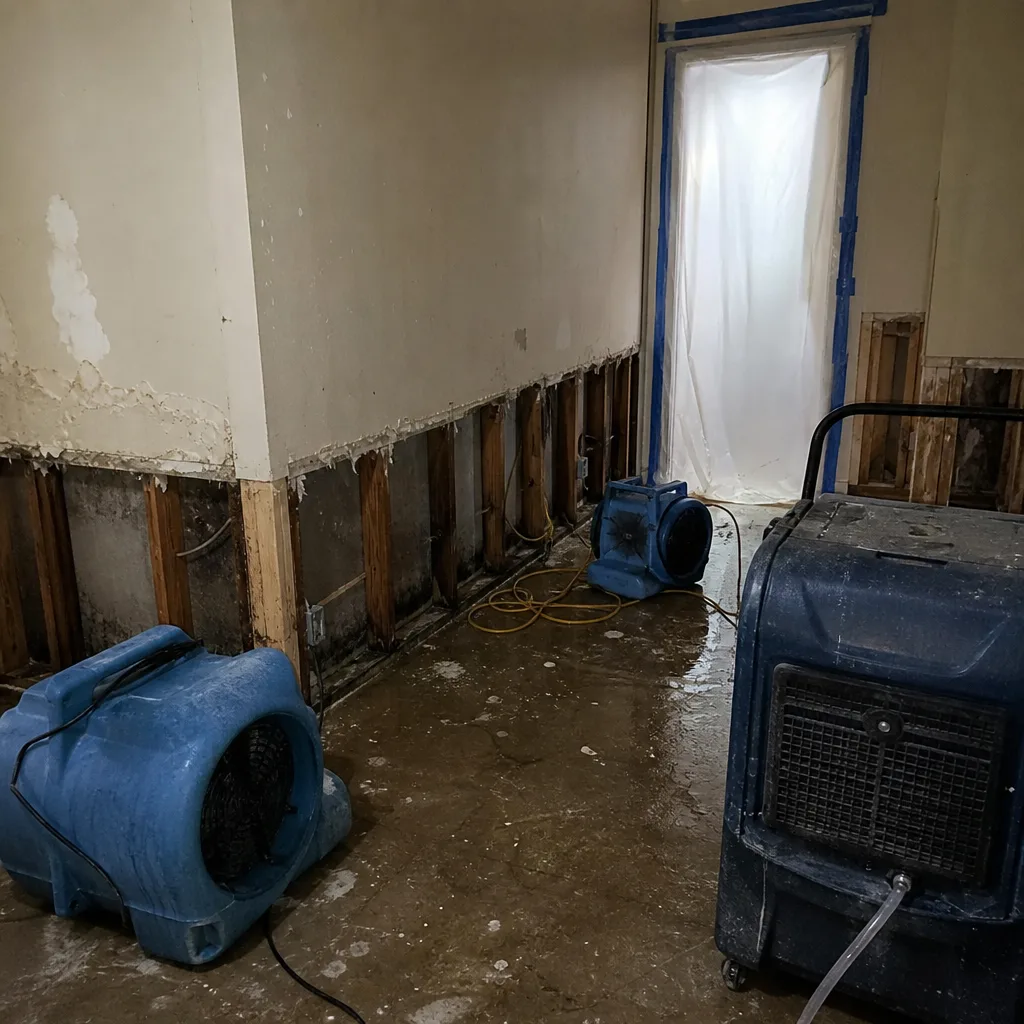 Before
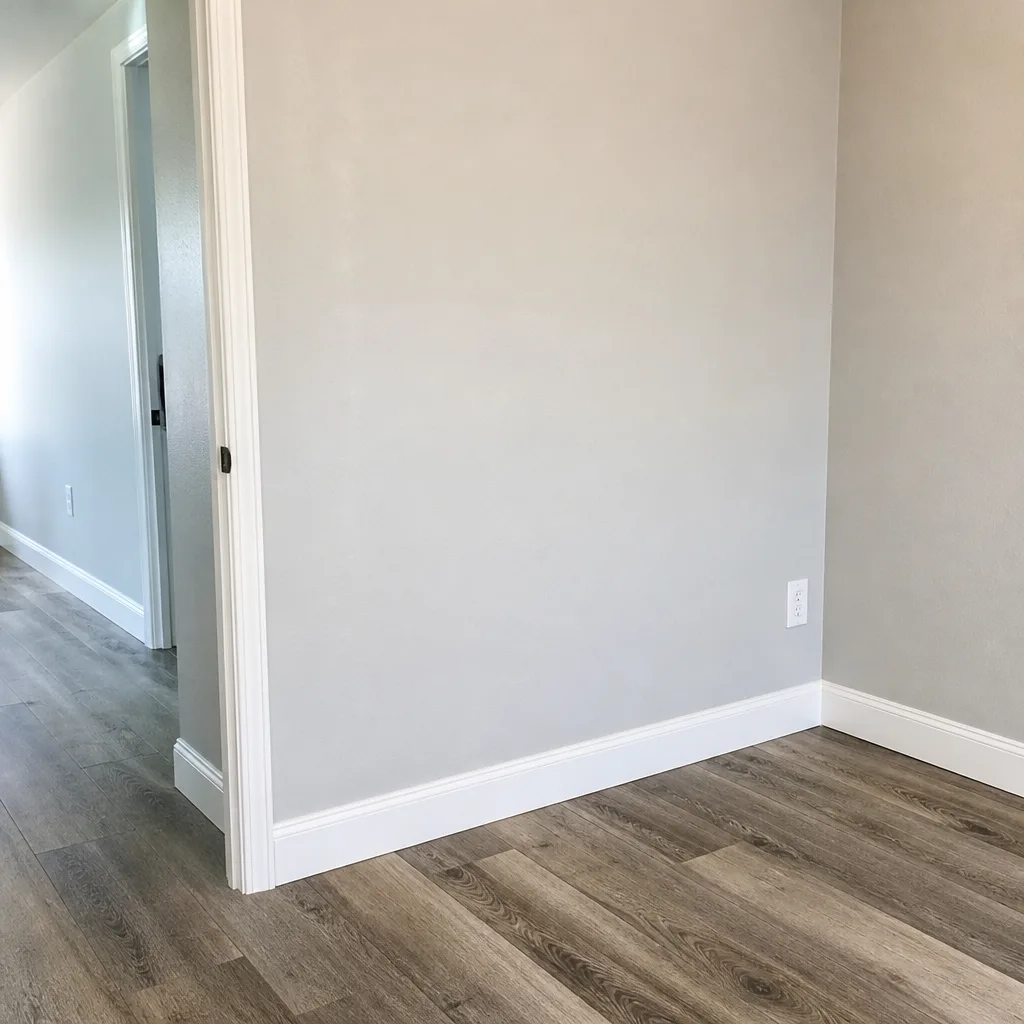 After
After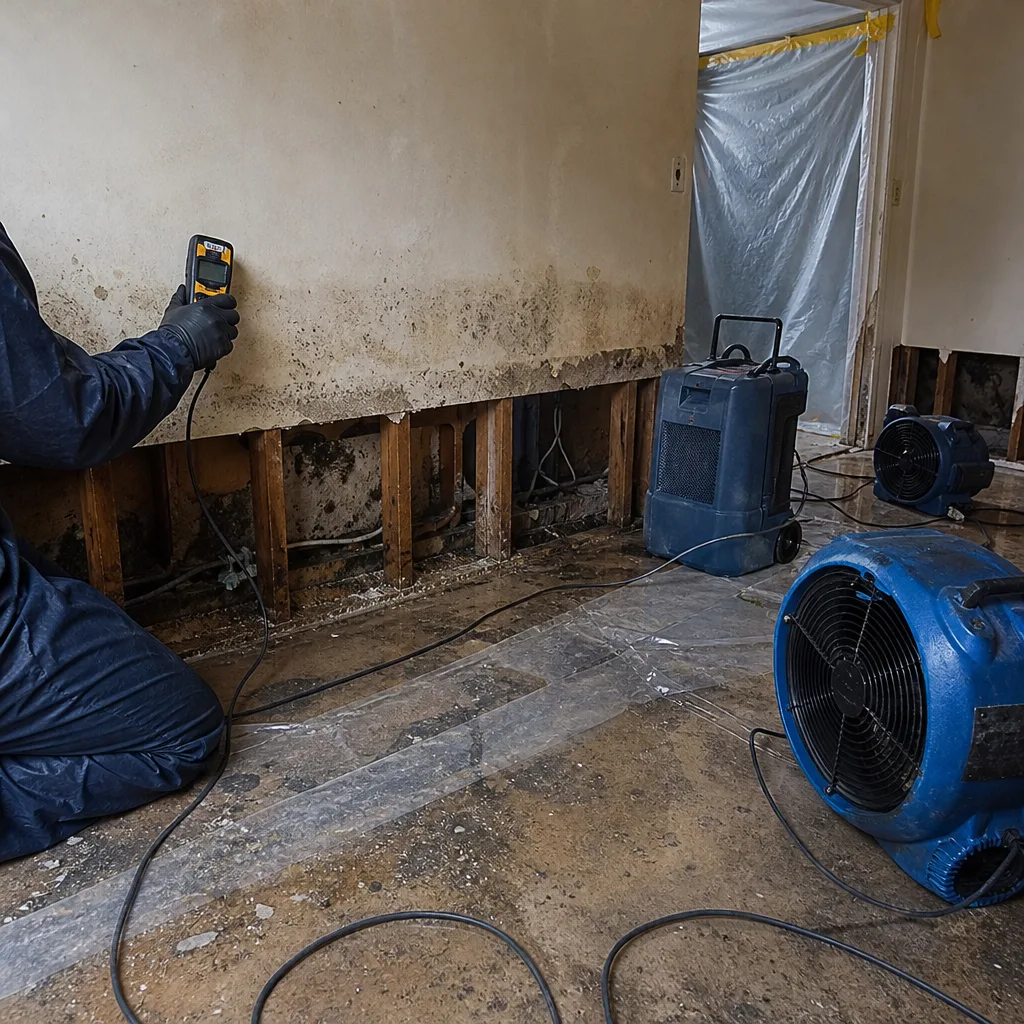 Before
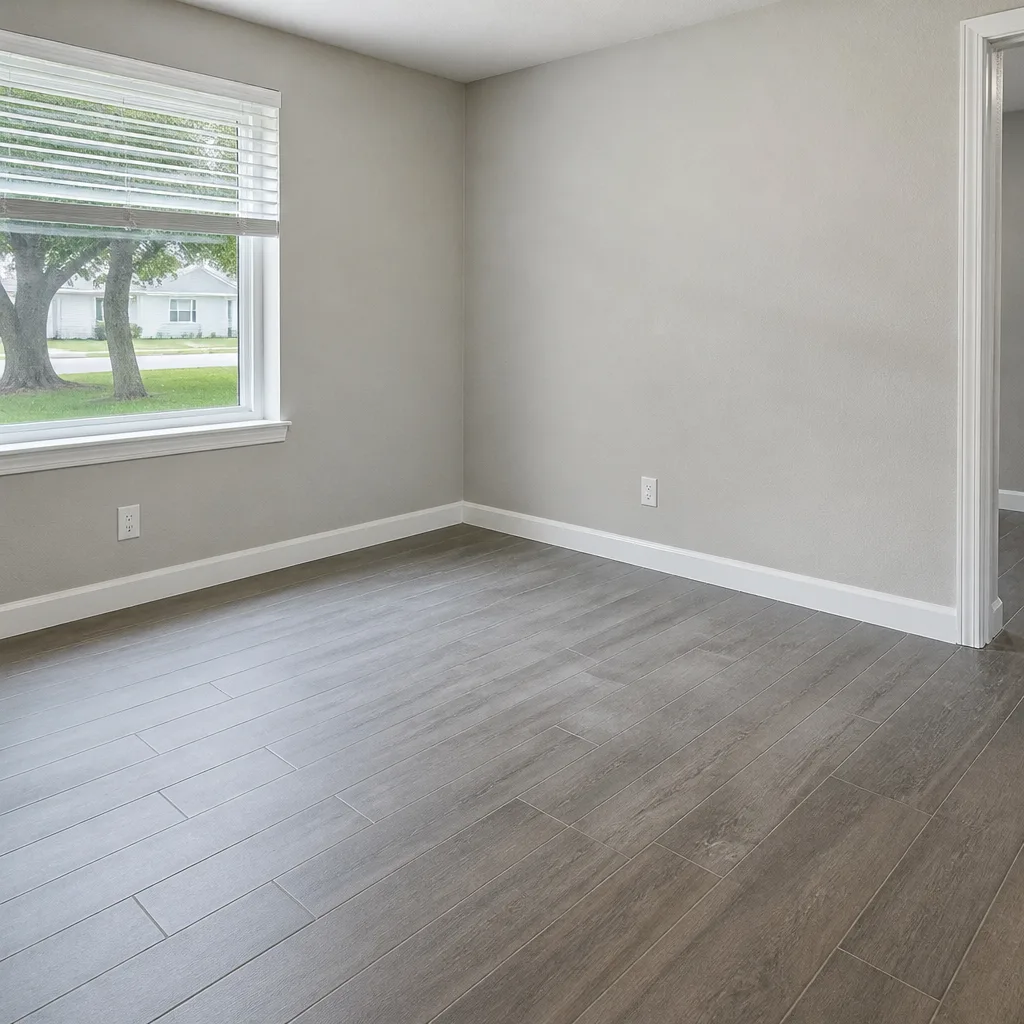 After
After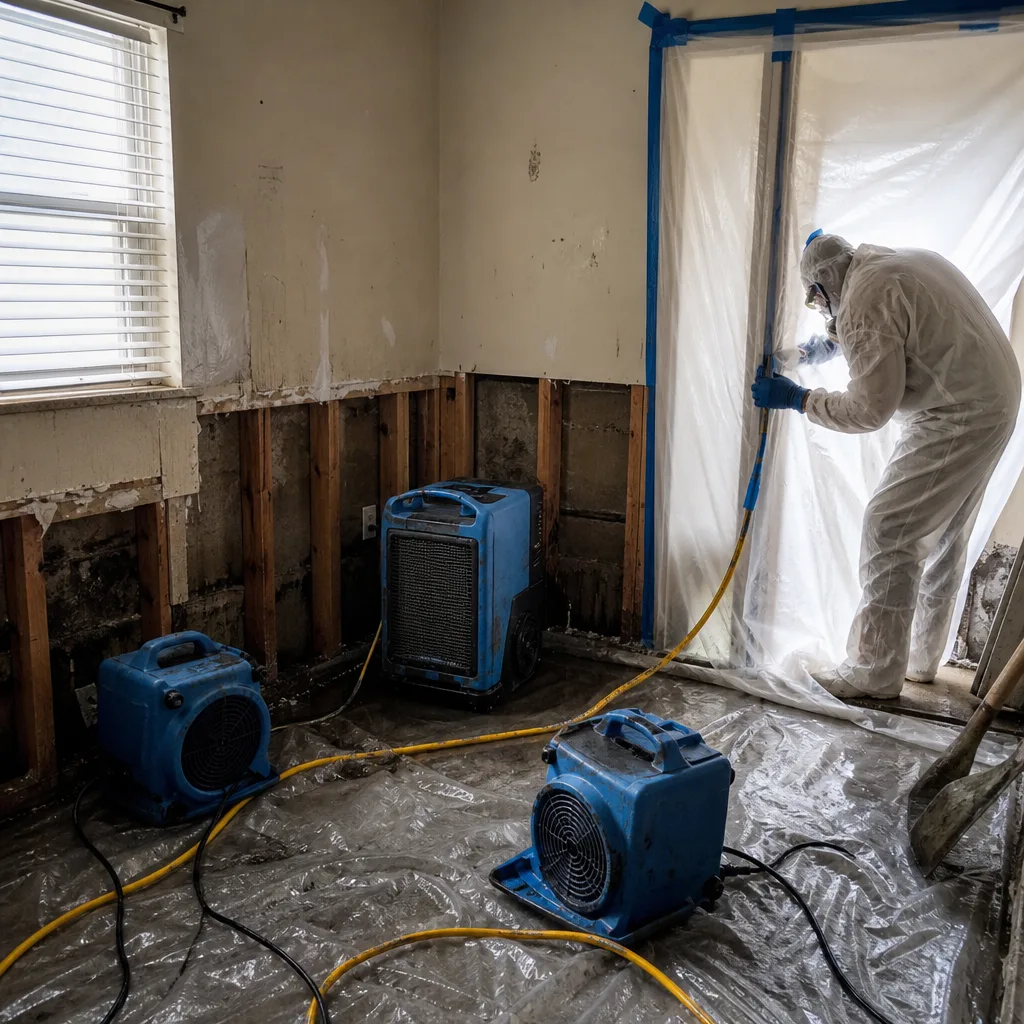 Before
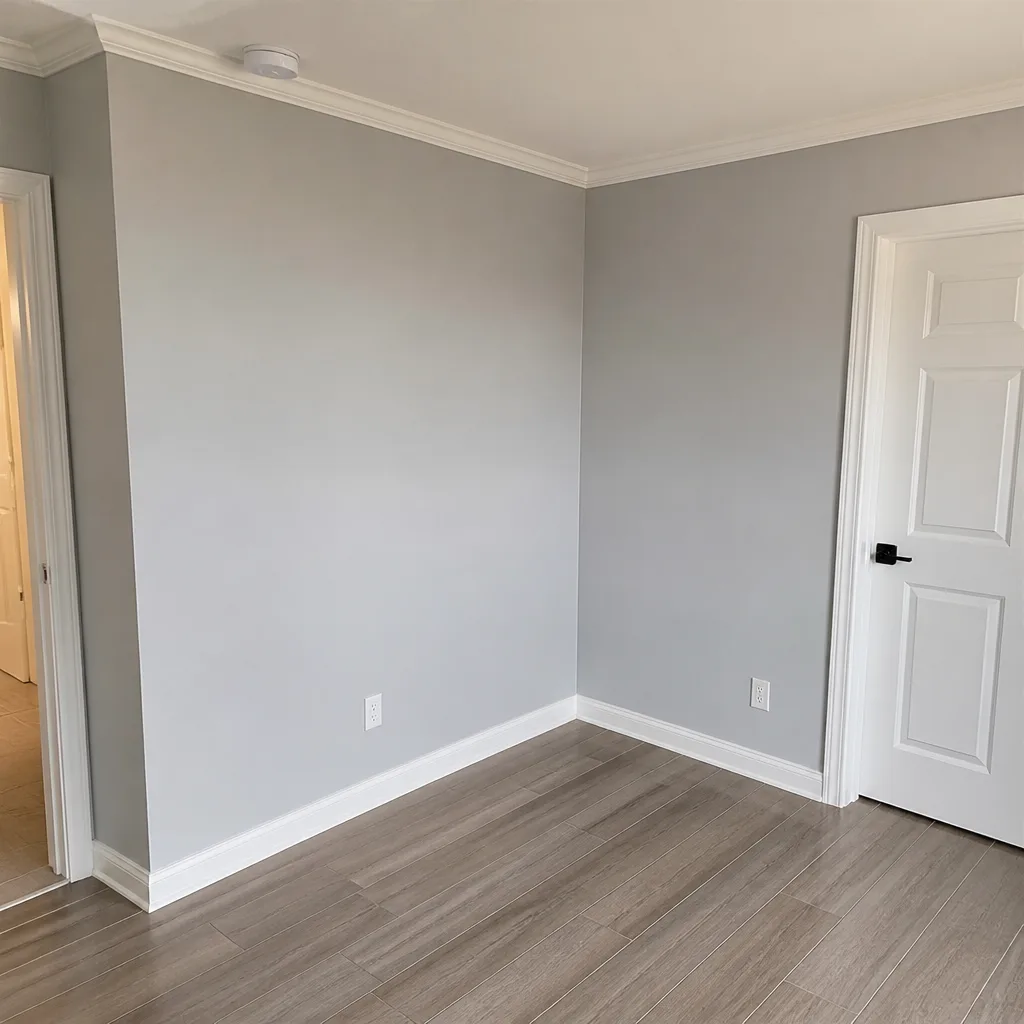 After
After