
Last updated October 16, 2026
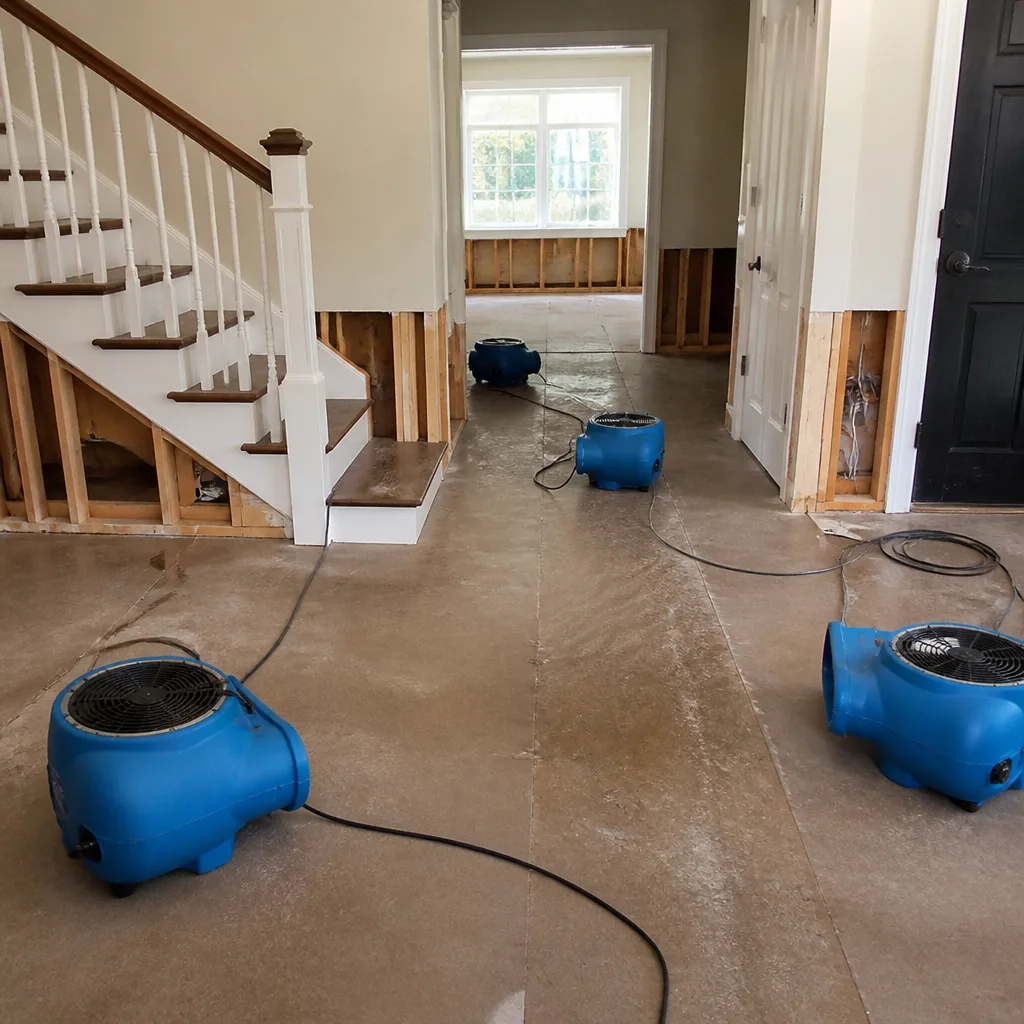 Water damage drying
 Fire & smoke cleanup
 Mold remediation
 Storm response
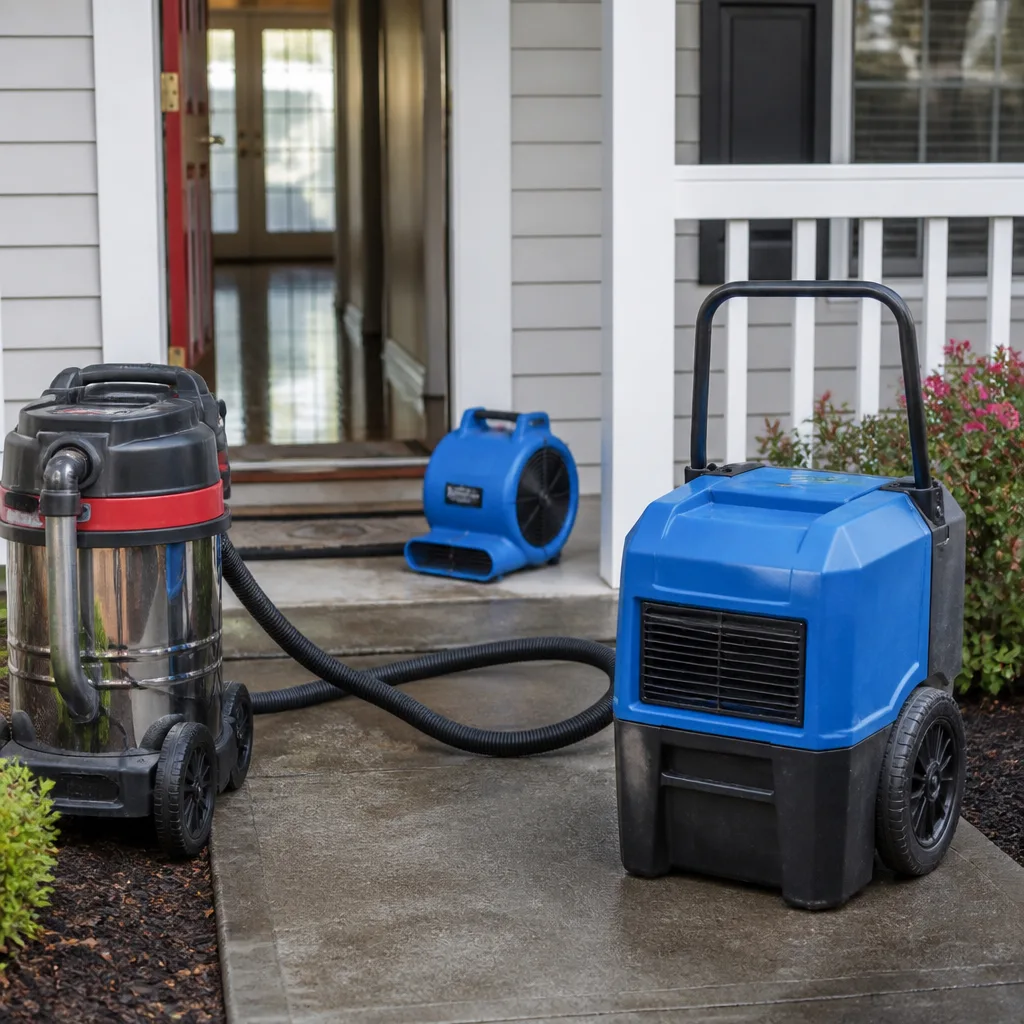 Sewage cleanup
 Reconstruction
Free visual inspection and a written scope of work before any mitigation begins - photos, moisture readings, and drying logs go in your claim file
The scope we write is the scope we bill. Anything new gets shown to you, in writing, before we touch it.
Get your free estimateHow to Hire a Damage Restoration Contractor in Orlando: A Step-by-Step Guide
Florida’s Department of Business and Professional Regulation logs contractor complaints, and water damage and restoration consistently sits in the top five categories every single year. The most common complaint isn’t price gouging. It’s unlicensed work performed during the window when homeowners were too overwhelmed to check credentials. The hire happens in the first hour, while water is still spreading through the drywall in Orlando. The regret comes six months later, when the mold shows up behind the baseboards and the contractor’s phone number no longer works. This guide walks you through the exact vetting process we’d want our own families to use before anyone crosses the threshold, and you can find more guides & resources on our blog.
Quick Answer
To hire a damage restoration contractor in Orlando, verify their Florida DBPR license online before signing anything, confirm IICRC certification plus proof of workers’ comp and liability insurance, require a written scope of work with an itemized price before any equipment enters your home, and never pay more than 10% upfront. A reputable Orlando restoration company will answer 24/7, send a photo-badged technician whose name you know before arrival, and put every guarantee in writing.
Restoration work we handle
Table of Contents
- Step 1: Verify the Florida License First
- Step 2: Check Credentials Beyond the Basics
- Step 3: Require Three Documents Before Work Starts
- Step 4: Spot Orlando Storm-Chaser Red Flags
- Step 5: Structure a Payment Schedule That Protects You
- Step 6: Ask About Equipment Before They Arrive
- Step 7: Know What the Guarantee Actually Means
Step 1: Verify the Florida License First
This takes 90 seconds and eliminates more bad actors than every other step combined. Florida DBPR requires water damage restoration contractors performing structural repairs to hold a state contractor’s license. The license lookup is public and free at myfloridalicense.com, and it works on a phone while the crew waits in the driveway. You type in the company name or the individual’s name, and the database shows license status, any complaints, and whether the license is active or expired.
- Go to myfloridalicense.com (the official DBPR portal, not a third-party site).
- Click “Verify a License” and search by company name or individual name.
- Check that the status reads “Active” and not “Delinquent” or “Revoked.”
- Look at the complaint history. A single resolved complaint isn’t automatically disqualifying, but three or more should be.
- Match the license holder’s name to the person who will actually be running the job.
In our experience, the Orlando market has a particular problem with companies that hold a valid license under one name but operate under a second DBA that isn’t registered. Ask for the exact legal entity name on the license and compare it to the name on the contract. If they don’t match, walk away. A licensed, insured Orlando restoration company will volunteer this information without hesitation. Anyone who deflects or says “we’re working under a different name temporarily” is telling you something important.
Also verify the specialty. A Florida contractor license is issued by category. A general contractor license is not the same as a mold remediation license, which Florida requires. If you’re dealing with mold, ask specifically whether they hold a Florida mold remediator license through DBPR. Many water restoration companies in Orlando don’t, and that matters if the job scope expands from water extraction to mold removal. The license you check at the door needs to cover the work that will actually be done. The Water Damage Restoration in Orlando landscape includes plenty of legitimate operators. It also includes enough unlicensed ones that this first step is non-negotiable.
Step 2: Check Credentials Beyond the Basics
IICRC certification is the floor, not the ceiling. The Institute of Inspection, Cleaning and Restoration Certification sets the industry standard, and their S500 water damage restoration standard is the reference document for proper drying procedures. But here’s what most Orlando guides won’t tell you: an IICRC certificate hanging in the office tells you nothing about the actual person who will walk through your door. You need to ask three questions that go beyond the wall plaque.
First, ask which specific technician will be assigned to the job and whether that person holds IICRC certification, not just the company owner. A company can have one certified tech on payroll and send uncertified crews to most jobs. Get it in writing.
Second, ask about liability insurance limits. Florida restoration work often involves water extraction that can damage flooring, baseboards, and subfloor. If the contractor’s liability coverage is $100,000 and the repair cost on a botched job runs $180,000, you’re the one holding the gap. Ask for a certificate of insurance with the company and your name listed as the certificate holder. This should arrive by email before the crew arrives and confirms coverage is active, not expired.
Third, ask about subcontractors, and ask it directly. Many Orlando restoration companies sub out demolition, drywall, and flooring to crews they don’t employ. That’s not automatically a problem, but it means you need proof of workers’ comp for those individuals as well. If a subcontracted laborer gets injured on your property and doesn’t have workers’ comp, you can be drawn into a claim against your own homeowner’s insurance. Ask the contractor to disclose in writing whether any portion of the job will be subcontracted and to provide workers’ comp certificates for every person who enters your home.
This matters more in Orlando than in some other markets because the post-hurricane labor pool expands rapidly with out-of-state crews. Those crews can be excellent, but verifying their coverage is on you unless the restoration company does it proactively. At Marsh Water Damage Orlando, every technician is background-checked, identity-verified, and sent to the customer by name and photo before arrival. The same standard applies to any subcontractor we’d ever use. That’s not marketing language; it’s the operational floor for letting a stranger into your home.
Step 3: Require Three Documents Before Work Starts
Water spreads. That’s the entire business model of water damage, and it’s also the reason restoration work has a reputation for price escalation: the contractor pulls off baseboards, finds more damage, and the original number becomes a memory. The fix is not to avoid demolition or hope for the best. The fix is to require a specific set of written documents before a single fan plugs in. A reputable contractor will produce all three without argument.
- A written scope of work. This is a document that specifies exactly what will be done: which rooms get extraction, which drywall sections get removed, what drying equipment gets placed where, and what the moisture readings need to be before equipment comes out. A vague scope (“dry affected areas”) is how invoices grow later. A specific scope gives you a reference point when the crew starts doing something outside it. You agree to changes in writing, with an updated price, before the additional work happens.
- An itemized price. This is the line-by-line breakdown: extraction hours, equipment count and type, drying days, demolition square footage, disposal fees, and any subcontracted labor. A lump-sum “we’ll handle it for $8,500” tells you nothing and leaves too much room for dispute. The itemized price is what lets you compare one Orlando contractor against another apples-to-apples. It also makes the invoice review straightforward when it’s time to pay.
- Proof of workers’ comp coverage. This is coverage for the people doing the physical work, not liability coverage for the company. Florida law requires workers’ comp for restoration companies above certain employee counts, but subcontractors often fall through the cracks. If you don’t see it, ask. If they can’t produce it, the risk transfers to you and your homeowner’s insurance.
A written price before any work starts is a non-negotiable at our company. It’s printed on the work order we hand you before equipment moves into the house. And if something isn’t right within a full year, the Marsh Water Damage Orlando home team makes it right. That’s the 365-Day Done Right Promise, and it’s part of what you should expect from any Orlando restoration contractor you hire.
Step 4: Spot Orlando Storm-Chaser Red Flags
Orlando sits in the path of Atlantic hurricane seasons, and the days following a named storm are when the worst contractors show up. For year-round preparation tips, see our Seasonal Damage Restoration Care for Orlando: Year-Round Homeowner’s Guide. They drive in from out of state, rent equipment by the day, knock on doors in the hardest-hit neighborhoods, and leave town before the insurance supplement process plays out. But homeowners can filter them out in minutes if they know what to look for. The warning signs are specific and they show up early.
- Door-to-door solicitation within 48 hours of a storm. Florida has strict rules about this, and reputable local companies don’t need to pound pavement after a hurricane. They’re already known in the community and busy handling existing customers. A stranger with a clipboard at your door two days after the wind stops is a red flag. Ask for a physical business address in Orlando, not a P.O. box or an out-of-state mobile number.
- Requests to sign an Assignment of Benefits immediately. An AOB is a Florida-specific legal tool that transfers your insurance claim rights to the contractor. It can be legitimate, but an AOB signed under time pressure gives the contractor control over your claim and often leads to inflated invoices, litigation, and delayed repairs. A reputable company will explain what an AOB is, advise you to read it carefully, and never pressure you to sign on the spot. Ask the contractor whether they will do the job without an AOB. If they refuse and you feel rushed, find someone else.
- Refusal to provide a written estimate. This is the simplest filter of all. Any contractor who says “we’ll figure it out once we start” or “insurance will handle it, don’t worry about the price” is not protecting you. The estimate needs to exist in writing before work starts. No exceptions. A verbal estimate is not an estimate. It’s a warmup before the upcharge.
- Pressure to pay for the entire job before completion. Pushback against a standard payment schedule is a sign that the contractor has cash-flow problems or plans to leave before the work is done. Neither is your problem to solve. Walk away and call the next name on your list.
What makes these red flags dangerous in Orlando specifically is the overlap with legitimate storm work. A National Flood Insurance Program claim or a standard homeowner’s policy claim after a hurricane is normal and manageable. But it requires patience, documentation, and a contractor willing to work with your adjuster, not around them. The companies that drive in after hurricanes are often gone before the adjuster even schedules a visit. That leaves you with incomplete repairs and an insurance claim that’s harder to close. In our experience, the best Orlando restoration companies are the ones that will hand you their own photo documentation and let you share it directly with the adjuster. If a contractor won’t document, they have something to hide.
Step 5: Structure a Payment Schedule That Protects You
You do not need to pay 50% upfront. Almost no legitimate restoration job in Orlando requires that, and a contractor who insists on it is telling you they don’t have the working capital to float the job, which means any hiccup becomes your problem. The purpose of a payment schedule is to align incentives: the contractor has a strong reason to finish the job correctly, and you have a strong reason to pay when the work is done. Here’s the structure that works for both sides.
- Upfront deposit: 10% or less. This is a good-faith payment that covers mobilization: scheduling, paperwork, equipment reservation. It should never exceed 10% of the written scope of work. Some reputable companies in Orlando don’t require any deposit for standard insurance-backed restoration jobs. If the contractor asks for 40% or 50% before a fan arrives, say no.
- Progress payment: tied to a milestone. The next payment should correspond to a defined benchmark, not a date. For example: “50% of the job when moisture readings confirm the structure is dry and demolition is complete.” The milestone is written into the construction agreement and verified by documentation, not by the contractor’s word.
- Final payment: after a walkthrough and written acceptance. You walk the property with the contractor, confirm the work matches the scope, and sign a completion statement. Only then does the final payment release. If something isn’t right, you document it in writing and payment is held until it’s fixed.
This is the same structure we use at Marsh Water Damage Orlando, and it protects both parties. When you write the schedule into the contract, you also signal to the contractor that you’re the kind of customer who reads what they sign. That changes the dynamic from the first day. And don’t let the contractor tell you that your insurance company will “handle payments later.” Your insurance company pays you, and you pay the contractor. If anyone suggests otherwise, verify it with your adjuster before you sign anything. The Storm Damage Restoration in Orlando market has enough legitimate options that you never need to accept a payment structure that makes you uncomfortable.
Step 6: Ask About Equipment Before They Arrive
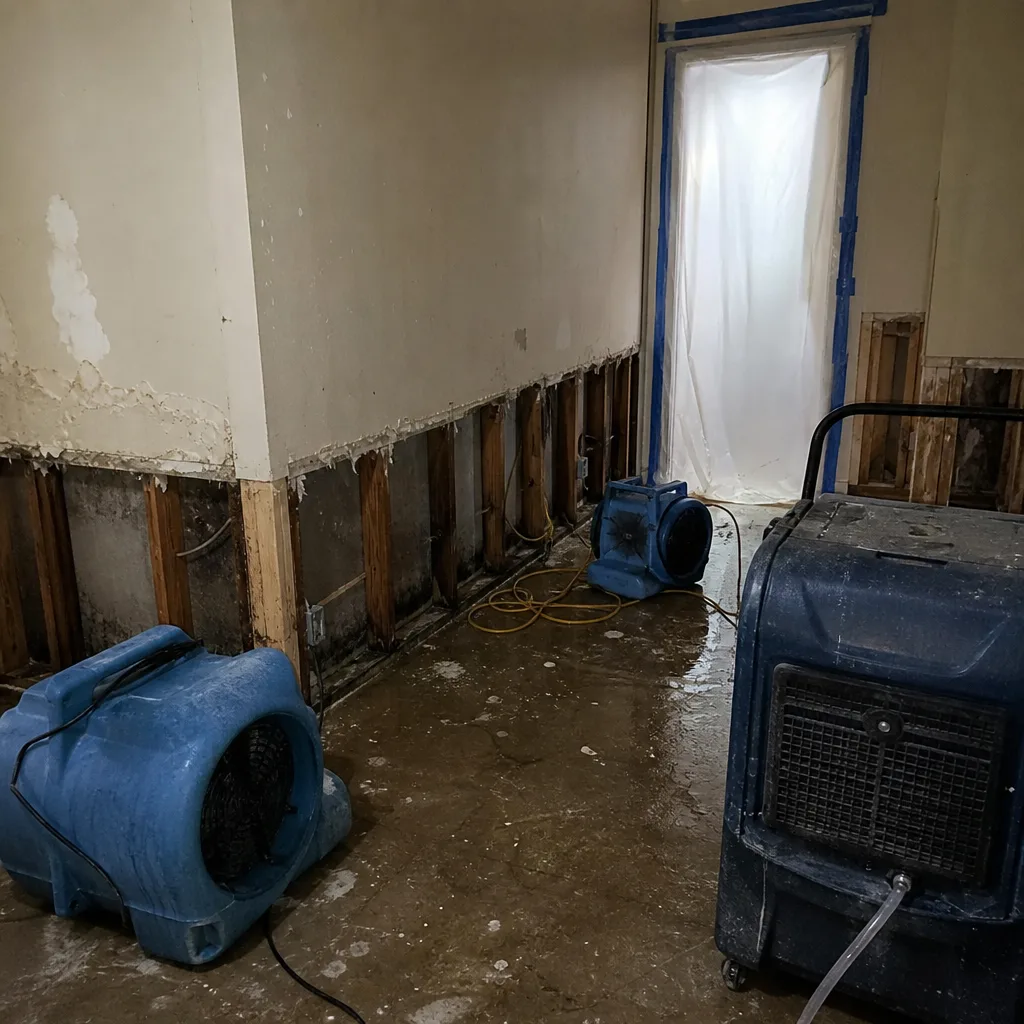
Restoration equipment is not interchangeable. The difference between a $400 dehumidifier from a big-box store and a $2,800 Dri-Eaz or Phoenix commercial dehumidifier is the difference between drying a wall in three days and drying it in eight, and every extra day with moisture in the structure increases the odds that mold colonizes behind the drywall. Before you sign, ask the contractor two equipment questions.
First, ask what brand and class of dehumidifier they’ll install. Commercial-grade units pull 130 to 160 pints of water per day at AHAM conditions. Residential units pull 30 to 50. If the contractor can’t tell you what AHAM rating their units carry, they’re probably not using professional equipment. Look for Dri-Eaz, Phoenix, or B-Air with the specs available. We run Dri-Eaz and Phoenix units as a matter of course, alongside XPOWER air movers and Injectidry mat systems for hardwood floors. The equipment matters because it determines drying time, and drying time determines whether we get to a clean, dry structure or a mold problem next month.
Second, ask about psychrometric monitoring. This is the process of measuring temperature, relative humidity, and moisture content in the air and inside materials, and using those numbers to determine when the structure is genuinely dry, not just dry on the surface. A contractor who sets fans and leaves without daily moisture readings is guessing. A contractor who documents daily readings and explains them to you is running a professional drying job. We record psychrometric readings at every visit and you get the log. That’s what proper drying looks like, and it’s what protects you from a drywall patch hiding a wet cavity behind it.
The equipment question also works as a filter for company quality. Ask a contractor what dehumidifier brand they use, and watch the answer. If they say “whatever we have on the truck,” that’s your signal. Professional Orlando restoration companies use professional gear, and they’ll tell you the brand name because they know it’s a point of pride. The same equipment that dries a commercial office building in downtown Orlando is what should be drying your living room.
Step 7: Know What the Guarantee Actually Means
Every restoration company says they guarantee their work. Very few put it in writing with a specific duration and a specific remedy. The difference matters, and in Orlando, it matters with mold. A water extraction job that isn’t fully dry will show mold within a few months, and that’s when you find out whether the guarantee was real or a sentence on the website footer.
A real guarantee answers three questions. How long does it cover the work? One year is the standard for structural repairs, and it should be explicit, not implied. What exactly is covered? The guarantee should list what’s included: drywall replacement, flooring, baseboards, paint, and any other repairs the company performed. It should also state that if the drying was incomplete and mold appears as a result, the company will return at no charge. What happens if something goes wrong? This is the remedy clause. It should say the company will return, inspect, and fix the issue at no additional cost. Not “we’ll review your case.” We’ll send the crew back.
Our standard is the 365-Day Done Right Promise: if the repair we performed is not right within a full year, we come back and make it right, and the second visit is free. That includes the drying, the demo, and the rebuild. It’s printed on the work order, not just quoted in a brochure. It’s time-stamped and documented. If a contractor’s guarantee is verbal, assume it doesn’t exist.
This section exists because guarantees are where the Orlando restoration market separates. The companies that will still be in business next year are the ones that put the terms in writing. The ones that fold after the first bad review or the first insurance supplement dispute are the ones that never intended to be called back. When a company has been in business since 2005 under the Threshold Group family, as we have, a 365-day guarantee is not a marketing decision. It’s a structural commitment to the work, and our technicians carry it on every job.
Common Mistakes to Avoid
- Hiring the first company that shows up. Water on the floor does not remove your right to check a license, and the 90 seconds it takes to verify DBPR can save you six figures in repair costs. Every legitimate Orlando restoration company expects you to check.
- Signing an Assignment of Benefits without reading it. Florida AOBs can transfer control of your insurance claim to a contractor you’ve just met. Read every line, ask what happens if you decline, and never sign under time pressure. A reputable company will handle the job without an AOB if you prefer.
- Paying the full job up front. No legitimate restoration contractor needs 100% payment before work starts. If they do, they’re either undercapitalized or about to disappear. Pay in milestones with a 10% maximum deposit.
- Ignoring the moisture readings. A contractor who won’t share daily psychrometric data is guessing at whether your house is dry. Guessing leads to hidden mold, and hidden mold leads to a second restoration job you didn’t budget for.
- Skipping the written scope of work. Verbal agreements are unenforceable and unremembered. Write down what’s being done, which rooms are included, and what “done” means. If the scope changes mid-job, the price changes in writing too, and you agree before it happens.
- Choosing the lowest bid. In Orlando restoration, the lowest bid is often a company that skipped insurance, skips workers’ comp, or plans to cut corners on drying equipment. The cheapest contractor can end up being the most expensive one by the time you’re paying for re-work and mold remediation.
- Not documenting the damage before work begins. Take photos before, during, and after. It’s your evidence for the insurance claim and your record of the original condition. A contractor who discourages documentation is not protecting you.
See the difference
 Before
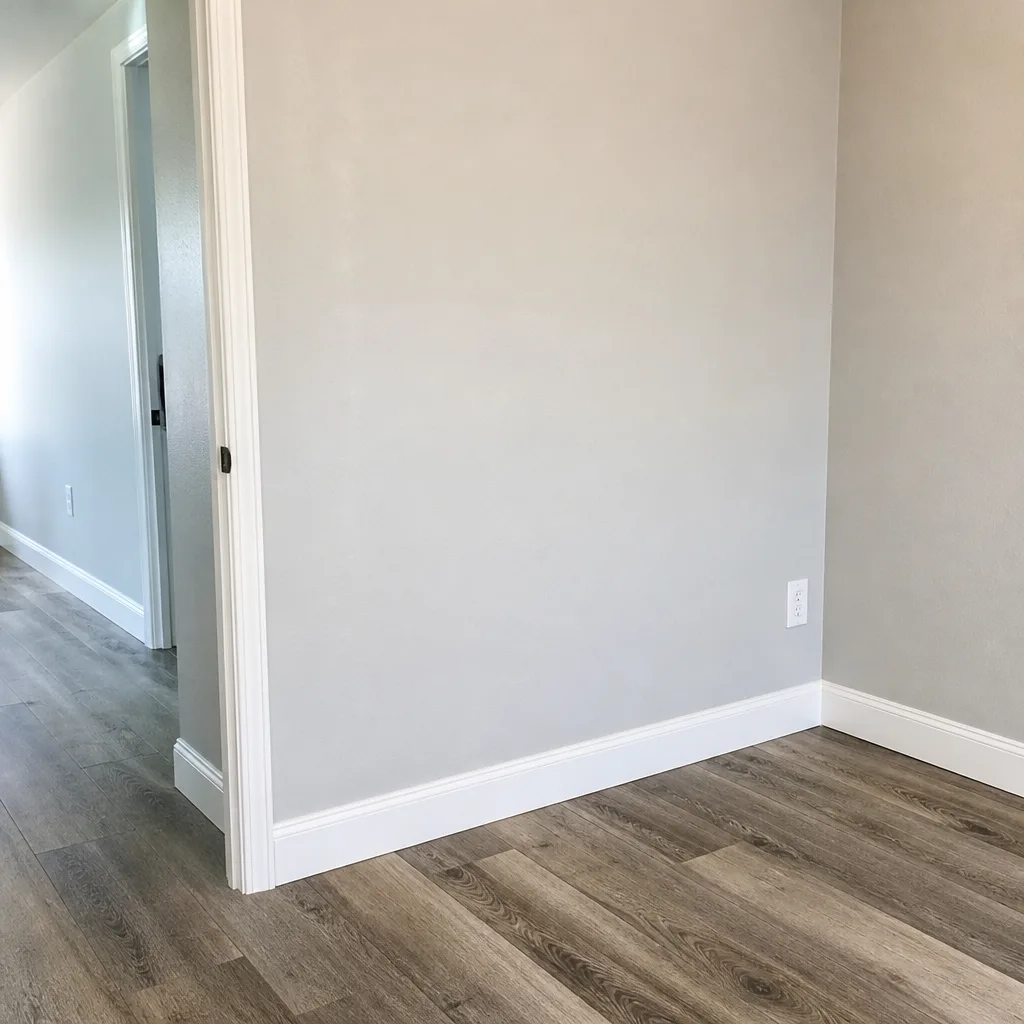 After
After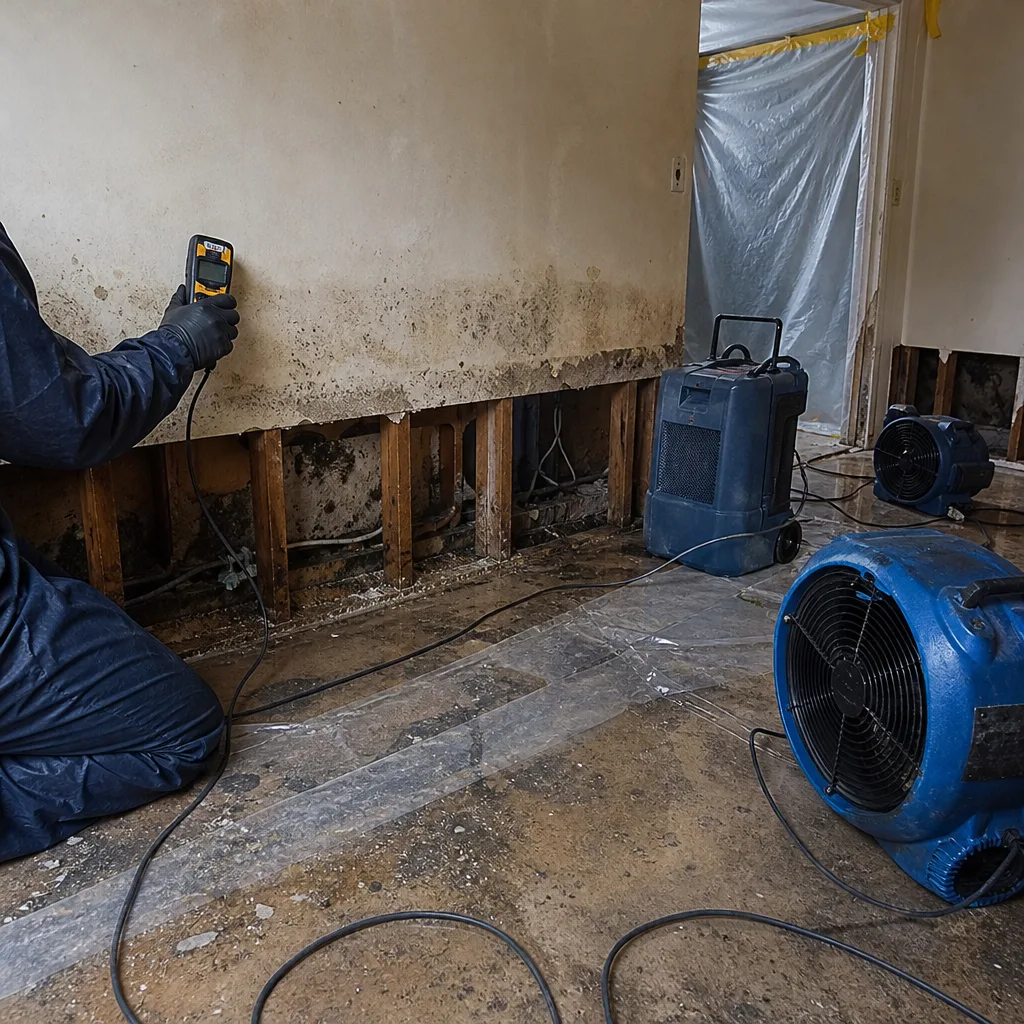 Before
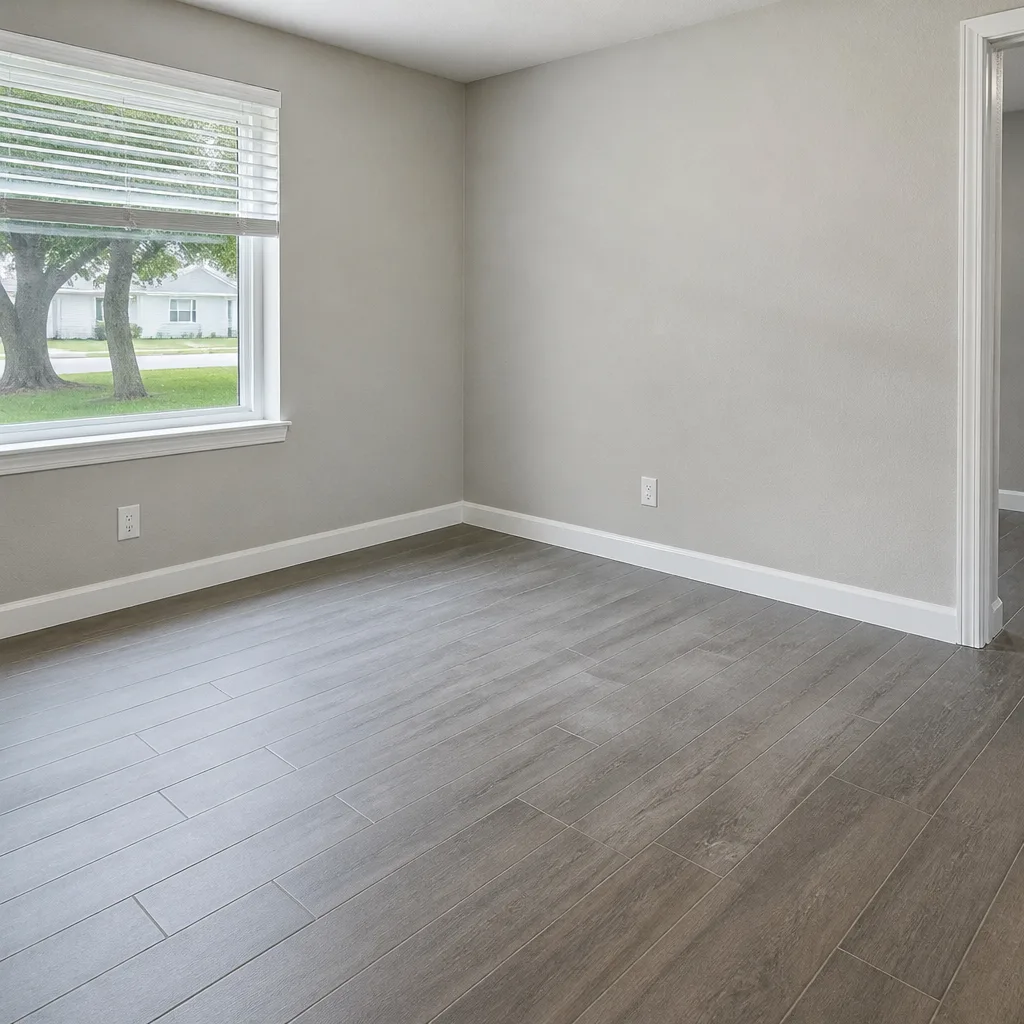 After
After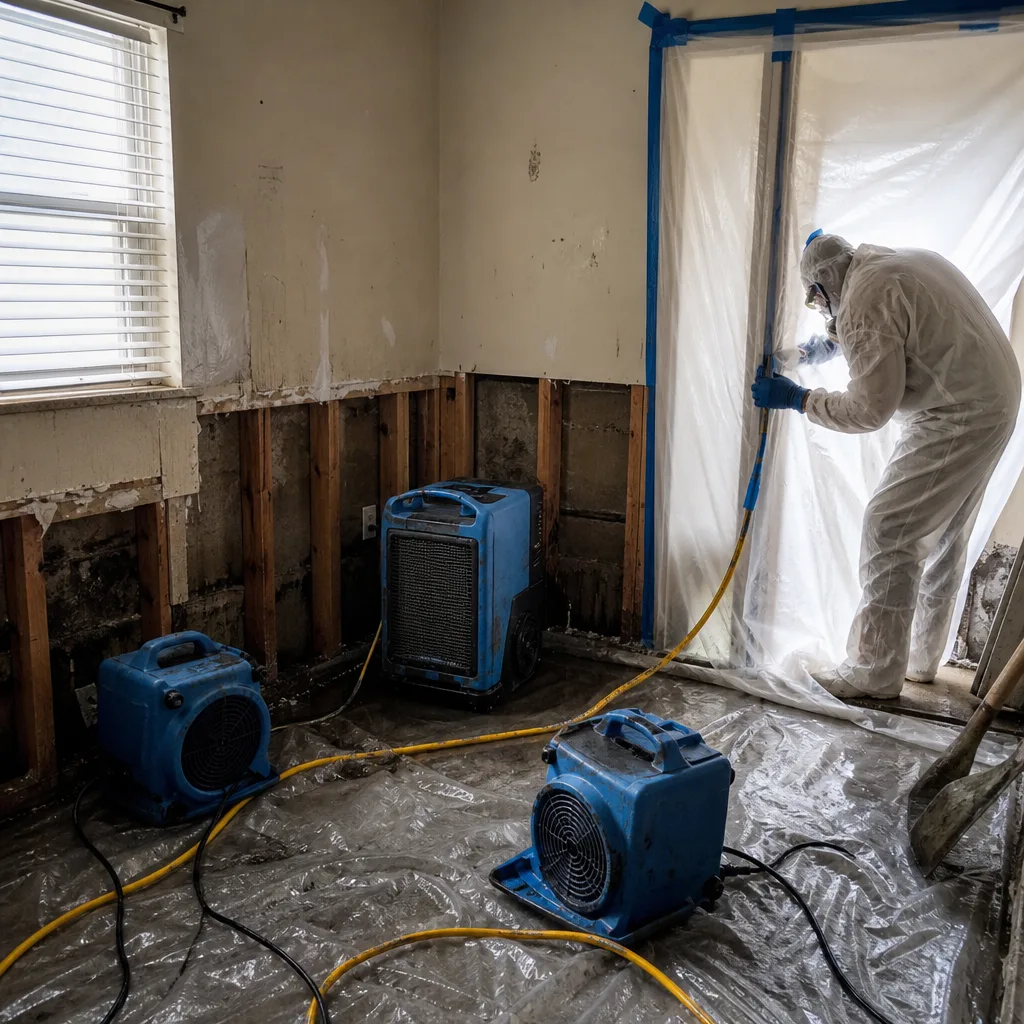 Before
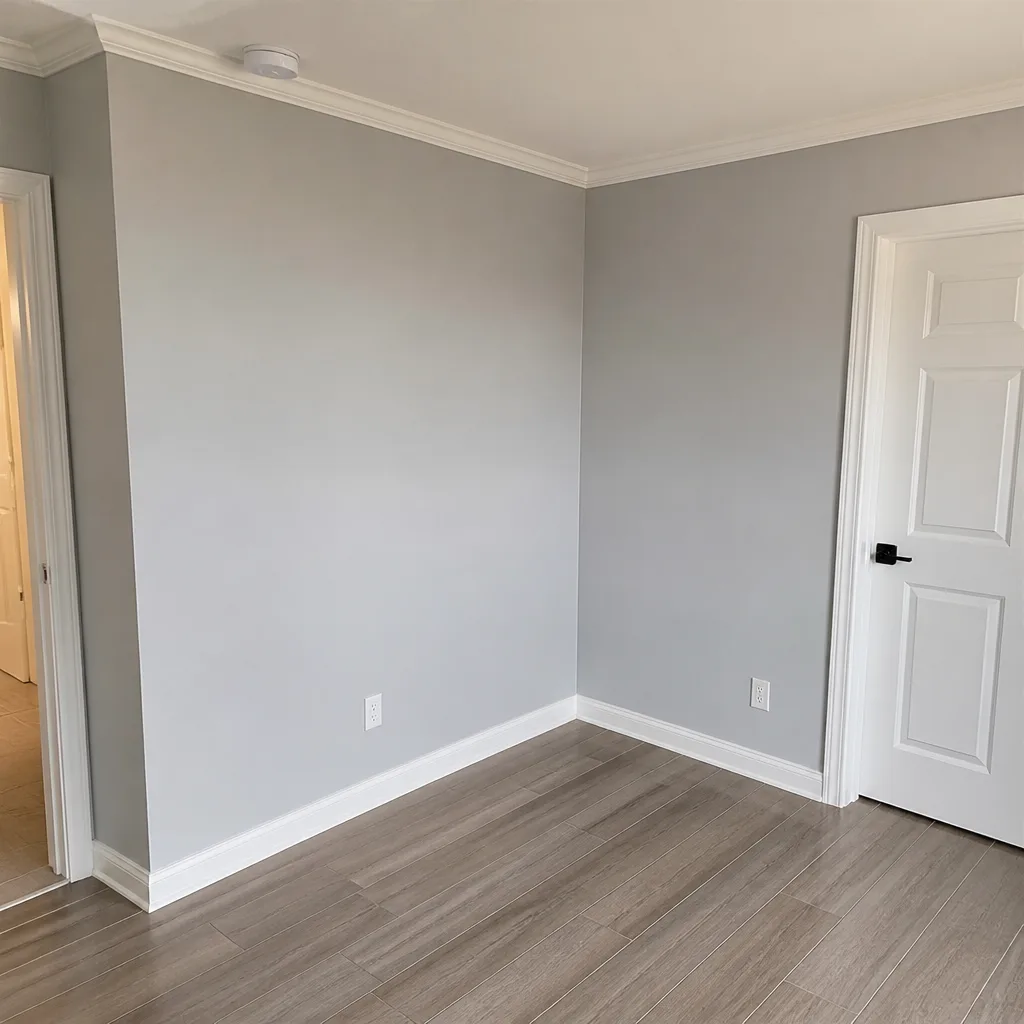 After
AfterWhen to Call a Professional
Water damage does not wait, and neither should you. Call a professional the moment you see standing water that extends beyond a single room, hear water running behind walls, smell a musty odor that wasn’t there before, or notice any ceiling staining or sagging drywall in an Orlando home after a storm. The same applies to visible mold growth, persistent dampness in a bathroom or kitchen, or any water intrusion that involves sewage or floodwater, which carries bacteria that require professional extraction and sanitization. Marsh Water Damage Orlando offers free estimates in Orlando, and a live person answers the phone 24/7, including holidays. Call (850) 446-8938 and we’ll walk you through the next step while the water is still spreading, not after it’s had time to cause more damage.
Frequently Asked Questions
Go to myfloridalicense.com, click “Verify a License,” search by company or individual name, and confirm the status reads “Active” with no significant complaint history. The entire process takes under 90 seconds and should be done before you sign any contract or allow any crew into your Orlando home.
IICRC certification is the baseline floor, and you should ask which specific technician holds it, not just the company owner. Beyond IICRC, ask for proof of liability insurance, workers’ comp coverage, and a Florida mold remediation license if the job involves mold. RIA and IFA credentials are additional signals of ongoing professional development. The team at Marsh Water Damage Orlando holds IICRC, RIA, and IFA credentials, and we’ll show you the documentation without being asked twice.
No more than 10% of the written scope of work as a mobilization deposit, followed by milestone-based progress payments tied to documented benchmarks like confirmed dry readings, and a final payment only after a signed completion walkthrough. Any contractor demanding 40% or more before equipment is on-site should be replaced with the next name on your list.
Most standard Florida homeowner’s policies cover sudden and accidental water damage, such as a burst pipe, but not gradual leaks or flooding from rising groundwater, which requires separate flood insurance. Your restoration contractor should provide photo documentation and be willing to work directly with your adjuster. We document every job and share the evidence directly with your insurance company, so the claim moves forward while the drying is underway. Call (850) 446-8938 and we’ll walk you through what your policy is likely to cover.
A live person answers our phones 24 hours a day, 7 days a week, and we dispatch crews to Orlando homes the same day you call, because every hour of standing water increases the damage and the repair cost. The goal is equipment on-site within hours, not days, and our technicians arrive with photo badges, uniforms, and the name and photo you received before they showed up. That’s the Mold Remediation in Orlando standard for any water event that might lead to fungal growth.
Not if you hire a full-service restoration company that holds Florida mold remediation licensing and performs both water extraction and mold remediation under one scope of work. This keeps the documentation consistent, avoids finger-pointing between contractors, and ensures the drying work meets the same standard as the remediation. Ask whether the company handles both before you hire, because hiring a water-only company and then a separate mold company creates gaps in responsibility if something fails.
The Bottom Line
Hiring a damage restoration contractor in Orlando is a trust decision made under stress, and the homeowners who fare best are the ones who slow down the signature long enough to verify five things covered in The Complete Guide to Damage Restoration in Orlando:: a Florida DBPR license, IICRC certification on the actual technician, proof of workers’ comp and liability insurance, a written scope with an itemized price, and a payment schedule that doesn’t require more than 10% upfront. Add the Orlando-specific filters: no door-to-door solicitation after a storm, no AOB under pressure, and no refusal to hand over a written estimate. Do all that, and the contractor who passes is the one worth letting through the door. You wouldn’t hand a stranger your keys without checking who they are. The same standard applies to the person holding the moisture meter.
Written by Tobias Reyner, Owner at Marsh Water Damage Orlando, serving Orlando since 2005.