
Last updated October 16, 2026
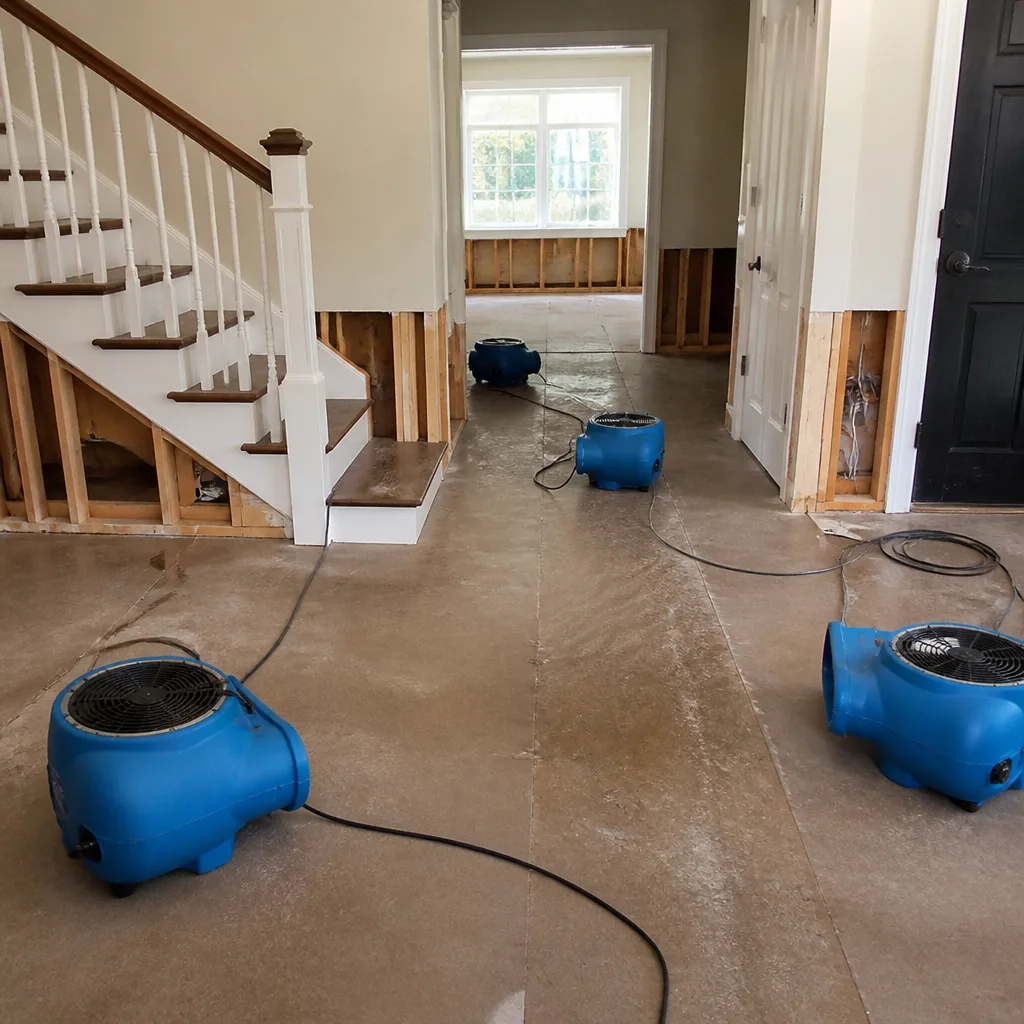 Water damage drying
 Fire & smoke cleanup
 Mold remediation
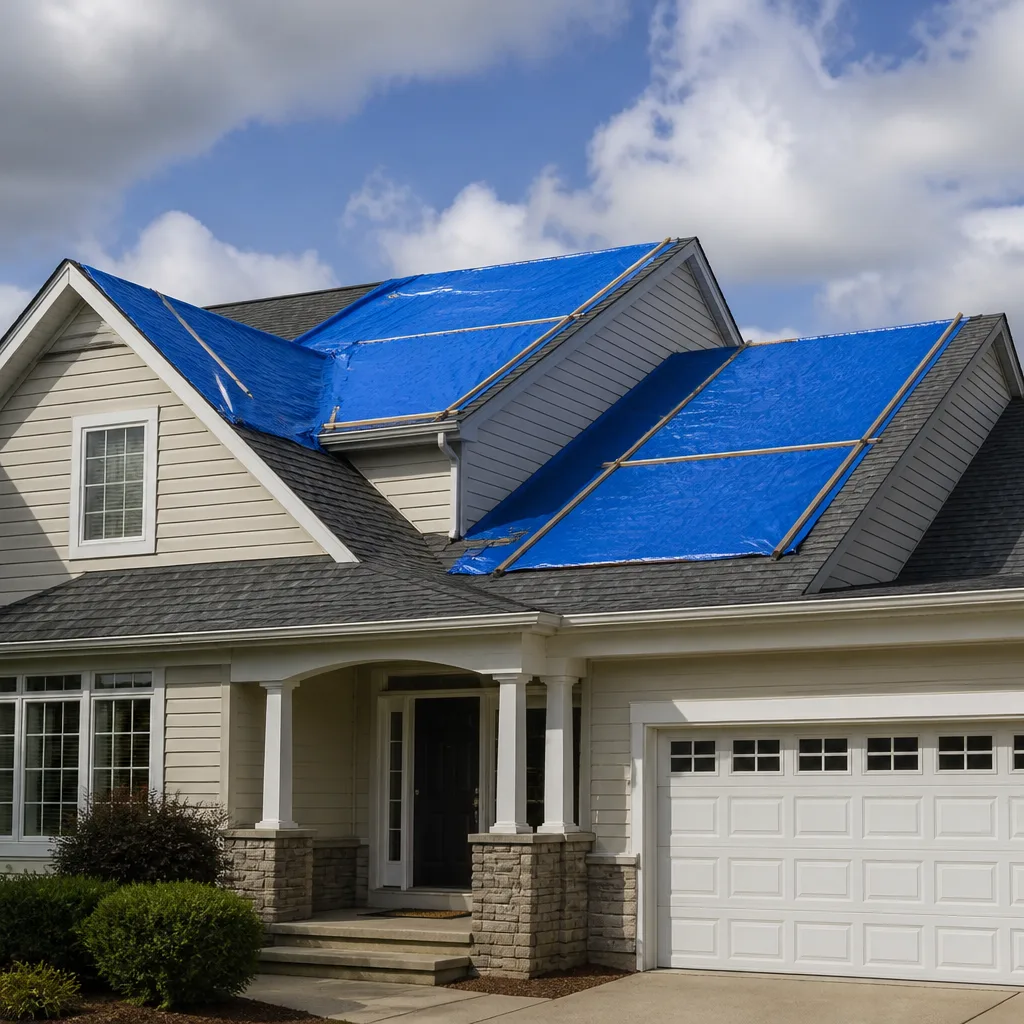 Storm response
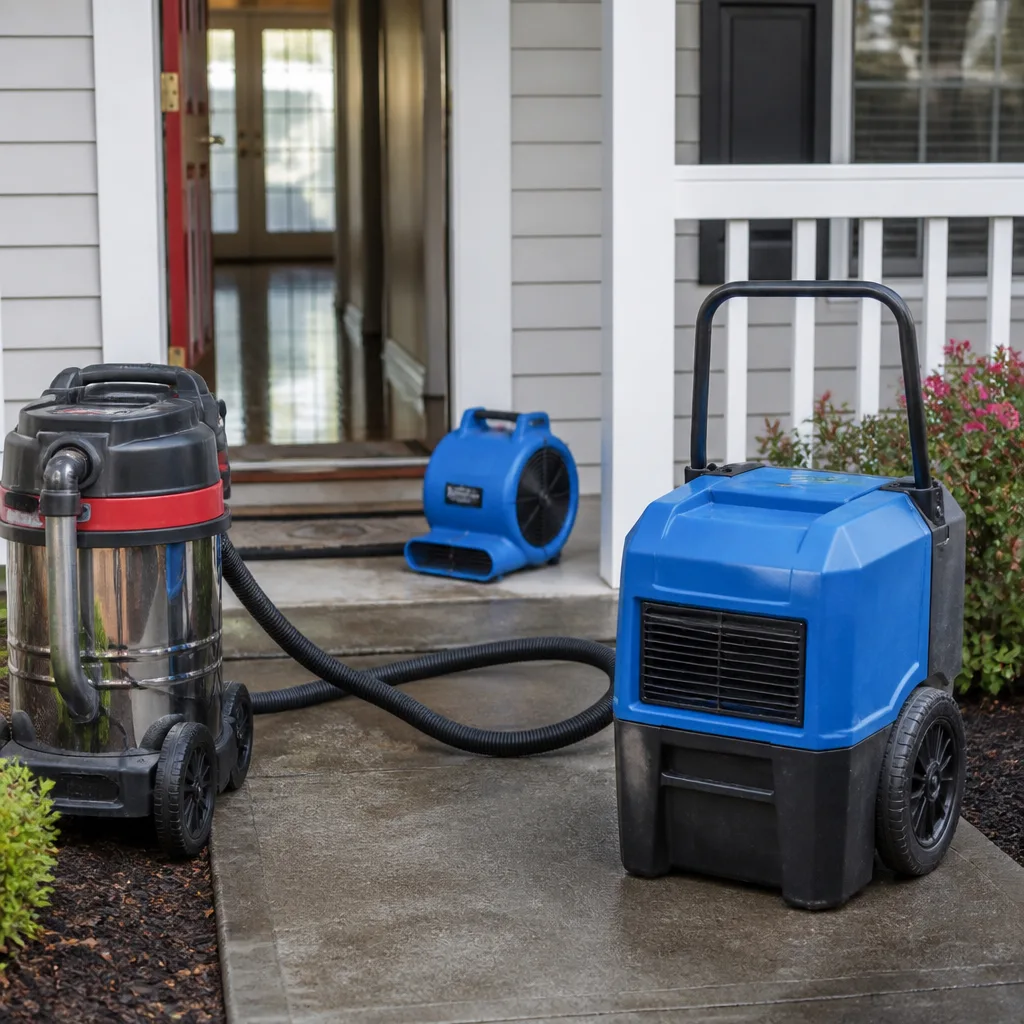 Sewage cleanup
 Reconstruction
Free visual inspection and a written scope of work before any mitigation begins - photos, moisture readings, and drying logs go in your claim file
The scope we write is the scope we bill. Anything new gets shown to you, in writing, before we touch it.
Get your free estimateThe Complete Guide to Damage Restoration in Orlando
The average Orlando home sits at 60 to 70 percent indoor relative humidity without active dehumidification. That number matters more than most homeowners realize. A room that looks dry, feels dry to the touch, and passes a quick visual check can still hold enough trapped moisture to grow mold within 72 hours. Most more guides & resources never mention this. This one starts there, because in Orlando, the air itself is working against you long after the standing water is gone. You’ll learn exactly how restoration works in this climate, what each stage should cost, who you’re actually inviting through your door, and how to keep an insurance claim from being closed before the structure is genuinely dry.
Restoration work we handle
Quick Answer
Damage restoration in Orlando is the process of extracting water, drying the structure to a measurable standard, removing unsalvageable materials, and rebuilding what was torn out. In this climate, drying takes longer than national averages because ambient humidity stays high year-round, which means professional dehumidification is not optional, it’s the whole job. For detailed figures, see our Damage Restoration Cost Breakdown: The Orlando Homeowner’s Reference for 2026; expect water extraction to start around $1,200 to $4,500 for a typical room-loss, with full restoration running anywhere from $3,000 to $15,000 depending on how far the water traveled and how long it sat.
Table of Contents
- Why Orlando’s Humidity Changes Everything About Drying
- The Four Types of Contractors You’ll Meet After a Storm
- Assignment of Benefits: The Document You Should Not Sign at the Door
- The Stage-by-Stage Timeline: Extraction to Rebuild
- The Documentation You Need at Every Transition
- What Damage Restoration Actually Costs in Orlando
- Common Mistakes to Avoid
- When to Call a Professional
- Frequently Asked Questions
- The Bottom Line
Why Orlando’s Humidity Changes Everything About Drying
Here’s the number that drives every drying decision in central Florida: Orlando’s outdoor relative humidity averages between 70 and 85 percent for most of the year. The indoor baseline, even in an air-conditioned home, rarely drops below 55 percent. Now consider that mold needs roughly 60 percent relative humidity at the surface of a material to begin colonizing. That margin between “normal Orlando indoor air” and “mold-friendly conditions” is thin on a dry day and nonexistent after a water event.
This is why drying standards written for other parts of the country simply don’t apply here. A restoration crew in Denver can open windows, run fans, and let nature do part of the work. In Orlando, opening a window after a water loss means pulling in air that’s wetter than the air already inside the house. Every gallon of water that evaporates from your drywall into the room has to be mechanically captured by a dehumidifier and removed, or it just settles somewhere else: into the baseboards, behind the vapor barrier, into the subfloor cavities.
Professional restorers use psychrometric readings to track this. Psychrometry is the measurement of moisture in air and materials. Technicians take readings of temperature, relative humidity, and grains of moisture per pound of air, then use those numbers to calculate how fast water is leaving a wet material and how much is being pulled out of the room. These readings are logged daily, in writing, and they become the evidence that a structure is actually dry. In our experience across Orlando neighborhoods from College Park to Conway, a visual check without logged moisture readings is the single biggest predictor that a job will need to be reopened-one of several Damage Restoration Warning Signs: A Orlando Homeowner’s Reference Guide to watch for.
A properly dried structure in Orlando should reach a moisture content below 16 percent in wood and below 10 to 12 percent in drywall, with indoor relative humidity stabilized under 55 percent. Hitting those numbers takes equipment: professional water damage restoration in Orlando requires commercial dehumidifiers from brands like Dri-Eaz and Phoenix, not the units you buy at a hardware store. A residential dehumidifier pulls 30 to 50 pints per day under ideal conditions. A commercial Dri-Eaz unit pulls 130 to 230 pints per day, and it’s built to run continuously for weeks. That difference is the difference between a closed claim and a mold problem in the wall cavity six months later.
The Four Types of Contractors You’ll Meet After a Storm
When a named storm passes through Orlando, or a supply line bursts in the middle of the night, homeowners quickly discover that not everyone who shows up with a truck and a wet/dry vacuum is the same kind of contractor. Knowing the difference before you sign anything protects your house and your claim.
- Licensed restoration contractors. These are companies whose primary business is damage restoration. They carry mold remediation licenses and general contractor licenses as required by Florida law, they maintain insurance, and their technicians typically hold credentials from the IICRC, RIA, or IFA. They can handle the full scope: extraction, drying, demolition, and rebuild. A licensed restorer in Orlando will put a written scope and a written price in front of you before any work begins, and they document moisture readings at every stage.
- General contractors moonlighting as restorers. A licensed GC can legally pull permits and rebuild a kitchen. What many cannot legally do is perform mold assessment or mold remediation, which requires a separate Florida mold-related services license. After a storm, some GCs pivot into water work because the volume is there. They may do excellent rebuild work, but they often lack the drying equipment and psychrometric expertise to get a structure genuinely dry before they start putting it back together. Ask directly: “Do you hold a mold remediation license, and what drying equipment do you run?”
- Out-of-state storm-chasers. After every hurricane, crews from Texas, Louisiana, and the Carolinas drive into Orlando looking for work. Some are legitimate. Many are not licensed in Florida at all, which is a problem the moment something goes wrong. If an out-of-state contractor can’t produce a Florida license number, or their truck has a peeling magnetic sign and an area code you’ve never seen, walk away. Florida law requires specific licenses for restoration work, and an unlicensed operator has no standing with your insurer and no accountability to Florida’s licensing board.
- Mitigation-only crews. These companies specialize in the emergency phase: extraction, board-up, tarping, and drying. They do not rebuild. Mitigation-only work can be excellent, but you need to understand that you’ll be hiring a second contractor for the rebuild, and the transition between the two is where documentation gets lost. If you go this route, get every moisture reading and drying log in writing before the mitigation crew walks off the job.
Each of these contractor types serves a purpose. The risk comes when one type presents itself as another. A storm-chaser is not a licensed Florida restorer. A moonlighting GC is not a mold remediation specialist. Knowing the distinction before the doorbell rings is the cheapest insurance you’ll ever buy.
Assignment of Benefits: The Document You Should Not Sign at the Door
Florida’s Assignment of Benefits law, known as AOB, lets a homeowner sign over their insurance claim rights to a contractor. The contractor then deals directly with the insurance company, bills the insurer directly, and in theory the homeowner never has to touch a claim form. The reform law passed in 2019 changed the landscape significantly, and the short version for Orlando homeowners is this: signing an AOB at the door is rarely in your interest.
Here’s what actually happens when you sign an AOB. You’ve transferred control of your claim to a third party. The contractor can now negotiate with your insurer, and if there’s a dispute, the contractor can file suit against the insurance company in your name without your involvement. The contractor could also place a lien on your home if the insurer pays less than the contractor billed. Under the 2019 reform, AOB agreements must include specific disclosures and the right to rescind within 14 days, but the fundamental power transfer remains: you no longer control your own claim.
The reason a contractor pressures you to sign an AOB at the door is velocity. They want to start work immediately and secure the payment stream before you’ve had time to compare scopes or prices. A legitimate restoration company in Orlando will put a written scope and written price in front of you and let you review it. They’ll explain exactly what they’re doing and why. They don’t need an AOB to do good work. If the first document someone hands you is an AOB rather than a scope of work, that’s your signal to slow down.
You have leverage in an emergency. Florida law gives you the right to mitigate your damages immediately, which means you can hire any licensed company to extract water and start drying without waiting for insurance approval. Your policy requires you to take reasonable steps to prevent further damage. You can do that without signing away your claim rights. Take photos, save receipts, log every phone call, and keep the claim in your own hands.
The Stage-by-Stage Timeline: Extraction to Rebuild
Every restoration job in Orlando follows the same sequence, but the timeline varies widely depending on the water source, how long the water sat, and which materials were affected, plus whether the work needs Damage Restoration Permits, Codes & Inspections in FL: What You Need to Know. Here is the stage-by-stage map, with what should be happening at each transition.
- Emergency contact and dispatch (hour 0). You call, a live person answers, and a crew is dispatched. A professional restoration company in Orlando will send technicians the same day, often within hours, because every hour of water contact expands the drying zone. Ask who is coming: their name, their photo, their credentials. A company that can’t tell you who will be at your door is a company that hasn’t thought through your safety.
- Assessment and scope (hours 0 to 2). The technician walks the property with a moisture meter and an infrared camera, maps the water migration path, and identifies the water category. Category 1 is clean water from a supply line. Category 2 is gray water with contaminants, like a washing machine overflow. Category 3 is black water, meaning sewage or flood water, which carries pathogens. The category determines the entire scope. This assessment should produce a written scope of work and a written price before any equipment is set.
- Water extraction (hours 1 to 4). Standing water is removed using truck-mounted or portable extraction units. The goal is to remove as much water as possible before drying equipment is deployed. A typical Orlando room-loss takes 30 to 90 minutes of extraction. If water has been sitting for more than 24 hours, extraction time doubles because water has migrated into wall cavities and under flooring.
- Drying and dehumidification (days 2 to 5, sometimes longer). This is where Orlando’s humidity demands patience. Commercial air movers and dehumidifiers run continuously. Psychrometric readings are logged daily. In a dry climate this phase takes 3 to 4 days. In Orlando, expect 4 to 7 days for a typical room-loss, longer for Category 3 water or crawl space jobs. Anyone who promises a structure is dry in 48 hours in Orlando is either wrong or not measuring at all.
- Demolition and removal (overlaps with drying, days 2 to 4). Unsalvageable materials come out: saturated drywall, insulation, carpet pad, baseboards. This is where the scope of rebuild takes shape. Anything that can be saved is dried in place. Anything that can’t is cut out and disposed of. The line between the two should be explained in writing, because it drives the rebuild cost.
- Rebuild and finish (days 5 through whatever it takes). Once moisture readings confirm the structure is dry, the rebuild begins. New drywall, paint, flooring, trim. This phase is scheduled, scoped, and priced like a remodel, which means it’s not same-day work. A proper rebuild in Orlando takes days to weeks depending on scope, and the finish work should look like the room was never touched.
The Documentation You Need at Every Transition
The single most common reason Orlando restoration jobs get reopened is a closed claim with moisture readings that were never logged in writing. Insurance adjusters are trained to close claims quickly. If the documentation isn’t in the file, the claim closes on a handshake and a visual check. Six months later, mold blooms in the wall cavity and the homeowner discovers the claim is closed and the contractor is gone.
Here is what you should have in hand at each transition point, and what to do if a contractor can’t produce it.
- At dispatch: The name and license number of the company, the name of the technician arriving, and a written or emailed confirmation of the dispatch time. Ask for the technician’s photo if the company offers one. You should know exactly who is walking up to your door before they knock.
- At assessment: A written scope of work with a line-item price. This includes the water category, the affected areas, the equipment to be deployed, and the estimated drying time. If the price is verbal, treat it as fiction. A written price before work starts is non-negotiable, and any company that balks at putting it in writing is telling you something important.
- During drying: Daily moisture logs showing temperature, relative humidity, and moisture content readings for each affected material. These are your evidence of a properly dried structure. If no one is taking readings, or readings are only shared verbally, demand them in writing. Every day.
- At demo: A list of what is being removed and why, with photos of the removed materials. If a wall is coming out, you should see the moisture reading that justified it. Photos before, during, and after demo protect you in a claim dispute.
- At dry confirmation: A final moisture log showing all materials below target thresholds, signed by the technician and the project manager. This is the document that says the job was done correctly. File it with your claim paperwork. Keep it forever.
- At rebuild completion: A written guarantee covering the work, with the duration stated in plain language. If the company doesn’t put the guarantee in writing, it doesn’t exist.
The documentation habit protects you long after the trucks leave. Insurance adjusters respond to paperwork, not phone calls. Your claim file should be thick enough that a closed claim is impossible to dispute.
What Damage Restoration Actually Costs in Orlando
Damage restoration pricing in Orlando varies by water category, square footage affected, and how far the water traveled. Here are the ranges we see across the market, from Lake Nona to Winter Park to the neighborhoods just north of downtown, with the caveat that every job is different and these are planning numbers, not quotes.
- Water extraction only: $1,200 to $4,500 for a typical room-loss, depending on water category and square footage. This includes assessment, extraction, and equipment setup.
- Extraction plus drying: $2,500 to $8,000. The drying equipment rental, monitoring, and daily psychrometric readings add meaningfully to the base extraction cost.
- Full mitigation (extraction, drying, demo): $4,000 to $15,000. This is the full emergency phase, ending with a dry, stripped structure ready for rebuild.
- Mold remediation: $1,500 to $9,000 depending on the size of the colony and whether containment is required. Orlando’s climate means mold growth often begins within 72 hours of a water event, and mold remediation in Orlando typically involves containment, HEPA air filtration, and removal of affected materials.
- Storm damage restoration: $3,000 to $25,000 or more, depending on the storm’s impact. Storm damage restoration in Orlando often combines water extraction, roof tarping, tree damage, and structural drying in a single scope.
- Full rebuild after mitigation: $5,000 to $40,000 or more. This is the remodel phase, priced like any construction project.
Several factors push Orlando restoration costs higher than national averages. The first is the humidity baseline, which forces longer drying times and more equipment-days. The second is the age of much of Orlando’s housing stock. Homes built before 1980 often have plaster walls that hold water differently than drywall, and older crawl spaces handle ventilation poorly in Florida’s climate. The third is the cost of licensed, credentialed labor in a market where restoration companies are in constant demand. You should expect to pay for competence, and you should be suspicious of any quote dramatically below these ranges.
Common Mistakes to Avoid
- Waiting to call because you’re “not sure it’s that bad.” Water migrates. A small visible puddle can mean a saturated wall cavity, a wet subfloor, and water tracking along the slab to the next room. In Orlando’s climate, 72 hours is all it takes for mold to begin. Call immediately, even for what looks small.
- Opening windows to “help it dry.” In Orlando, outside air is usually wetter than inside air, especially after a storm. Opening windows pulls humid air into the house and slows the drying process. Use air conditioning and wait for the professionals.
- Signing an AOB at the door without reading it. You have rights under Florida’s 2019 AOB reform law, including a 14-day rescission window, but the cleanest path is not to sign one at all. A legitimate company will present a scope and price, not a claim transfer.
- Accepting verbal pricing. A price that isn’t written down doesn’t exist. Insist on a line-item written price before any work begins. This is not a negotiation tactic, it’s the baseline of professional practice.
- Letting a contractor start rebuild before the structure is verified dry. The moisture readings should be in writing and below threshold before a single sheet of drywall goes up. In Orlando, where drying takes longer, the pressure to rush this step is constant. Don’t let it happen.
- Closing the claim before the final moisture log is in hand. Once a claim is closed, reopening it is a fight. Get every reading, every photo, and every guarantee in writing before you sign off with your insurer.
- Hiring a contractor who can’t tell you who is coming. The person at your door should be known by name and photo before they arrive. If a company can’t provide that, ask what else they’re not telling you.
When to Call a Professional
You should call a restoration professional the moment you discover water that isn’t from a spill you can mop up yourself. Standing water is obvious. What’s less obvious is water you can’t see: water running inside a wall from a supply line leak, water that has saturated a ceiling below a bathroom, water that has seeped under flooring and is spreading along the slab. If the water source is a sewage backup or storm flood, do not attempt cleanup yourself. Category 3 water carries pathogens, and the safety protocols matter. If you smell must or see discoloration on drywall or baseboards, that’s mold activity, and Marsh Water Damage Orlando offers free estimates in Orlando. Call (850) 446-8938 and a live person will answer, day or night, including weekends and holidays. The estimate is free, the assessment is thorough, and the scope is written before any work begins.
Frequently Asked Questions
In Orlando’s climate, expect 4 to 7 days for drying on a typical room-loss, plus additional time for demolition and rebuild if needed. The humidity baseline in central Florida means drying takes longer than the national average, and any company promising a structure is dry in 48 hours is likely not measuring properly.
Most homeowners policies cover sudden and accidental water damage, including burst pipes and storm damage, but not gradual leaks or flood damage from rising water, which requires separate flood insurance. The best step is to document everything with photos, keep receipts, and speak with your adjuster before signing any claim transfer document. Call (850) 446-8938 to talk through your specific situation before you file.
Mitigation is the emergency phase: extracting water, setting drying equipment, and preventing further damage. Restoration is the rebuild phase: replacing drywall, paint, flooring, and trim. Some companies do both, some only do one. Know which you’re hiring before you sign.
The only way to know is with moisture readings taken by a professional and logged in writing. A visual check in Orlando is unreliable because the ambient humidity makes everything feel slightly damp. Demand daily psychrometric readings and a final moisture log before any rebuild begins.
It depends on the water category and the scope. Category 1 water from a supply line often allows occupancy during drying, though the equipment is loud and the air gets warm. Category 3 water from sewage or flooding usually requires vacating the affected area until professional sanitation is complete. Your restoration company should tell you clearly and in writing.
Shut off the water source if you can do so safely, document the damage with photos, call your restoration company, and start the claim process with your insurer. The first 24 hours matter more than any other period, especially in Orlando’s climate. A live person answers at (850) 446-8938, and the sooner the equipment is set, the less gets torn out.
The Bottom Line
Damage restoration in Orlando is a race against the climate, not just the water. The humidity that makes this city lush also makes drying harder, longer, and more technical than anywhere else in the country. The homeowners who get the best outcomes are the ones who call immediately, insist on written scopes and written prices, keep their insurance claim in their own hands, and never accept a visual check as proof that a structure is dry. The documentation is the job. The readings are the evidence. And the person at your door should be someone whose name and face you already know. Marsh Water Damage Orlando has been handling damage restoration in this city since 2005, and every job starts the same way: a live person answers, a name is given, a price is written, and the work is guaranteed for 365 days.
Written by Tobias Reyner, Owner at Marsh Water Damage Orlando, serving Orlando since 2005.
See the difference
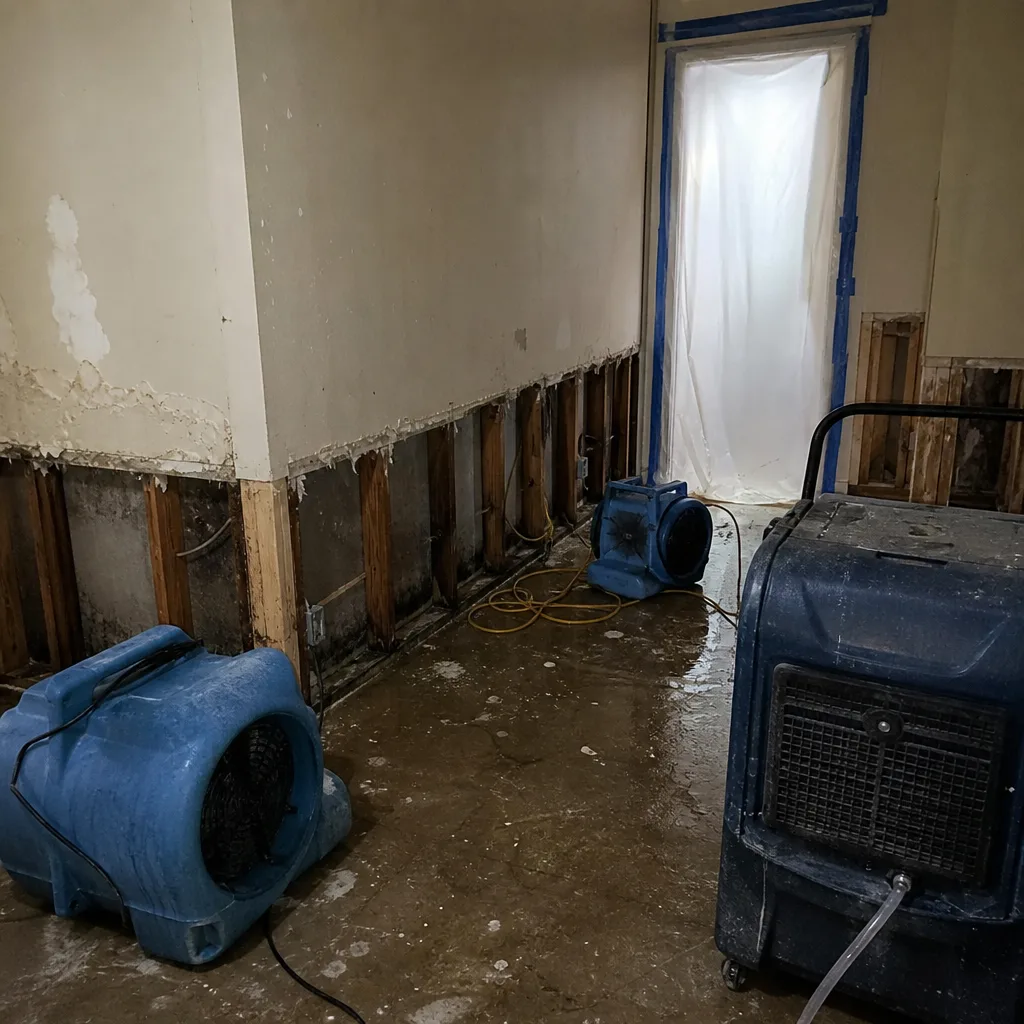 Before
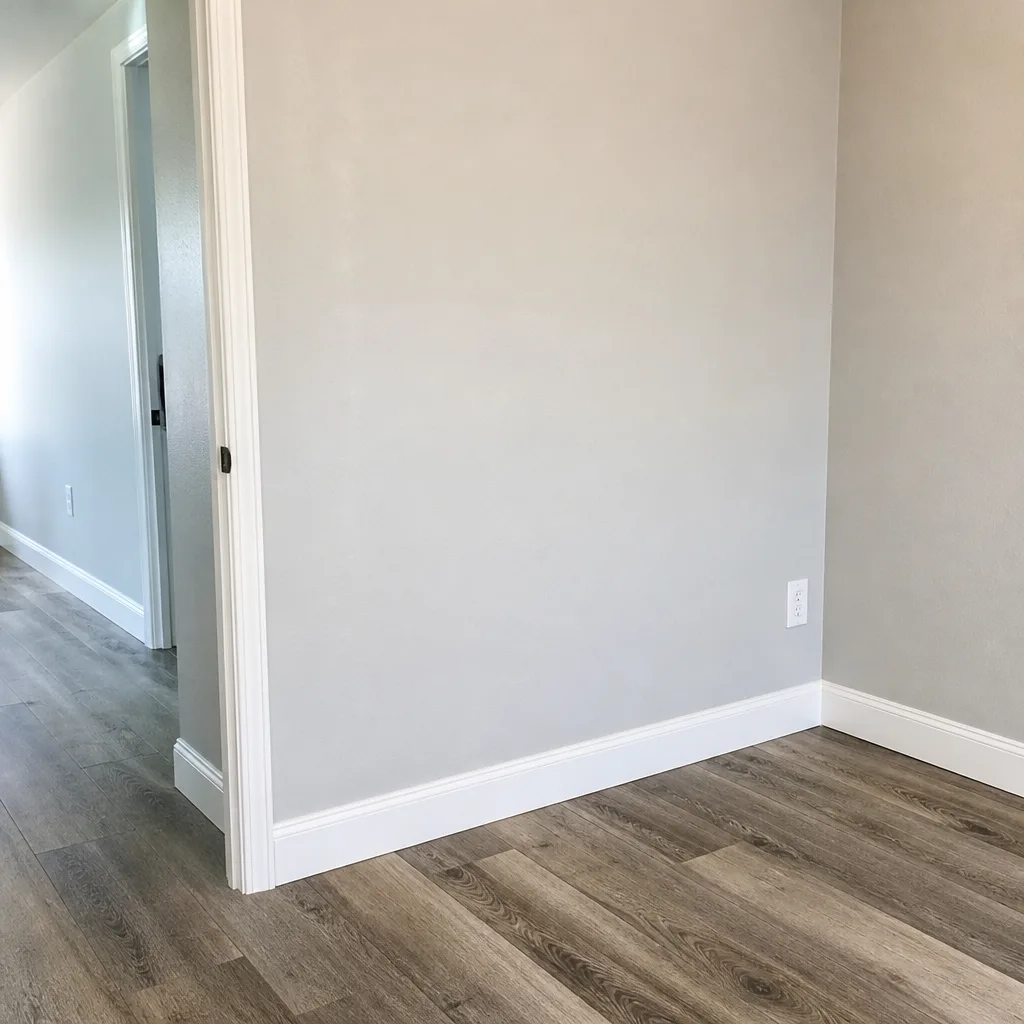 After
After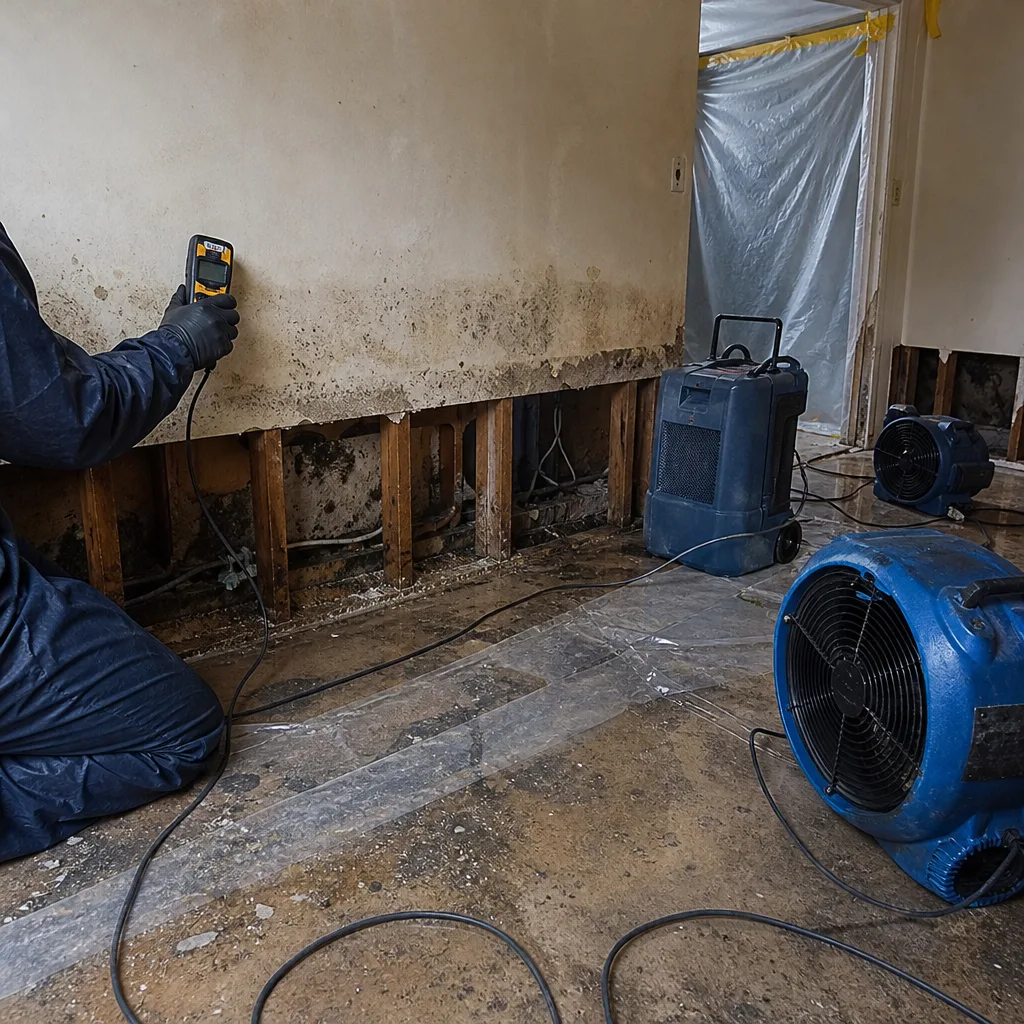 Before
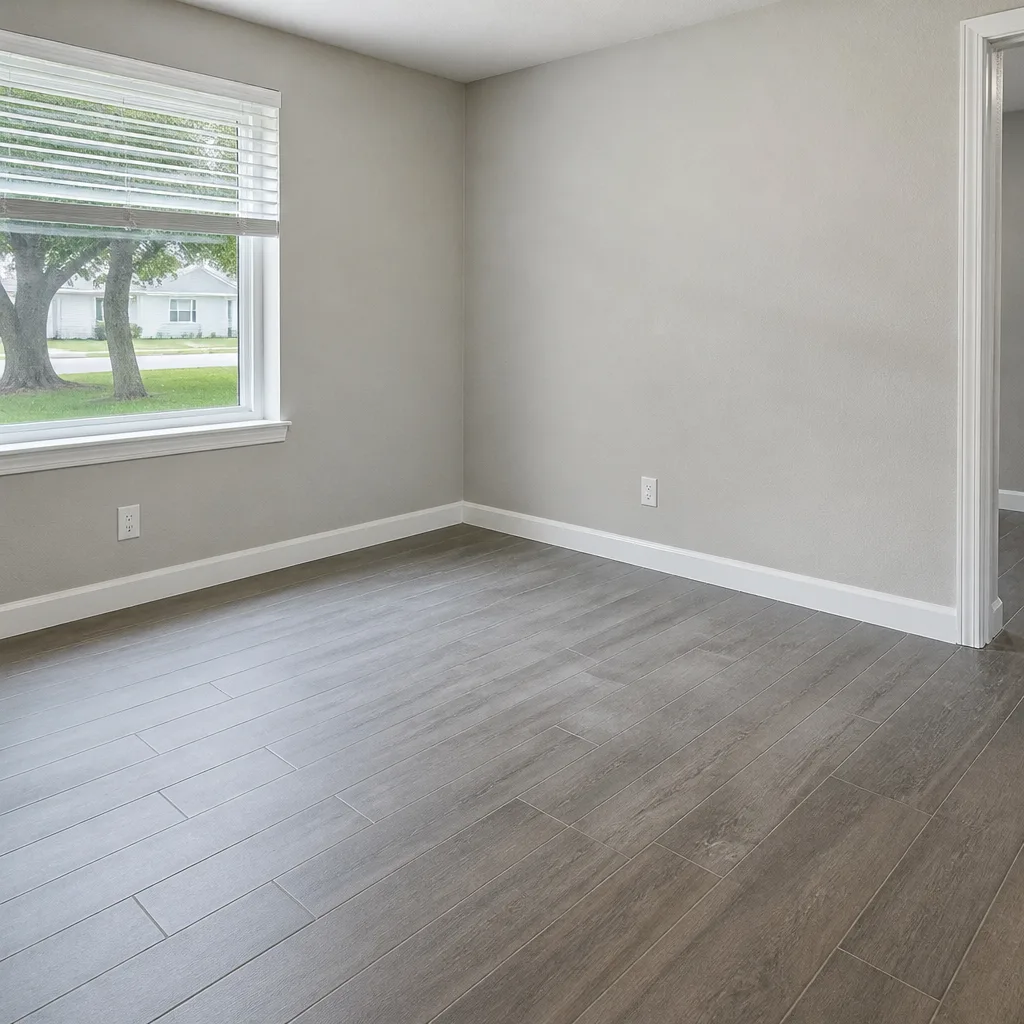 After
After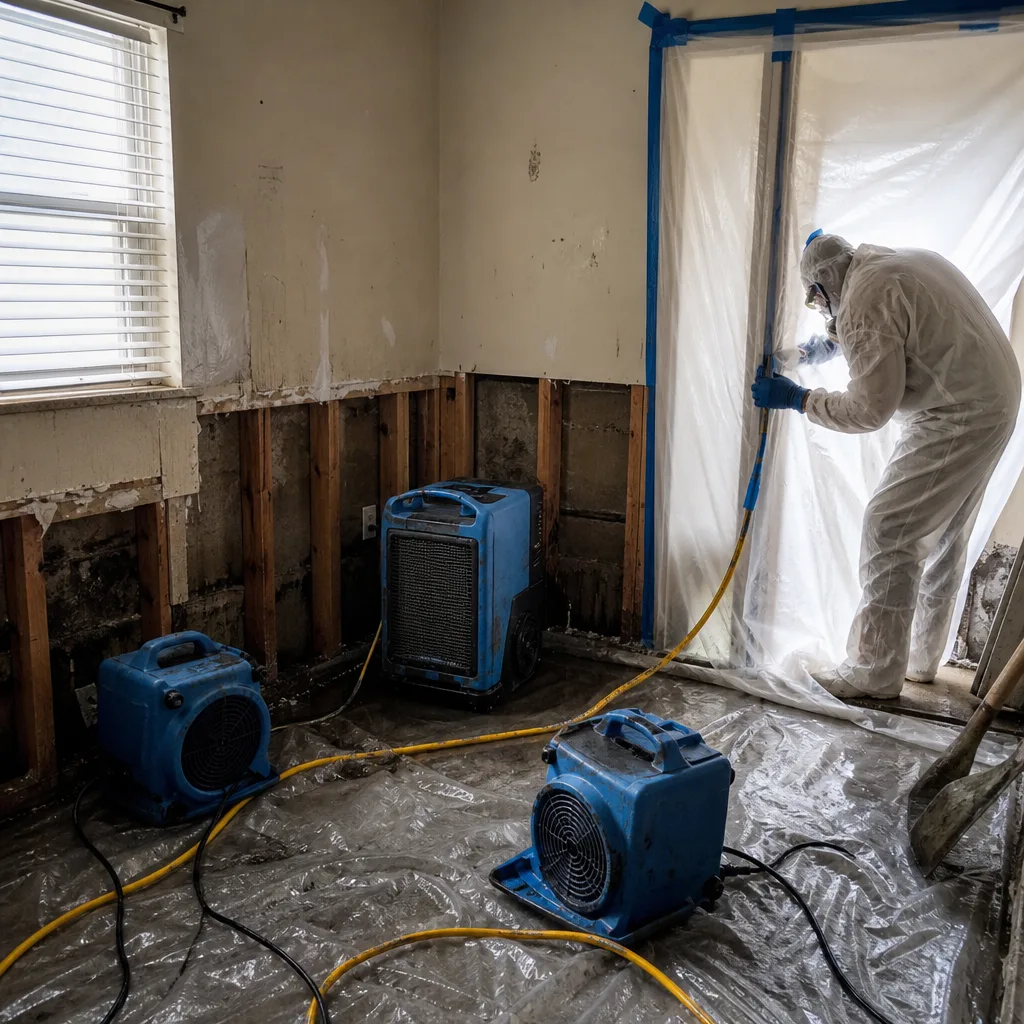 Before
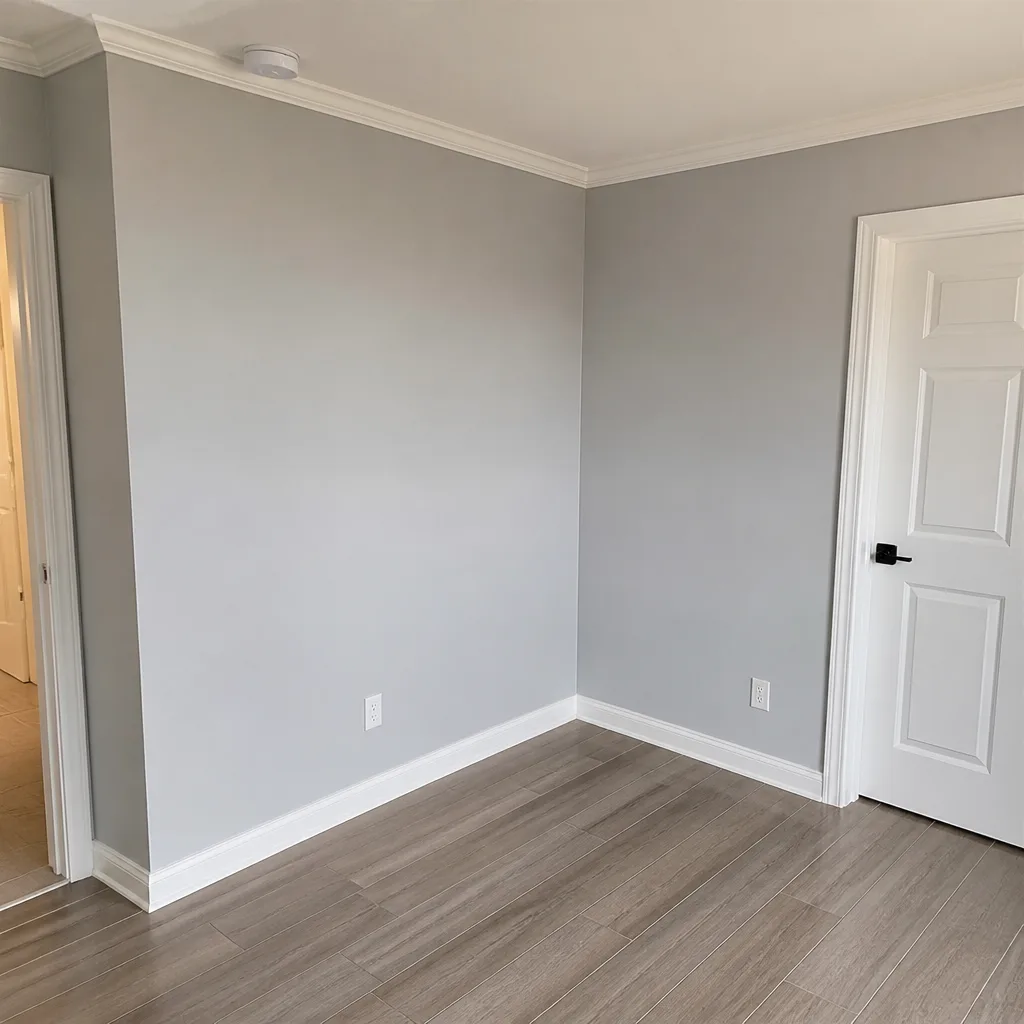 After
After