
Last updated October 16, 2026
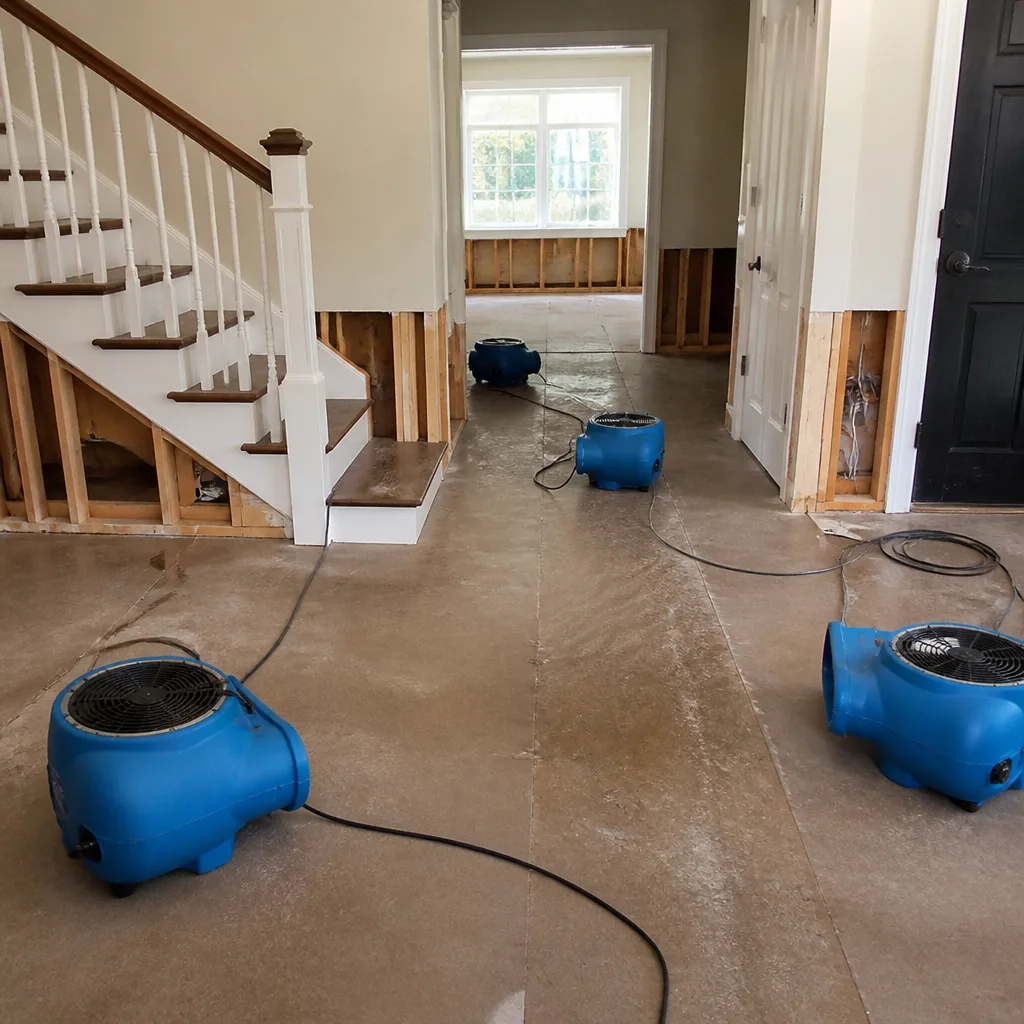 Water damage drying
 Fire & smoke cleanup
 Mold remediation
 Storm response
 Sewage cleanup
 Reconstruction
Free visual inspection and a written scope of work before any mitigation begins - photos, moisture readings, and drying logs go in your claim file
The scope we write is the scope we bill. Anything new gets shown to you, in writing, before we touch it.
Get your free estimateDamage Restoration Permits, Codes & Inspections in FL: What You Need to Know
An Orlando homeowner sold their house two years after a water damage repair, and the buyer’s inspector found unpermitted drywall replacement covering previously wet framing. The sale fell through. The restoration company was long gone. The permit that should have been pulled cost $180. The failed closing cost $14,000 in price reduction and re-listing fees. This is the reality of Florida’s building code around restoration work: it’s stricter than most homeowners realize, and most contractors prefer it stays that way. This guide tells you exactly when a permit is required, who is responsible for pulling it, and what happens when one isn’t, and it pairs well with our Damage Restoration Warning Signs: A Orlando Homeowner’s Reference Guide.
Restoration work we handle
Quick Answer
Water damage restoration in Florida requires a permit whenever the work crosses from cleaning and drying into structural repair, drywall replacement, or any alteration to load-bearing components. The contractor doing the work is legally responsible for pulling that permit, not the homeowner. You can verify a permit was actually pulled through your county or city permit portal in about five minutes, and that verification is the single most important step you can take before any demo begins.
Table of Contents
- When a Permit Is Actually Required: The Maintenance vs. Structural Line
- Who Pulls the Permit: Why It’s on the Contractor, Not You
- Florida’s 25% Rule: The Sleeping Giant in Older Orlando Neighborhoods
- How to Verify a Permit in Orange County and the City of Orlando
- Failed Inspections: What They Mean for Your Timeline and Insurance Claim
- When Unpermitted Work Comes Back: The Closing Table Problem
- Post-Restoration Codes: What Actually Has to Be Brought Up to Current Standard
- Common Mistakes to Avoid
- When to Call a Professional
- Frequently Asked Questions
- The Bottom Line
When a Permit Is Actually Required: The Maintenance vs. Structural Line
Florida Building Code Section 708 draws a line that most restoration crews would rather not talk about. On one side is ordinary maintenance: extracting standing water, running drying equipment, treating visible mold on non-porous surfaces, replacing a few feet of baseboard. No permit needed. On the other side is structural alteration: cutting out and replacing drywall, repairing or replacing framing members, altering any load-bearing wall, re-routing plumbing, or changing any electrical wiring. That requires a permit. Full stop.
The confusion comes from how restoration companies frame the work. A crew that pulls out soaked drywall, replaces the insulation behind it, and re-hangs new board is doing structural repair. The fact that it’s the same square footage as before doesn’t matter. The code looks at what was altered, not whether the house changed shape. In Orlando, where a single afternoon thunderstorm can put two feet of water into a slab-on-grade home in Pine Hills or Conway, the difference between “we dried it out” and “we rebuilt the wall” is exactly where the permit question lives.
Here’s a practical way to think about it. If the repair touches any of these, a permit is required in Florida:
- Drywall replacement beyond a small patch (typically anything over 2 square feet per opening, though inspectors interpret this conservatively)
- Insulation removal and replacement in walls or ceilings where the cavity was opened
- Framing repair or replacement, including sistering water-damaged studs or floor joists
- Any electrical work resulting from water exposure, including replacing outlets, switches, or wiring
- Plumbing replacement beyond swapping a supply line or P-trap
- Window or door replacement if water damage compromised the rough opening
- Roof sheathing or decking replacement after storm damage
What doesn’t need a permit: water extraction, dehumidification, antimicrobial treatment on exposed surfaces, carpet cleaning and replacement, and cosmetic work like paint and trim. A reputable water damage restoration company in Orlando should be able to tell you, within the first visit, which category your job falls into. If the answer is “we don’t need a permit for this” and you’re looking at opened walls, get a second opinion or check the portal yourself. More on that below.
In our experience in the Orlando market, the most common surprise is Category 3 water (that’s sewage or floodwater from outside) saturating drywall in bathrooms and laundry rooms. That drywall has to come out, which means it has to be replaced, which means the job is structural. We tell homeowners this in the first hour, not after demo starts, because the permit determines who can legally do the work and what gets inspected.
Who Pulls the Permit: Why It’s on the Contractor, Not You
Under Florida law, the contractor performing the work is responsible for obtaining the permit. Not the homeowner. This is not a gray area, and any contractor who suggests otherwise is either unlicensed, trying to avoid the inspection schedule, or both. The statute is clear: the person or company doing the regulated work must be the one to file the application, pay the fee, post the permit, and schedule inspections.
Why does this matter so much in damage restoration specifically? Because restoration companies operate under a different incentive than remodelers. A remodeler lives and dies by their reputation in the same market. A restoration company often works through insurance referrals, and in our region, some of them are flying in from other counties or other states after a major storm event. They have no long-term stake in an Orlando homeowner’s resale value. The permit requirement is one of the only mechanisms that keeps out-of-market operators accountable to local building officials.
When a contractor says “we don’t need one for this,” that statement should end the conversation. We’ve seen this exact phrase used in College Park bungalows where soaked lathe-and-plaster walls were opened down to studs, in Waterford Lakes homes where entire kitchen islands were rebuilt after supply-line failures, and in Audubon Park houses sold months later with open building code violations attached to the parcel number. The homeowner believed the expert in the room. The expert was wrong, and the expert was gone.
The practical test is simple: if your restoration job involves any of the items in the list above, ask for the permit number. A licensed contractor who intends to pull the permit will have no problem giving you the application number or showing you the submission confirmation. One who shifts the subject, tells you it’ll delay the job, or offers to “save you the fee” by skipping it is telling you who they are.
For work in Orlando, permits for residential restoration are typically pulled through the City of Orlando Permitting Services division if you’re inside city limits, or through Orange County’s Division of Building Safety if you’re in unincorporated areas like Azalea Park, Bithlo, or parts of the 32825 corridor. The fee for a residential alteration permit in this market typically runs between $150 and $700, depending on the scope and valuation of the work. That’s the whole fee. It’s a rounding error compared to what an unpermitted disclosure costs in a real estate transaction, and we’ve watched that math play out more times than we care to count.
Florida’s 25% Rule: The Sleeping Giant in Older Orlando Neighborhoods
Here’s the part that catches nearly everyone by surprise. Florida has a rule, rooted in the federal floodplain management regulations and carried into the Florida Building Code, that says when cumulative repairs to a structure exceed 25% of the property’s assessed value, the entire structure may be required to be brought up to current code. Not just the repaired section. The entire structure.
For a $300,000 home in Orlando, that threshold is $75,000 in cumulative repairs. A single major water loss with full kitchen rebuild, flooring replacement, and structural drying can approach that number. If the home is older, the assessed value may be significantly below market, which makes the threshold even tighter. A 1970s house in Colonialtown assessed at $220,000 has a 25% trigger of $55,000. A serious supply-line failure in a two-story home can burn through that in one event.
What does “brought up to current code” actually mean? It can include:
- Replacing the entire electrical panel and service entrance
- Bringing all smoke detectors into compliance with current interconnection and placement requirements
- Upgrading hurricane strapping and roof-to-wall connections
- Installing impact-rated windows or shutters throughout
- Bringing the entire structure into floodplain compliance, which in some Orlando neighborhoods means raising the structure or installing flood vents
Nobody wants to hear that a water heater supply line failure became a $40,000 structural upgrade because the repair crossed the 25% threshold. But it happens. The key is knowing it exists before the adjuster walks the property. The rule applies to the cumulative market value of repairs over time, meaning multiple smaller losses in the same year can push a homeowner over the line just as easily as one catastrophic event. If you’ve already spent $30,000 on a previous restoration, the next one starts with only $25,000 to $45,000 of headroom depending on your assessment. This is exactly why we document every repair with photos, scope notes, and a written permit trail: the proof of what was permitted, when, and by whom determines whether a future loss lands over or under the line.
In our Orlando work, we see this most often in older lakeside homes around Lake Underhill, Conway, and the neighborhoods west of downtown where houses from the 1950s and 1960s carry assessments far below replacement cost. A kitchen flood in one of these homes doesn’t just trigger a kitchen rebuild. It triggers a conversation about whether the entire house is now on the hook for current code compliance. A storm damage restoration in Orlando that includes roof replacement and interior rebuild can reach that 25% threshold quicker than any homeowner expects.
How to Verify a Permit in Orange County and the City of Orlando
This is the single most useful skill a homeowner can have when dealing with any restoration company. You don’t need to be a code expert. You need to know how to look up a permit number, confirm it’s real, and see whether the inspections were scheduled and passed. It takes five minutes.
Here’s the step-by-step for Orange County:
- Determine jurisdiction. Are you inside the City of Orlando limits? The easiest way: enter your address on the Orange County Property Appraiser’s website and look at the municipality line. If it says “Orlando,” you’re using the city portal. If it says “Unincorporated,” you’re on the county system.
- City of Orlando: Go to the City of Orlando Permitting Services page. Click “Search Permits.” Enter your property address. You’ll see a list of every permit application, issuance, and inspection associated with that parcel, past and present.
- Orange County: Use the Fast Track Online Services portal. Click “Permit Search,” enter the address, and review all building, electrical, plumbing, and mechanical permits tied to the property.
- Look for the specific permit. After your restoration company tells you they’ve pulled a permit, search by the permit number they gave you. Confirm the applicant is the company doing the work (or their licensed agent). Confirm the scope matches what’s actually happening in your house.
- Track inspection status. Every permit requires scheduled inspections (usually rough-in before drywall goes up, and final after everything is done). If you see a permit issued but no inspections scheduled, call the contractor and ask why. If you see no permit at all, call the contractor and ask why. The answer matters.
We tell every homeowner we work with in Orlando to take these five steps. It’s not about distrust; it’s about the fact that a permit is a legal document, and the person whose name is on the deed has the most at stake if it’s missing. A mold remediation in Orlando job that includes drywall replacement, framing repair, or insulation removal should have a permit trail you can verify through these same portals. If the company says the permit is “pending” for more than a few days, follow up. Permit applications in Orlando typically show as submitted within one business day of payment.
What does a failed inspection mean for your restoration timeline? It means the work stops until the issue is corrected and the inspector signs off. This is not a disaster; it’s the system working. The most common failure we see in restoration work is drywall hung over framing that wasn’t inspected first. The inspector can’t see the studs, the fasteners, or the moisture barrier. So they fail it. The drywall comes down, the inspection happens, the drywall goes back up. That’s a time cost measured in days, not weeks, if the contractor scheduled inspections properly in the first place.
Failed Inspections: What They Mean for Your Timeline and Insurance Claim
A failed inspection is not a scarlet letter. It’s a checkpoint that caught a problem before the problem got buried behind drywall and paint. The real problem is a contractor who treats inspections as a formality to be scheduled late, skipped entirely, or discussed with homeowners only in the vaguest possible terms.
Here’s how inspections interact with an open insurance claim. Your adjuster has already documented the loss, estimated the scope, and issued payment (or scheduled it in phases). The permit and its inspections validate that the money your carrier paid for structural repair was actually spent on structural repair that meets code. If an inspection fails and the work has to be redone, the rework cost typically falls under the original claim scope, assuming the adjuster sees the same failure the inspector did. What does not happen automatically is the insurance company covering a contractor’s shortcut. If drywall was hung over un-inspected framing and the inspector makes them tear it out, the wasted material and labor may become a dispute between you and the contractor, not between you and your carrier.
This is another reason the written scope matters. At Marsh Water Damage Orlando, every job gets a written price and a written scope before any work starts, and the permit number is printed on that scope. The document explicitly states which inspections are required. When the inspector arrives, you as the homeowner know what they’re checking and why. There are no surprises after demo begins and no ‘it turns out we need to do a little more’ conversations that change the price. We’ve been doing this in Orlando since 2005, and the most common claim we hear from customers coming to us after a bad experience is that the first company did work that couldn’t be inspected, then disappeared when the bill came due. The fix is simple, but it’s not optional: confirm the permit, confirm the inspections, keep the documentation.
When Unpermitted Work Comes Back: The Closing Table Problem
The closing table is where most unpermitted restoration work finally gets discovered. Not by the building department. By the buyer’s home inspector. And the sequence is always the same. The inspector sees newer drywall, newer insulation, newer baseboard. They check the permit history on the parcel. There’s no record of any work. They flag it in the report. The buyer’s agent asks the seller for the permit disclosure. There isn’t one. The seller, who never knew they needed to ask, is now negotiating against a buyer who has every reason to believe the work was done incorrectly and every leverage to demand a price reduction.
The Orlando opening example in this guide is not hypothetical. It happened. $180 permit. $14,000 failed closing. The cost ratio is grotesque.
In Florida, sellers are required to disclose known improvements to the property, and unpermitted work is specifically addressed in most standard disclosure forms. A seller who says “I didn’t know it needed a permit” is not protected by ignorance; the disclosure form asks about improvements, not about permits specifically. The buyer’s inspector will do the rest.
In neighborhoods where real estate moves fast, like Baldwin Park, Thornton Park, and Delaney Park, the issue takes on a different shape. Homes there sell at premiums, which means buyers are aggressive about inspections and sellers are motivated to close quickly. Unpermitted restoration work is discovered on the inspector’s walkthrough. The seller gets a mid-negotiation surprise. The buyer gets a repair credit or a price reduction. The restoration company that skipped the permit is not present and not accountable. The seller eats the difference.
This is the structural reason we recommend that every homeowner in our region keep a folder with their restoration documentation: the original scope, the permit number, every inspection record, every photo, and the final sign-off from the building department. It converts a liability into a closing-table asset. When the buyer’s inspector asks about that drywall work in the guest bathroom, the seller hands over a file that answers every question. No negotiation. No discount. No failed closing.
Post-Restoration Codes: What Actually Has to Be Brought Up to Current Standard
A common misconception is that any permitted repair forces the entire home into the current Florida Building Code. That’s not accurate. The code has what’s called the “work area” provision. Within the scope of the repair, the work must comply with current code. Outside that scope, the existing house generally gets to stay the way it is.
What does “work area” mean in practice? If you open a wall for water damage repair and find aluminum wiring inside, the electrical work in that wall has to be brought up to the current standard for the portion you’re touching. In a practical sense, this often means:
- Any outlet, switch, or junction box in the opened wall must be replaced with current-standard devices (GFCI or AFCI as required by its location)
- Exposed wiring that was disturbed must be secured and protected to current code
- Any insulation you remove must be replaced with insulation meeting current R-value requirements for your climate zone
- Any plumbing fixture you touch must meet current fixture standards for flow rate, shutoff valves, and connection design
- Any structural member you repair must be restored to current load and fastener specifications, not the original 1970s standard
The 25% rule described earlier is the exception that swallows the work-area rule. Cross that threshold and the whole structure may be on the hook. Before that threshold, the code is remarkably proportional. Fix the wall. Bring the wall up to current code. Leave the rest of the house alone.
In Orlando, climate adds a specific layer to the code conversation. Our humidity and heat create conditions where water-damaged framing left unchecked becomes a mold problem in three to five days. That’s why the drying equipment matters. We run Dri-Eaz and Phoenix dehumidifiers and high-velocity Injectidry drying systems on every structural drying job, then verify the moisture content with psychrometric readings (measuring the moisture in the air and materials) before any drywall goes back up. The code doesn’t require those specific readings; it requires that work be done to industry standard, and a dry substrate is the absolute floor of that standard. If the framing goes back together wet, the permit and inspection process won’t save you. The mold will be inside the wall, invisible, until it’s not.
Common Mistakes to Avoid
- Trusting the “we don’t need a permit” line without verification. This is the single most expensive sentence in Florida restoration work. If the demo includes drywall, framing, insulation, wiring, or plumbing, check the permit portal yourself. It takes five minutes and protects everything downstream of the work.
- Paying cash for restoration work that includes structural repair. A legitimate permitted job generates a payment trail, a permit trail, and an inspection trail. A cash job generates none of those. When the buyer’s inspector asks, you have no answer. In Orlando, where housing turnover is high and inspectors are thorough, this decision follows you until you sell.
- Failing to document the pre-existing condition. Your insurance carrier covers the water damage, not the deferred maintenance that existed before the loss. Photos taken before any demo begins are the only evidence of what was damaged by the event versus what was already wrong. We photograph every job before we touch it, and you should too, even if you never show the photos to anyone.
- Assuming the insurance company verifies permits. Most carriers don’t, and it’s not their job. The permit is a local building department mechanism, not an insurance one. Your adjuster’s estimate assumes repair to code, but the adjuster doesn’t log into the permit portal. You do.
- Letting the restoration company choose the inspector. Inspectors are assigned by the building department, not chosen by the contractor. If a company tells you “our guy will inspect it,” that’s not an inspection. That’s a friend with a clipboard.
- Waiting to sell before finding out about a missing permit. The time to check is the week the repair is done, not the month you list the house. Discovering it at the closing table turns a $180 fix into a $14,000 problem.
When to Call a Professional
Some situations clearly call for a professional restoration company that pulls permits, manages inspections, and documents every step of the work. Structural water damage from a supply-line failure, sewage backup into living space, storm damage that opened the roof, or any mold growth covering more than 10 square feet: these are all scenarios where the wrong contractor makes a bad problem worse. If a company tells you no permit is needed for structural work, call someone else. If a company can’t tell you the name of the person who will be in your house, call someone else. Marsh Water Damage Orlando offers free estimates in Orlando, and every job comes with a written scope before any work starts, following the steps in our How to Hire a Damage Restoration Contractor in Orlando: A Step-by-Step Guide. Call (850) 446-8938 to schedule yours.
Frequently Asked Questions
Yes, if the work involves drywall replacement, framing repair, insulation replacement, electrical work, plumbing replacement, or any alteration to structural components. Simple extraction, drying, and cosmetic work does not require a permit. If you’re unsure which category your job falls into, check your local permit portal or call a restoration company and ask for the specific permit number, or browse our more guides & resources for additional help.
The contractor performing the work is legally responsible for pulling the permit in Florida. The homeowner should never be asked to pull it. If a contractor suggests you pull the permit, that’s a red flag; it usually means the contractor is unlicensed or trying to avoid the inspection process. Call (850) 446-8938 for a free consultation with a team that handles permits on every structural job in Orlando.
Search your address on the City of Orlando Permitting Services portal if you’re inside city limits, or the Orange County Fast Track Online Services portal if you’re in unincorporated areas. Both systems show every permit application, issuance, and inspection associated with your parcel. If you don’t see a permit for structural work that was done, you have a documentation problem to resolve.
The inspection stops the job until the issue is corrected. In restoration work, the most common failure is drywall installed before framing was inspected, which means the drywall comes down, the framing gets checked, and the drywall goes back up. It’s a delay measured in days, not weeks, if the contractor scheduled inspections properly from the start.
No. Insurance adjusters document the loss and write estimates, but they generally do not verify permits or track inspections. The permit is a local building department mechanism, and the responsibility for ensuring it exists falls on the property owner and the contractor doing the work. Your carrier’s payment assumes work was done to code; the permit proves it.
Yes, and typically at the worst possible moment. A buyer’s home inspector will identify newer work with no permit history, and the buyer will use that as leverage to negotiate a price reduction or repair credit. In Orlando’s fast-moving real estate market, where homes sell quickly and inspections are thorough, unpermitted work discovered at the closing table can cost a seller thousands. Call (850) 446-8938 if you need help determining whether past work at your property was properly permitted.
The Bottom Line
In Florida, permits on restoration work are not optional paperwork. They’re the only proof that structural repair was done correctly, by a licensed contractor, with a building inspector’s sign-off. Missing that proof costs homeowners at the closing table, delays insurance claims after a second loss, and leaves invisible problems inside walls. Our team at Marsh Water Damage Orlando has handled permitted restoration work in this market since 2005, and we can tell you this without reservation: the homeowners who call us after a bad experience all say the same thing about the first contractor. The company said no permit was needed. The company was gone when it mattered. The difference is five minutes on a permit portal. Use it.
Written by Tobias Reyner, Owner at Marsh Water Damage Orlando, serving Orlando since 2005.
See the difference
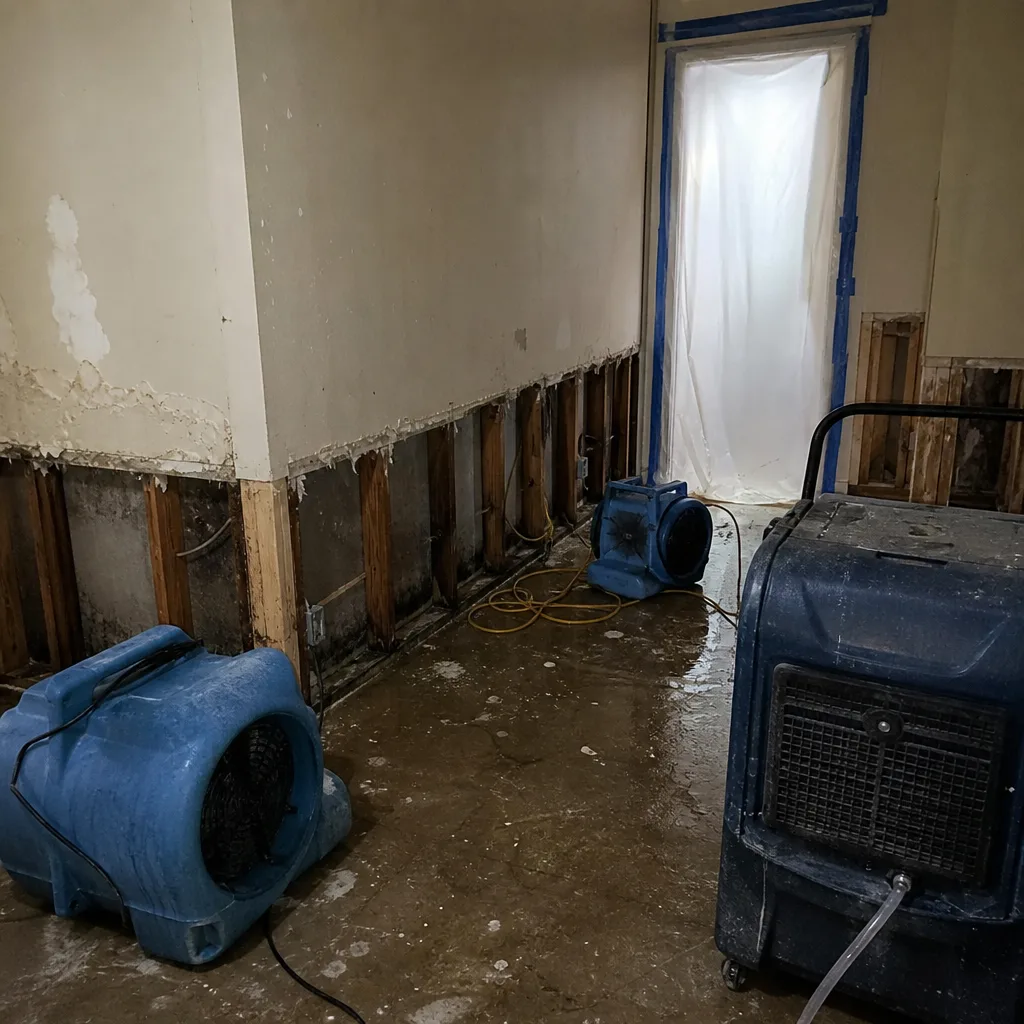 Before
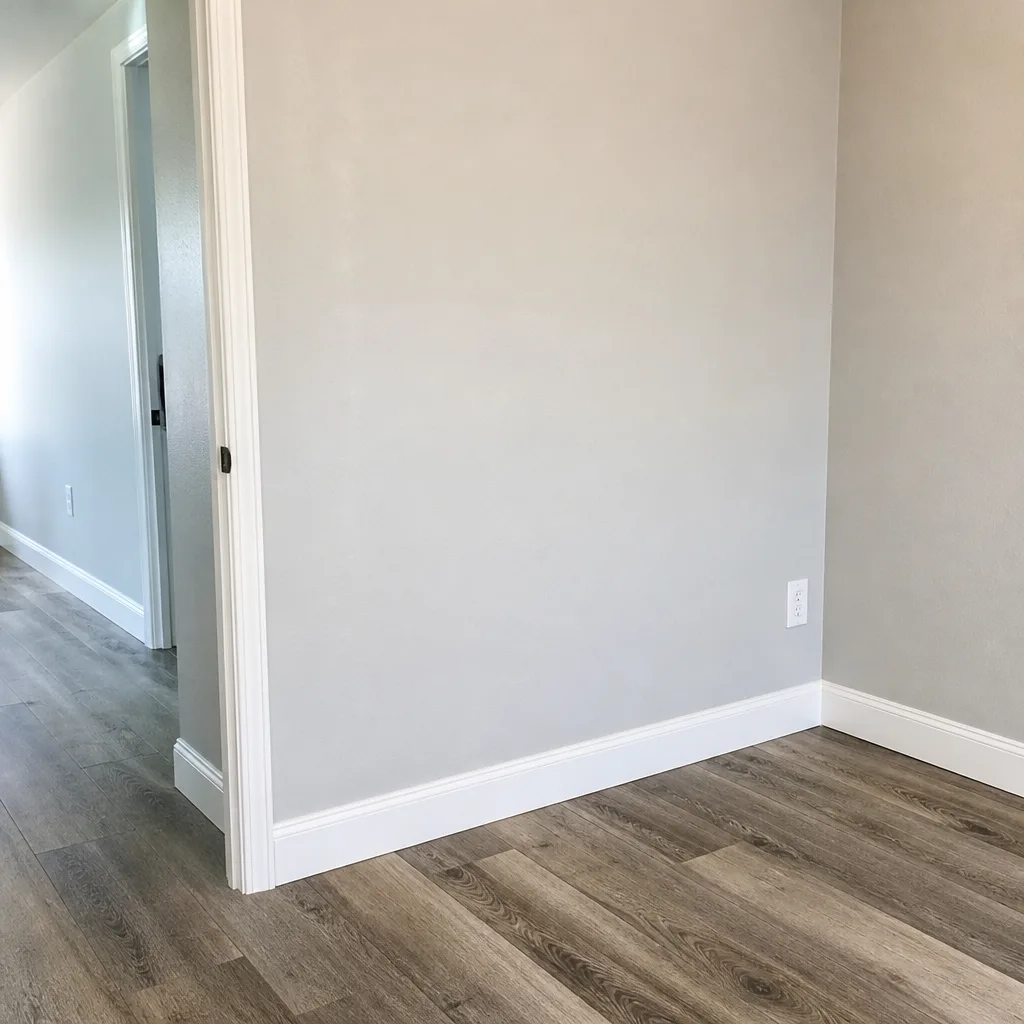 After
After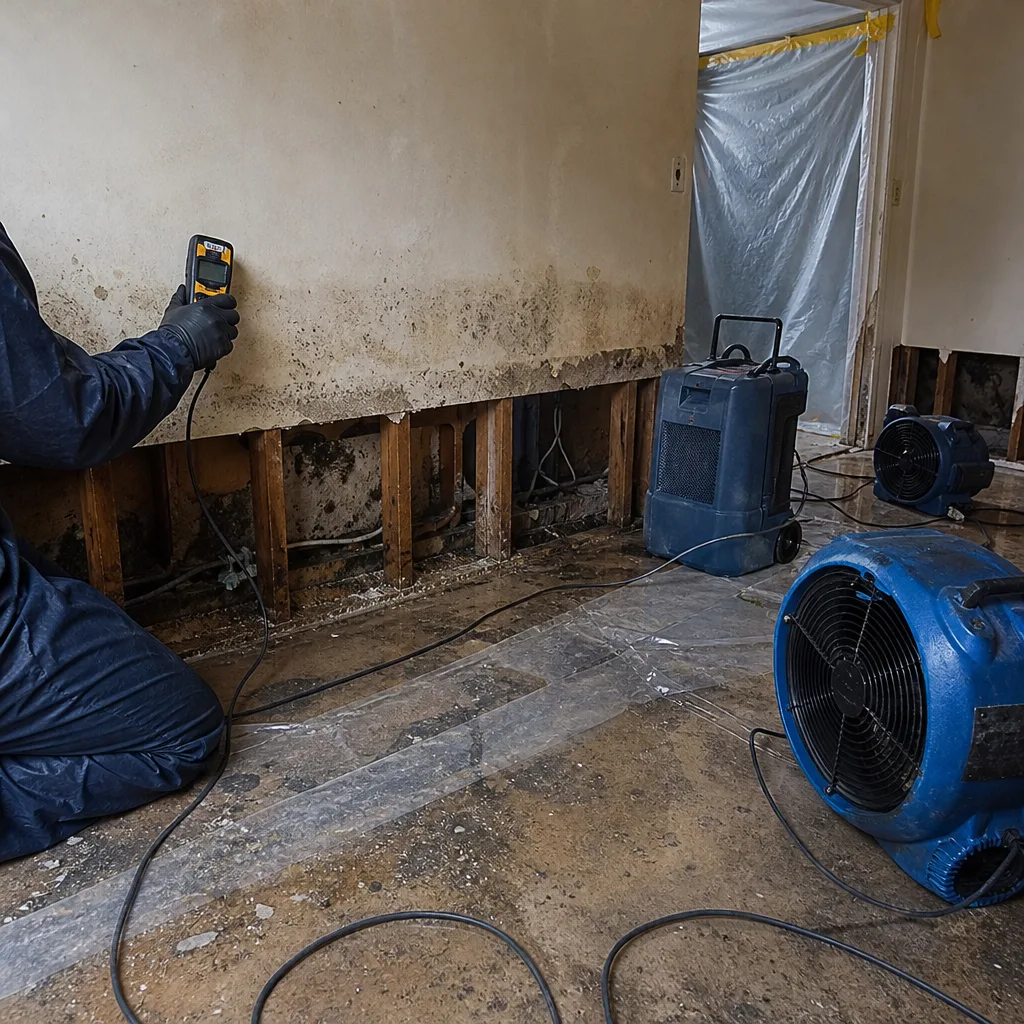 Before
 After
After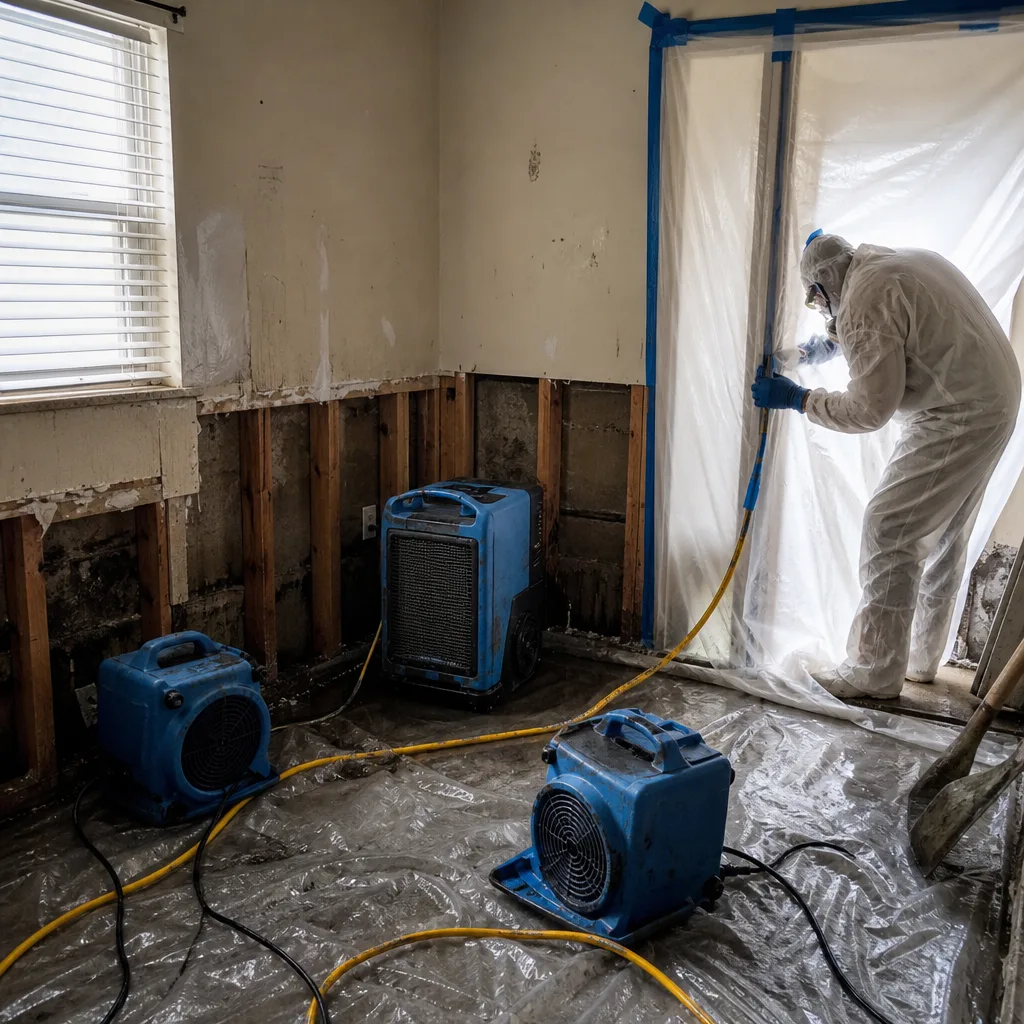 Before
 After
After