
Last updated October 16, 2026
 Water damage drying
 Fire & smoke cleanup
 Mold remediation
 Storm response
 Sewage cleanup
 Reconstruction
Free visual inspection and a written scope of work before any mitigation begins - photos, moisture readings, and drying logs go in your claim file
The scope we write is the scope we bill. Anything new gets shown to you, in writing, before we touch it.
Get your free estimateDamage Restoration Cost Breakdown: The Orlando Homeowner’s Reference for 2026
Here’s a number most Orlando cost guides won’t lead with: the average residential water damage claim in Orlando settled for roughly $11,400 in 2024. The average homeowner wrote a check for about $3,800 of that after deductible, depreciation holdback, and policy exclusions. That gap between the claim amount and what actually leaves your checking account is where confusion lives, because nobody explains the settlement math before the adjuster’s first offer lands in your inbox. This guide walks you through what restoration actually costs in the Orlando market in 2026, what drives the price up or down, and how to read an insurance estimate without getting blindsided. For Damage Restoration Warning Signs: A Orlando Homeowner’s Reference Guide, see our companion post. You’ll learn what the line items mean, which ones are negotiable, and which ones signal a contractor is cutting corners.
Restoration work we handle
Quick Answer
Water damage restoration in Orlando typically runs between $3.50 and $9.00 per square foot of affected area for cleanup and drying in 2026, with most single-room projects landing between $2,800 and $7,500 before rebuild. Mold remediation adds $1,800 to $6,000 for a typical contained area. The single biggest variable is water category: clean water from a supply line cost less to handle than sewage, which legally requires full containment and specialized disposal.
Table of Contents
- Why Water Category Changes the Price More Than Square Footage
- 2026 Orlando Cost Benchmarks by Restoration Phase
- The Hidden Cost of Drying Time in Orlando’s Humidity
- Insurance Settlement Math: ACV, RCV, and Depreciation Holdbacks
- Written Price vs. Time-and-Materials Billing
- Mold Remediation Cost Factors Specific to Orlando Homes
- Storm and Hurricane Damage Restoration Costs
- Common Mistakes to Avoid
- When to Call a Professional
- Frequently Asked Questions
- The Bottom Line
Why Water Category Changes the Price More Than Square Footage
Before any drying equipment gets plugged in, a restoration company must classify the water by its contamination level. The IICRC standard defines three categories, and each one carries different handling requirements that ripple through the entire invoice. Category 1 is clean water: a supply line break under a sink, a leaking water heater in the garage, an overflowing bathtub with fresh water. Category 2 is gray water: dishwasher discharge, washing machine overflow, aquarium leaks, or clean water left standing for more than 48 hours. Category 3 is black water: sewage, floodwater from outside, toilet backflow containing feces.
The category determines what gets thrown away. Category 1 jobs often allow for in-place drying, where technicians cut baseboard holes and run air movers behind walls instead of removing drywall entirely. Category 3 jobs require removal of all porous materials the water touched, full containment with negative air pressure to keep contaminated particles out of the rest of the house, and disposal in biohazard bags. In Orlando, where slab-on-grade homes are common and floodwater routinely carries bacteria from Lake Eola drainage or septic backflow during heavy storms, Category 3 classifications happen more often than homeowners expect. A Category 1 hallway drying job might run $2,200. The same square footage with Category 3 classification becomes $6,800 because of containment, PPE, and material disposal costs.
Here’s what the category shift means in practical terms:
- Category 1: Dry in place where possible, salvage carpet pad and drywall, least expensive per square foot. Typical Orlando range: $3.50 to $5.50 per sq ft.
- Category 2: Carpet and pad always removed, drywall cut 12 to 18 inches above the water line, antimicrobial treatment required. Typical Orlando range: $5.00 to $8.00 per sq ft.
- Category 3: Full containment, porous materials removed and disposed as biohazard waste, hard surfaces sanitized with EPA-registered disinfectants. Typical Orlando range: $7.50 to $14.00 per sq ft.
No legitimate contractor will negotiate down a Category 3 classification. It’s a safety standard, not a markup tactic. A company that skips containment on sewage work puts your family at risk and violates the same IICRC protocols that insurance adjusters check during their review. If an estimate seems suspiciously low on a sewage job, that’s the line item that got skipped.
2026 Orlando Cost Benchmarks by Restoration Phase
Restoration invoices break into phases, and each phase carries its own per-square-foot rate in the Orlando market. Most national cost guides list a single blended number, but that’s not how contractors price the work, and it’s not how adjusters build estimates either.
Extraction is the first phase: removing standing water with truck-mounted or portable extractors. In Orlando, extraction runs $0.80 to $1.50 per square foot of affected area. A 200-square-foot living room with an inch of standing water means $160 to $300 for the water removal itself. This phase is usually completed within a few hours of arrival.
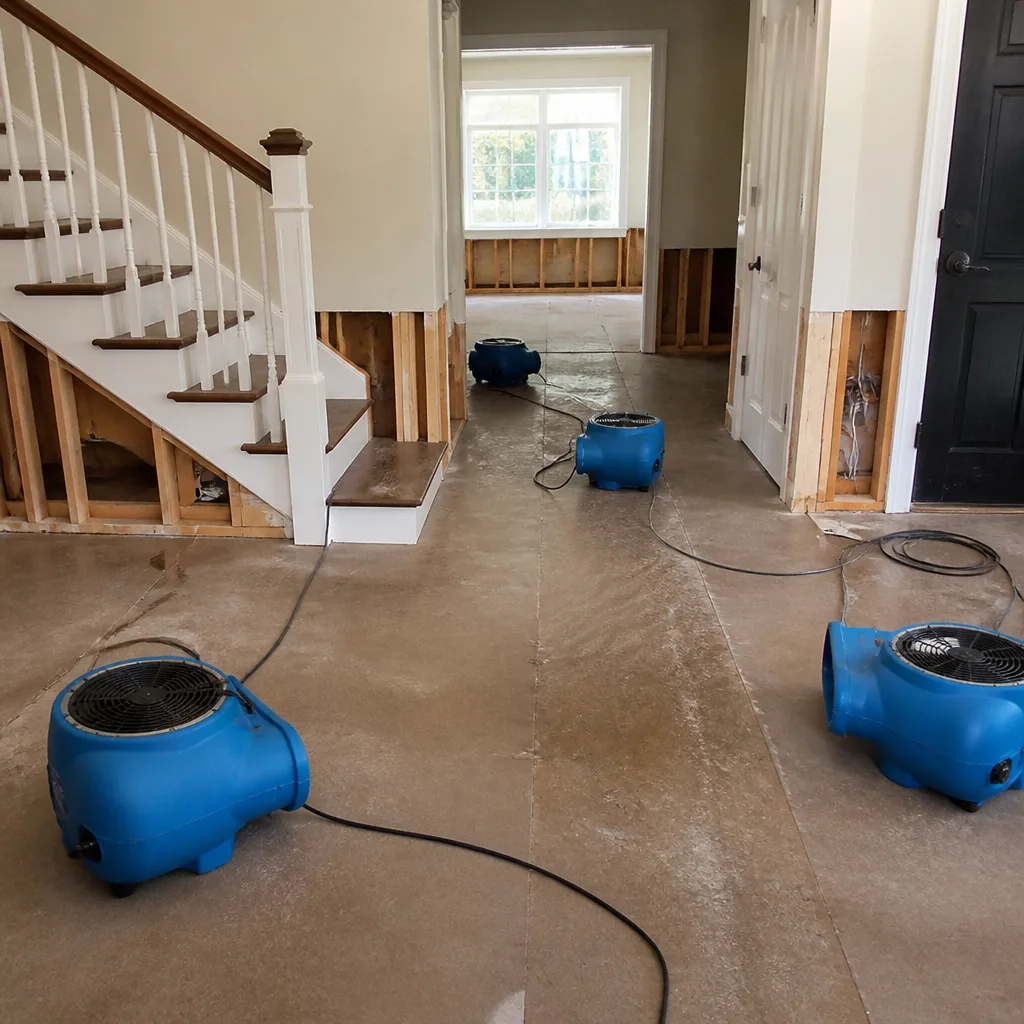
Drying includes equipment rental, monitoring, and labor for the days or weeks the equipment runs. The line item on most Orlando estimates comes to $1.80 to $3.50 per square foot, but that assumes the drying cycle completes in three to four days. Orlando’s ambient humidity routinely pushes drying cycles to five to seven days, which is why local estimates trend toward the top of that range. Each air mover costs $25 to $40 per day in equipment charges, and a typical Orlando bedroom needs four to six of them. Each dehumidifier carries a daily charge of $90 to $140. A five-day drying cycle for a standard Orlando three-bedroom home adds $1,400 to $2,600 in equipment alone, before the technician’s daily monitoring visits.
Demolition covers removing materials that can’t be saved: drywall, baseboards, carpet, pad, and sometimes cabinetry. In Orlando, demolition runs $1.20 to $2.80 per square foot, depending on disposal fees and whether asbestos testing is required. Homes built before 1985 in Orlando neighborhoods like College Park or Delaney Park often need asbestos testing before any drywall removal, which adds $150 to $400 for the lab analysis.
Rebuild is what happens after everything is dry: new drywall, texture, paint, baseboards, flooring. This is the most variable phase because it depends on material choices. Basic drywall replacement with texture and paint runs $4.50 to $8.00 per square foot in Orlando. Matching existing finishes in 1920s bungalows in Thornton Park or mid-century ranch homes in Conway adds complexity because texture matching and custom trim cost more than a clean patch in a newer build.
Here’s the phase-by-phase reference for a typical 300-square-foot Orlando living room with Category 1 water damage:
- Extraction: $240 to $450 (3 to 4 hours of work, same-day completion)
- Drying: $540 to $1,050 (based on 5 days of equipment, due to Orlando humidity ranges)
- Demolition: $360 to $840 (removal of wet drywall and baseboard)
- Rebuild: $1,350 to $2,400 (drywall replacement, texture match, paint)
Total for that room: $2,490 to $4,740. That’s the range a homeowner should prepare for when calling restoration companies in Orlando before insurance gets involved. The numbers shift upward with Category 2 or 3 water, and they shift with material costs that change seasonally in the Florida market.
The Hidden Cost of Drying Time in Orlando’s Humidity
Here’s the cost factor most national guides miss entirely: Orlando is one of the most humid major cities in the United States, and humidity directly controls how long drying equipment must run. Psychrometric readings (measuring the moisture content in the air and materials) determine when a structure is genuinely dry, not just dry on the surface. In Phoenix or Denver, a wet wall might reach dry standard in 36 hours. In Orlando, that same wall routinely takes five to seven days because the ambient air is already carrying significant moisture before the drying system starts.
That longer drying window costs real money. A typical drying setup for a 400-square-foot affected area includes one large dehumidifier at $110 to $140 per day, four to six air movers at $25 to $40 per day each, and a daily monitoring visit at $75 to $120 per visit. A three-day cycle in Denver might total $900 in equipment. The same Orlando job running six days totals $1,900 to $2,400. Every additional day adds $250 to $380 in fees that were not on the original estimate if the original estimate assumed a shorter cycle.
This is why Orlando contractors who price a job with an aggressive three-day drying assumption sometimes come back with change orders mid-project. The moisture meter doesn’t lie, and the building materials don’t release water on a schedule. The honest approach is to estimate the Orlando-typical five-to-seven-day cycle from the start, which means the first written estimate should reflect the longer duration. If a contractor quotes a drying cycle of two to three days in an Orlando home, that’s a red flag. Either they’re underestimating to win the job and will hit you with a change order, or they’re planning to pull equipment early and leave moisture behind, which leads to mold.
We’ve seen drying jobs in neighborhoods like Winter Park and Dr. Phillips run eight days when the water sat for more than 72 hours before the homeowner called. The water that soaked into concrete slab and ran behind baseboards doesn’t evaporate faster because the outside air is humid. It evaporates slower, and the dehumidifiers work harder, and the daily charges stack up. That’s the Orlando reality, and it belongs in a cost guide.
Insurance Settlement Math: ACV, RCV, and Depreciation Holdbacks
The $11,400 claim versus the $3,800 out-of-pocket gap I mentioned earlier exists because of how insurance policies structure payment. Understanding this before you sign a restoration contract changes how you evaluate every estimate.
Most homeowners policies cover water damage on one of two bases: actual cash value (ACV) or replacement cost value (RCV). ACV pays what the damaged item was worth at the moment of loss, after depreciation. A carpet you bought for $2,500 in 2015 might have an ACV of $400 in 2026. RCV pays what it costs to replace the item new, but only after you prove the replacement happened. The gap between the two is the depreciation holdback, and it’s the single biggest reason Orlando homeowners write checks they didn’t expect.
Here’s how the settlement timeline works in practice:
- Your claim opens. The adjuster inspects, and issues an estimate based on their software’s pricing. In Florida, this typically happens within three to seven days of filing.
- The first payment is ACV. The insurance company pays the depreciated value immediately. On a $11,400 claim, this might be $8,300.
- The restoration work gets done. You pay your contractor, and the contractor’s invoice amount may differ from the adjuster’s estimate because contractors price real labor and materials, not software averages.
- You submit the final invoice. The insurance company reviews it and releases the depreciation holdback, which is the difference between ACV and RCV. However, holdbacks get released only up to the RCV the adjuster originally approved. If the actual restoration cost more than the adjuster’s RCV estimate, that difference is a supplemental claim.
- Supplemental negotiations happen. A good restoration contractor documents everything with photos and moisture readings, then works with the adjuster to justify the real cost. The first offer is almost never the final offer, because adjusters price for the fastest possible resolution, not the most accurate one.
The takeaway for Orlando homeowners: ask your restoration contractor how they handle supplements before you sign. At Marsh Water Damage Orlando, we document every phase with time-stamped photos and psychrometric readings, and our project managers coordinate directly with adjusters while the work is in progress. That’s the difference between getting the full RCV and leaving money on the table because nobody challenged the first estimate.
Written Price vs. Time-and-Materials Billing
Here’s the billing arrangement most Orlando restoration companies won’t volunteer to explain. The industry standard is time-and-materials billing, which means you pay for the labor hours worked and the materials used, with xactimate or similar software line items as the unit-price reference. It’s standard because restoration has genuine unknowns: you can’t see behind a wall until you open it, you can’t know if the slab is saturated until you test it, you can’t know if the baseboard water line reached the adjacent room until you pull the baseboard.
Time-and-materials billing is not inherently dishonest. But it creates unpredictable bills when a contractor stretches the job, over-equips a small room, or extends the drying cycle without a clear reason. The alternative is a written price, where the contractor commits to a dollar figure for the defined scope before work begins and absorbs the risk of the unknowns within that scope. Written-price contracts are rare in restoration, because they require the contractor to be disciplined enough to scope accurately and honest enough to eat the cost when their estimate runs short.
The language to negotiate for is a written estimate with a not-to-exceed cap. It splits the difference: the contractor can bill actual time and materials as the job unfolds, but cannot exceed the cap without a signed change order explaining exactly what was discovered and why the cost increased. If the discovery is genuine, more water behind the wall than expected, a saturated slab requiring a second drying setup, you approve the change order. If the contractor can’t explain the overage in plain English with photo evidence, you push back.
At Marsh Water Damage Orlando home, our standard practice is a written price before any work begins. We commit to it in writing, on the work order, before demo starts. If the scope changes, the change order comes with photos and a plain-English explanation. That printed commitment is the reason no customer of ours ever watches a $4,000 estimate balloon into a $9,000 surprise.
Mold Remediation Cost Factors Specific to Orlando Homes
Mold is the slow-burn version of water damage, and in Orlando’s climate, it’s not a matter of if but when, if moisture goes unaddressed. Mold growth begins within 24 to 48 hours of water exposure in temperatures above 60 degrees, and Orlando stays in that range year-round. The cost to remediate mold in an Orlando home depends on three factors: square footage of the mold growth, location (attic, crawlspace, behind walls, or visible surfaces), and whether the water source is still active.
Typical Orlando mold remediation ranges:
- Contained area under 10 square feet (a single closet wall, a bathroom ceiling patch): $1,800 to $3,500. This includes containment, HEPA vacuuming, antimicrobial treatment, and the final clearance test.
- 10 to 30 square feet (a pantry wall, part of a ceiling, behind a single cabinet run): $3,200 to $6,000. This requires full containment with negative air pressure in the work zone.
- 30 to 100 square feet (a whole bathroom wall assembly, a laundry room, HVAC ducting): $5,500 to $12,000. Duct cleaning adds $700 to $1,600 per system.
- Over 100 square feet or multiple rooms: $12,000 to $30,000 or more, depending on structural damage and the rebuild required after remediation.
The location matters because attics in Orlando are brutally hot, and the heat is part of the remediation challenge. Mold in an attic (common after a roof leak or poor ventilation in homes from the 1970s and earlier in areas like Pine Hills or Azalea Park) often requires removing insulation, which adds $1.50 to $3.00 per square foot for replacement insulation on top of the remediation cost. Mold behind kitchen cabinets in slab homes often means the cabinets come out, because mold behind cabinets can’t be treated without access, and the access point is the cabinet removal itself. That’s a $4,000 to $8,000 cabinet replacement decision folded into the mold bill.
For mold remediation in Orlando, the cost is driven by accessibility. If the mold is visible on a wall, the remediation is straightforward. If it’s behind a vanity, under a tub, or in ductwork, the cost jumps because access becomes part of the job. A clearance test from a third-party industrial hygienist typically runs $350 to $650 in the Orlando market, and it’s the only way to confirm the remediation worked. Never accept a verbal “looks clean” as a clearance standard.
Storm and Hurricane Damage Restoration Costs
Storm damage in Orlando operates on a different rhythm than a pipe break in a guest bathroom. Hurricanes and severe thunderstorms arrive with wind, rain, and sometimes flash flooding, and the damage pattern reflects that combination. Tree limbs through roofs. Blown-in windows with rain following. Wind-driven rain penetrating soffits and leaking into ceiling cavities. The restoration cost for storm damage starts with emergency mitigation (tarping, boarding, water extraction) and extends through structural repairs, sometimes weeks later.
Emergency storm mitigation in Orlando runs:
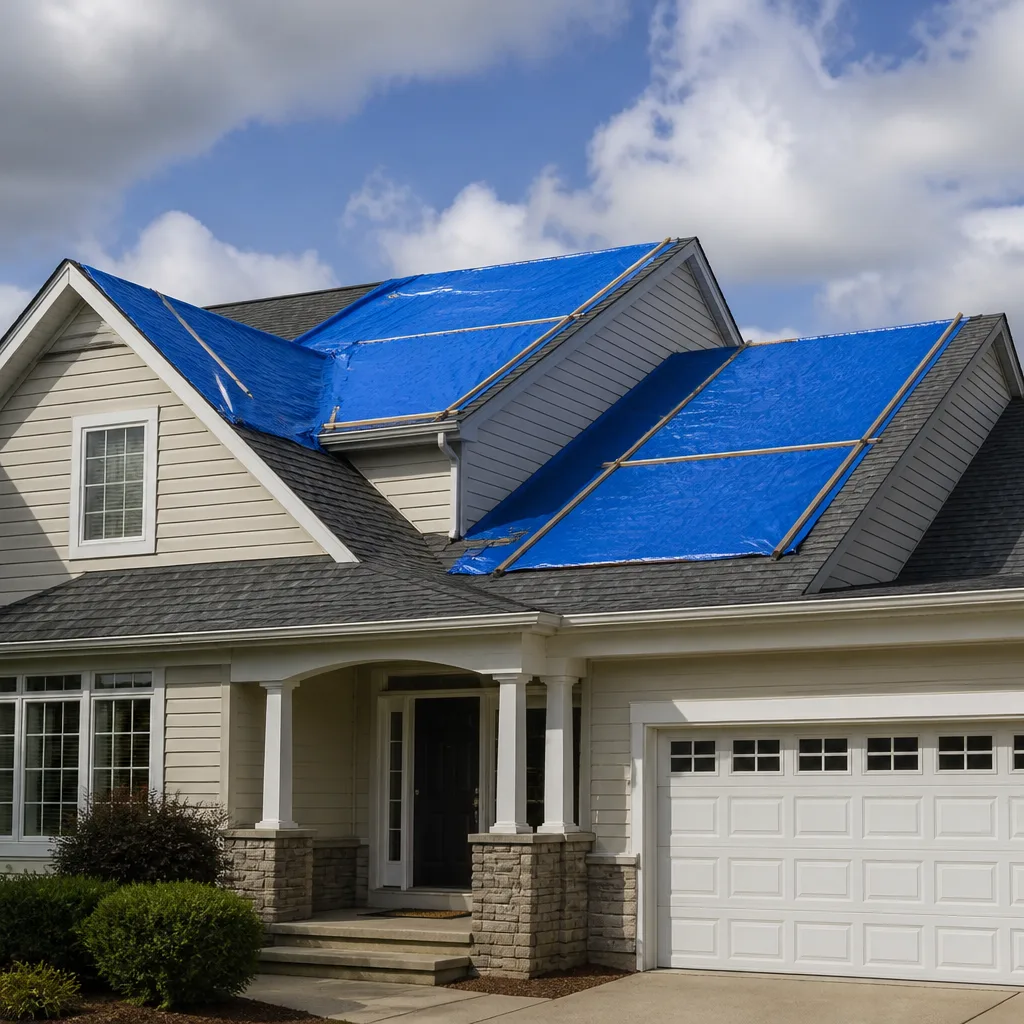
- Roof tarping: $350 to $800 for a standard Orlando home, depending on roof pitch and accessibility. Steep tile roofs common in newer Orlando subdivisions like Lake Nona or Baldwin Park cost more than low-slope shingle roofs.
- Board-up for broken windows or doors: $150 to $400 per opening, including the lumber and labor.
- Emergency water extraction after roof penetration: $800 to $2,500 for a typical single-room intrusion, before drying equipment is set.
After the storm passes, the rebuild begins, and this is where storm restoration costs diverge from water-only jobs. A roof replacement on an Orlando single-family home in 2026 runs $12,000 to $22,000 on average, with tile roofs on the high end and architectural shingle on the low end. Drywall and insulation replacement in a ceiling cavity that got soaked during the storm adds $2,800 to $5,500 per affected room. The total cost of a significant storm event, roof plus interior water damage plus mitigation, routinely lands between $18,000 and $45,000 in Orlando homes.
One thing to understand about storm restoration in Florida: the insurance claim process moves slower after a major storm because adjusters are overwhelmed with volume. A claim filed after Hurricane Milton took two to three weeks for the initial adjuster visit in some Orlando ZIP codes. Having a restoration contractor who can document the damage immediately and communicate with the adjuster when they finally arrive makes a real difference in settlement speed. For storm damage restoration in Orlando, get photos before you move anything, and get the tarp on within 48 hours. Insurance policies require reasonable mitigation to prevent further damage, and waiting in line for an adjuster while rain keeps entering the house creates a coverage problem.
Common Mistakes to Avoid
- Waiting to call because you’re worried about the cost. Every hour of standing water expands the affected area and pushes the job into a higher cost bracket in Orlando’s humidity. Most reputable restoration companies, including Marsh Water Damage Orlando, provide free estimates. The call costs nothing; the delay costs real money.
- Accepting the first insurance offer without line-item review. Adjuster estimates are built from software averages that frequently miss Orlando-specific pricing on labor, materials, and the longer drying cycles this climate demands. A line-item review with a contractor who does supplements daily can add thousands to your settlement.
- Hiring a contractor who doesn’t classify the water first. Water category drives everything: equipment, containment, disposal, and price. A contractor who starts pulling carpet before asking where the water came from is guessing at your job.
- Signing a time-and-materials contract with no not-to-exceed cap. The cap protects you from the classic restoration surprise: a contractor who discovers the problems only after the meter is running and the drywall is open. Get the cap in writing.
- Pulling drying equipment early to save a few hundred dollars. In Orlando’s humidity, removed equipment means moisture returns, and you’ve just bought a mold problem for significantly more than the drying days would have cost.
- Choosing a contractor without verifying who’s actually coming to your door. This is the person entering your home while you’re at work or alone with kids. Ask whether the technician is background-checked and whether you’ll know their name and see their photo before they arrive.
- Assuming your deductible is the only out-of-pocket cost. The depreciation holdback on an RCV policy means you front money until the rebuild is documented. Budget for it, and negotiate the restoration contract with that cash-flow reality in mind.
When to Call a Professional
Some water problems are DIY-solvable: a small puddle under the sink that you catch immediately, a wet bath mat, a spill you wipe up in minutes. Everything else calls for a professional, and the threshold is lower in Orlando than in drier states. If water has been standing for more than a few hours, if it touched drywall or baseboards, if it came from a sewage source, if you smell mustiness that doesn’t go away, or if your ceiling is staining or sagging, call. The equipment a professional brings, commercial-grade extractors from Dri-Eaz and Phoenix, air movers and dehumidifiers sized for structural drying, not floor drying, is the difference between a $3,000 cleanup now and a $12,000 mold remediation in six months. Marsh Water Damage Orlando offers free estimates in Orlando, call (850) 446-8938, and a live person answers 24 hours a day.
Frequently Asked Questions
Most Orlando water damage restoration projects cost between $2,800 and $7,500 for a single room, with per-square-foot rates of $3.50 to $9.00 depending on water category and drying duration. Larger multi-room jobs can reach $15,000 to $30,000 or more. Call (850) 446-8938 for a written estimate specific to your home.
Insurance typically covers restoration up to your policy limits, minus your deductible and any depreciation holdback on ACV/RCV policies. The final amount you receive depends on supplemental negotiations with the adjuster, which is where photo documentation and a contractor who works with insurers makes the difference.
In the Orlando market, most established restoration companies can have a technician on site within one to two hours of your call for water damage emergencies. Marsh Water Damage Orlando answers calls with a live person 24 hours a day, seven days a week, including holidays, and dispatches from local Orlando locations, not a national call center.
Household fans and open windows cannot remove the moisture that has soaked into drywall, baseboards, and subflooring. In Orlando’s humidity, surface drying leaves concealed moisture behind, and mold growth begins within 24 to 48 hours. Professional drying uses dehumidifiers and air movers sized for structural drying, with moisture meters verifying the structure is dry before equipment comes out.
The 365-Day Done Right Promise is Marsh Water Damage Orlando’s printed guarantee: if a repair is not right within a full year, we make it right. It includes a free second visit if the repair fails, automatically, without the homeowner having to argue for it. The promise is printed on every work order.
Marsh Water Damage Orlando applies the Threshold Verified standard to every visit. Each technician is background-checked, identity-verified, uniformed, and photo-badged. Before the visit, you receive the technician’s name and photo, and they show a photo ID badge at the door. Every time, no exceptions.
The Bottom Line
The restoration cost number that matters in Orlando is not the first quote you hear, and it’s not the adjuster’s first offer. It’s the final, documented number after the drying cycle completes, the supplements get negotiated, and the depreciation holdback gets released. A typical Orlando homeowner should expect a residential water claim to settle in the $3,500 to $15,000 range for mitigation before rebuild, with Orlando’s humidity adding 20 to 30 percent to equipment costs compared to national averages. The most consequential decisions come before work starts: getting a written price, understanding the water category, and knowing who is walking through your door. Get those three right, and the rest is manageable.
Written by Tobias Reyner, Owner at Marsh Water Damage Orlando, serving Orlando since 2005.
See the difference
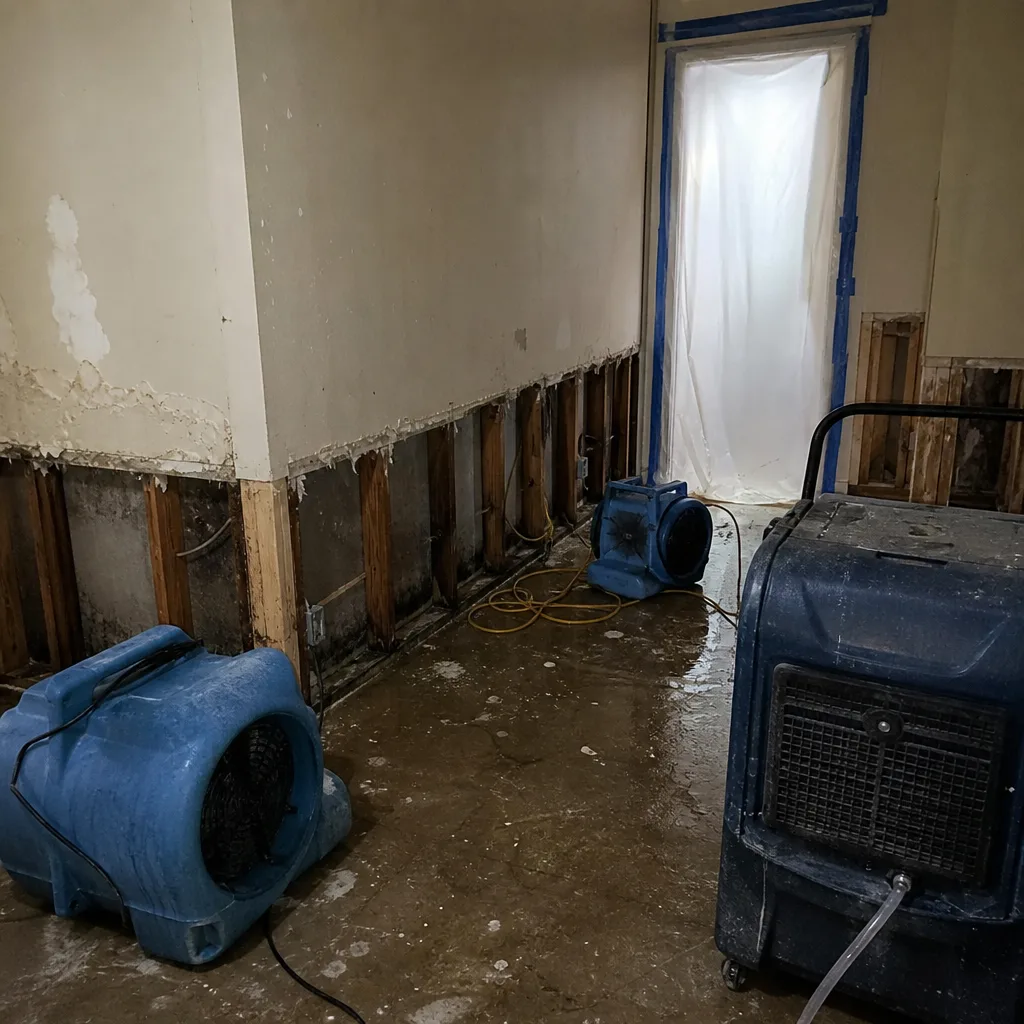 Before
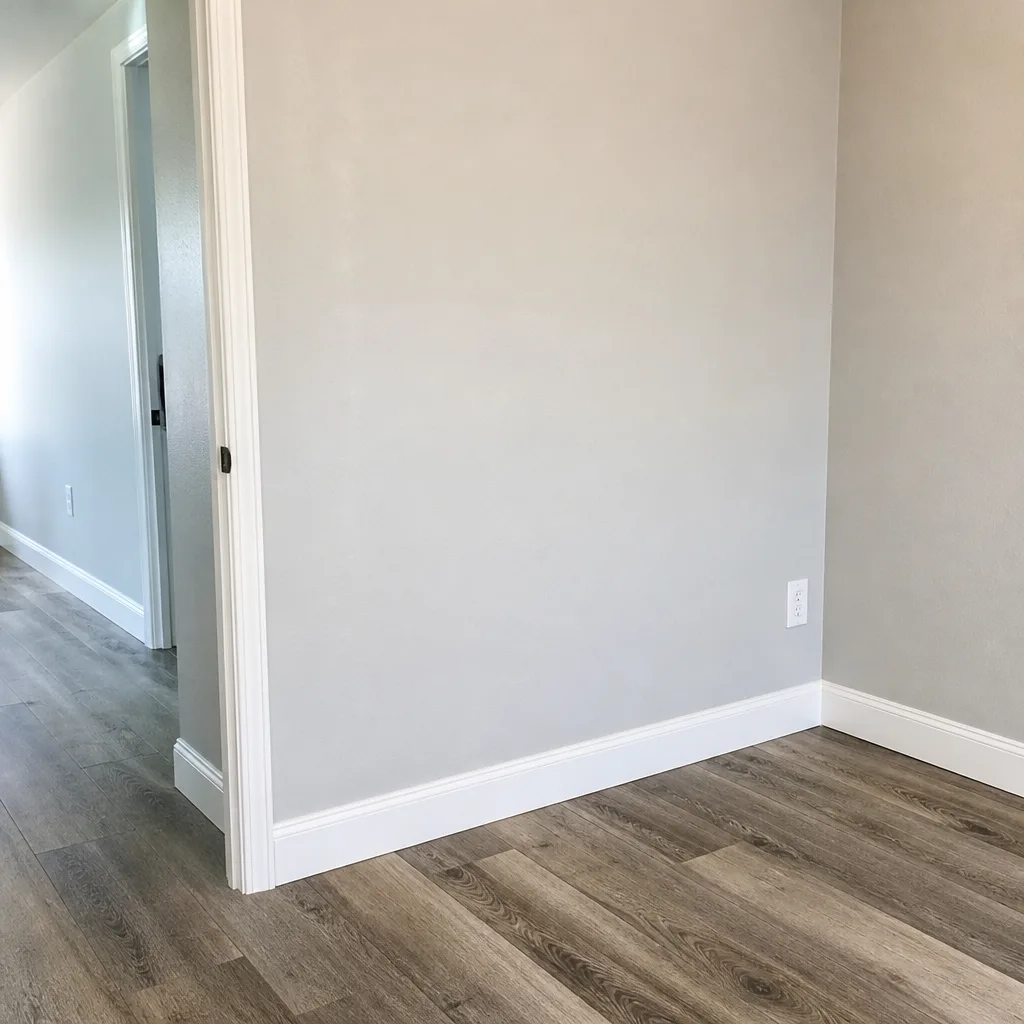 After
After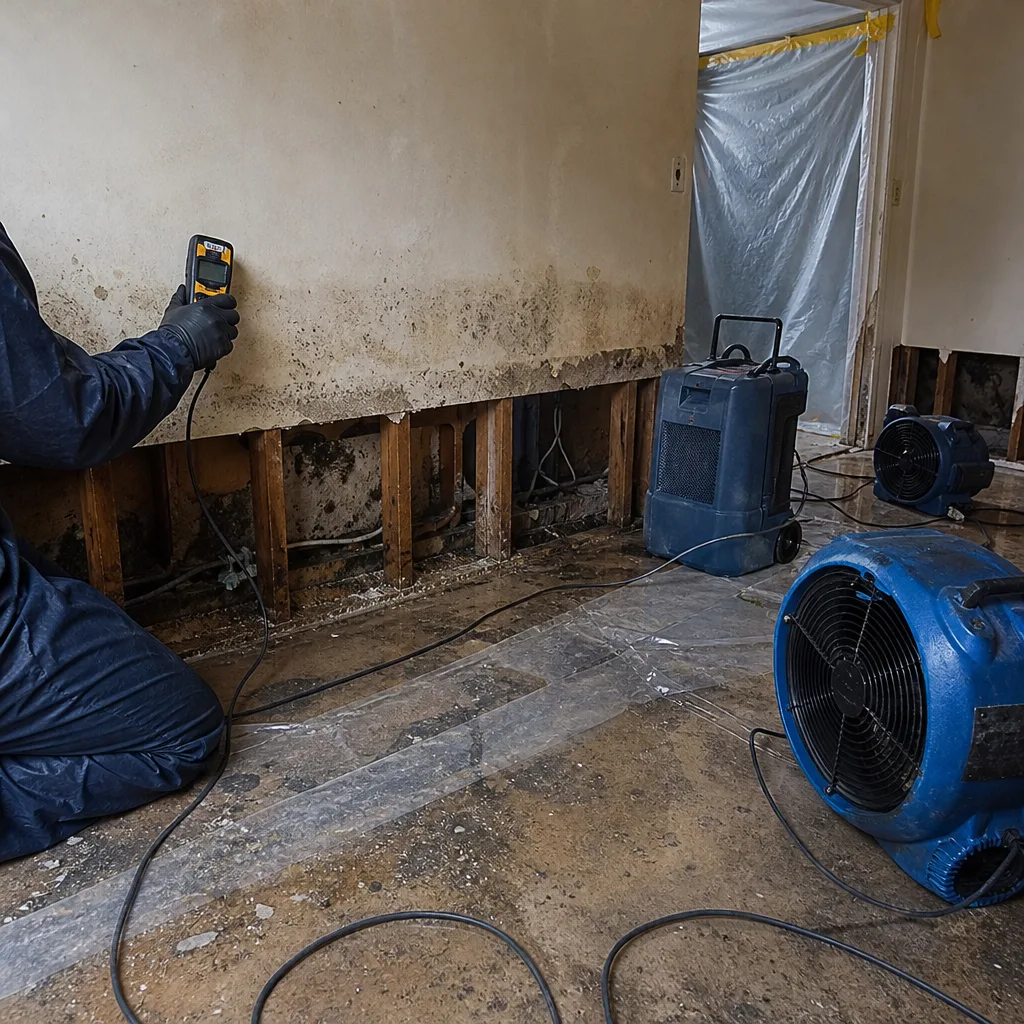 Before
 After
After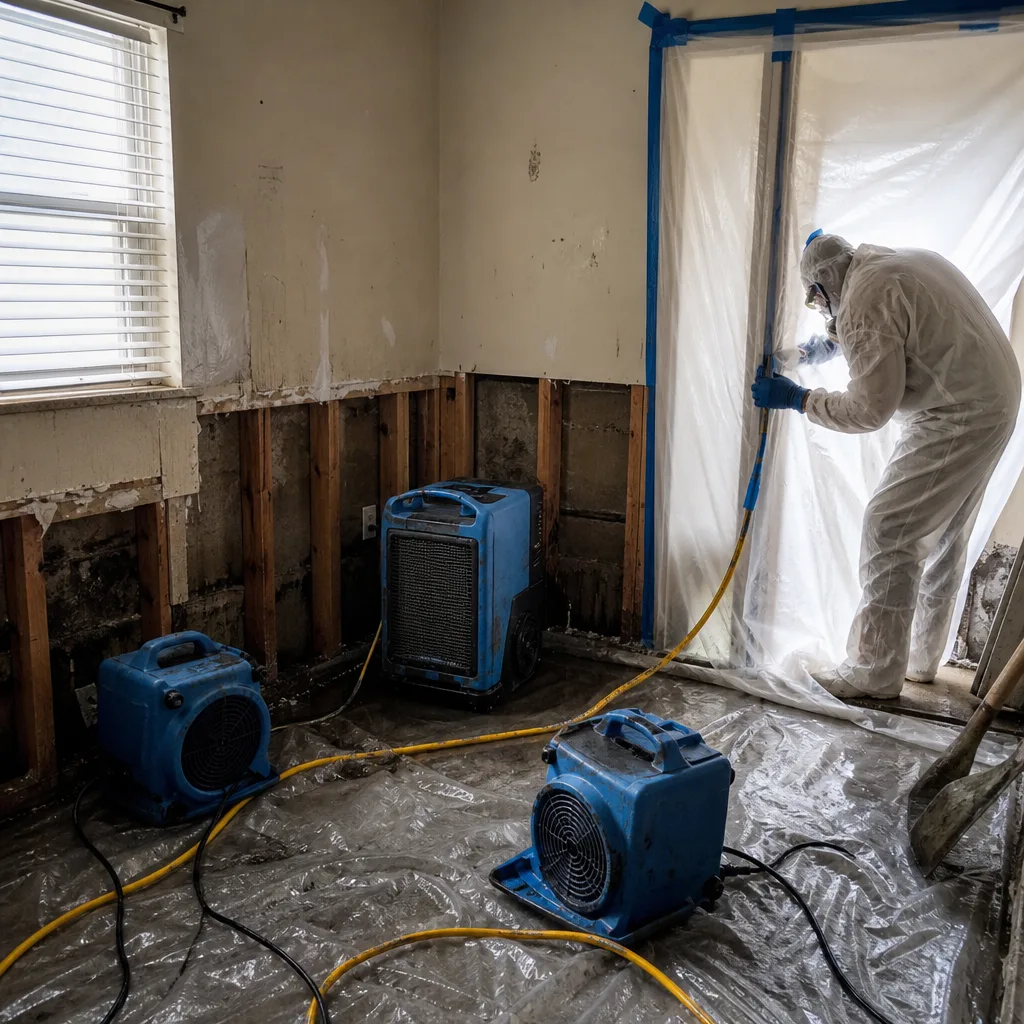 Before
 After
After