

 Water damage drying
 Fire & smoke cleanup
 Mold remediation
 Storm response
 Sewage cleanup
 Reconstruction
Free visual inspection and a written scope of work before any mitigation begins - photos, moisture readings, and drying logs go in your claim file
The scope we write is the scope we bill. Anything new gets shown to you, in writing, before we touch it.
Get your free estimateFast, Reliable Storm Damage Restoration Across Pine Hills
When a summer thunderstorm tears through Pine Hills, the damage moves fast. Water pushes under doors, through aging flat roofs, and up through slab foundations before you’ve even found the flashlights. Most storm damage restoration calls in Pine Hills run between $1,800 and $4,200 for a typical single-room intrusion, with full-home flood restoration in the $6,000 to $14,000 range depending on how far the water traveled. Our crews reach most Pine Hills neighborhoods within 45 to 60 minutes of your call, because every hour that water sits inside concrete block, the harder and more expensive the fix becomes. Call (850) 446-8938 day or night and a live person answers, not a voicemail queue.
We know Pine Hills housing. We know the 1950s-to-1970s block homes off Pine Hills Road and Silver Star Road, the flat roofs that puddle after heavy rain, and the way standing water on local streets backs up against slab foundations. That local knowledge means we don’t just dry the surface and leave. We check the block itself.
Why Marsh Water Damage Orlando Is Pine Hills’s Preferred Storm Damage Restoration Company
We’ve answered Pine Hills storm calls for years. Homeowners here call us because we explain what happened, what it costs, and exactly who is walking through the door before the visit. Every technician we send to Pine Hills is Threshold Verified: background-checked, identity-verified, and sent to you by name and photo before we arrive. The badge gets shown at the door, every time, no exceptions. That matters when you’re letting strangers into a damaged home at 10 p.m. after a storm.
Our Pine Hills response runs on the same standard we’ve held since 2005, the year Marsh Water Damage Restoration was founded as part of the Threshold Group family. The technical team carries IICRC, RIA, and IFA credentials, and we run Dri-Eaz, Phoenix, and XPOWER equipment matched to the scale of the job. After a July storm flooded a 1960s block home off Pine Hills Road, our techs found the slab had wicked water up into the concrete walls behind the baseboards. Using Dri-Eaz air movers and Injectidry floor mats, we set containment and ran structural drying with moisture readings logged every 12 hours until the blocks hit pre-loss condition, then applied antimicrobial treatment to the stud pockets. That’s not theory. That’s how we work in Pine Hills.
Tobias Reyner, who leads our restoration team, insists on one thing on every Pine Hills job: a written price before any work begins. No estimate that balloons after demo starts. No surprises once walls are opened. The written price and the written 365-Day Done Right Promise are stamped on every work order, and if the repair isn’t right within a year, we make it right, free second visit included.
Restoration work we handle
Flooded House in Pine Hills
A flooded house in Pine Hills usually means several inches of stormwater across floors, saturated carpet or tile, and wicking starting up into concrete block walls. We see it in the neighborhoods around Lake Orlando and Rosemont after intense afternoon downpours when street drains back up and water pushes past door thresholds. Standard flooded house restoration in Pine Hills runs $3,500 to $8,000 for a single-story home, including extraction, containment, drying equipment, and moisture mapping of the affected rooms.
The first job is removing standing water with truck-mounted extraction and high-volume pumps, then mapping how far moisture has traveled into walls and the slab. In Pine Hills block homes, water hides behind baseboards and inside wall cavities long after the floor looks dry. We don’t stop at sucking up the water and placing fans. We track the moisture through the masonry and document readings until the structure genuinely returns to pre-loss condition.
Water Extraction and Structural Drying
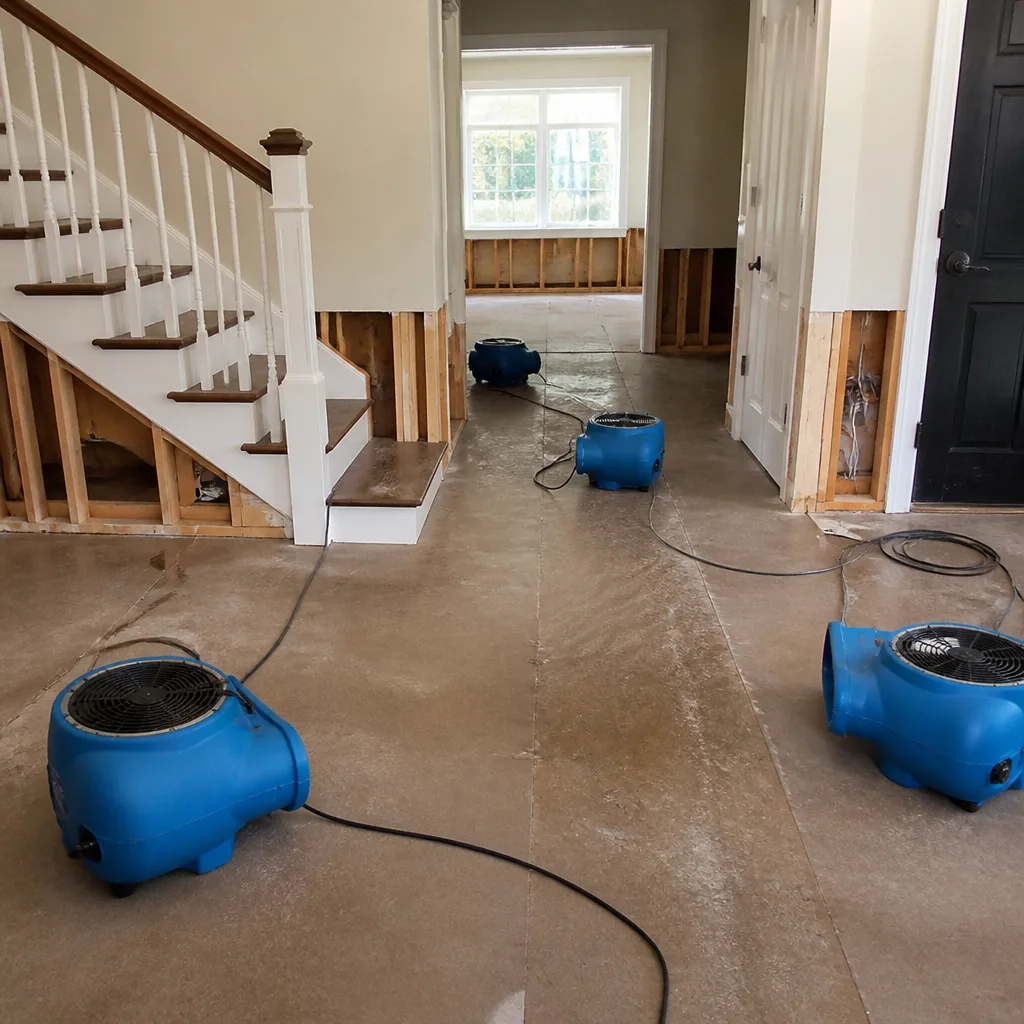
We pull water out with extraction equipment rated for storm volumes, then set up containment so drying isn’t fighting the humidity Pine Hills carries all summer. Air movers and commercial dehumidifiers run continuously, with psychrometric readings (measuring the moisture in the air) to confirm drying progress. In block homes, we often insert drying mats and wall-cavity systems to draw water out of the masonry itself.
Mold Prevention and Antimicrobial Treatment
Pine Hills’s summer heat and humidity mean mold can start inside walls within 48 to 72 hours of a soaking. After extraction and drying, we treat affected wall cavities, stud pockets, and masonry surfaces with antimicrobial products before any reconstruction begins. This isn’t an upsell. In a block home, skipping this step means opening those walls again in six months.
Flood Restoration in Pine Hills
Flood restoration in Pine Hills goes further than emergency water extraction. It covers the cleanup, drying, decontamination, and rebuilding work needed to return a storm-damaged home to living condition. Full flood restoration after a Pine Hills storm typically runs $6,000 to $14,000 depending on square footage, how long water sat, and whether drywall, flooring, or cabinetry needs replacement. The goal isn’t just a dry house. It’s a house you can live in safely.
Older Pine Hills block homes have a specific vulnerability: the concrete walls hide water migration far longer than framed drywall would. The masonry wicks moisture upward from the slab and inward from storm-soaked exterior walls, and by the time you see staining on interior finishes, the problem has been moving through the block for days. That’s why our Storm Damage Restoration team always moisture-maps the block itself, not just the drywall face.
Drywall Removal and Controlled Demolition
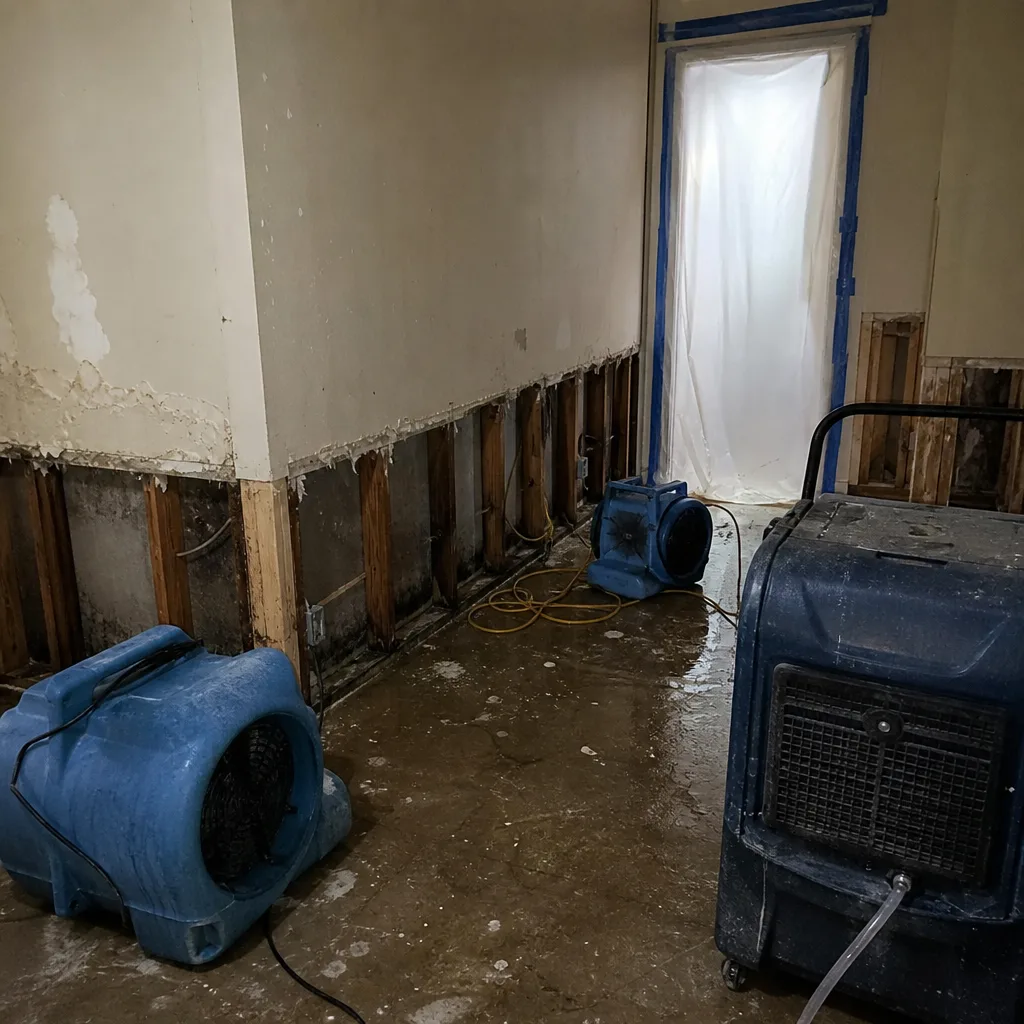
When storm water entered through a flat roof or backed-up threshold, the lower sections of drywall often can’t be saved. We cut flood cuts at the right height, remove saturated insulation and baseboards, and expose the stud cavities for drying and treatment. Controlled demolition keeps the rest of the home protected and prevents spreading contaminants into dry areas.
Reconstruction and Material Replacement
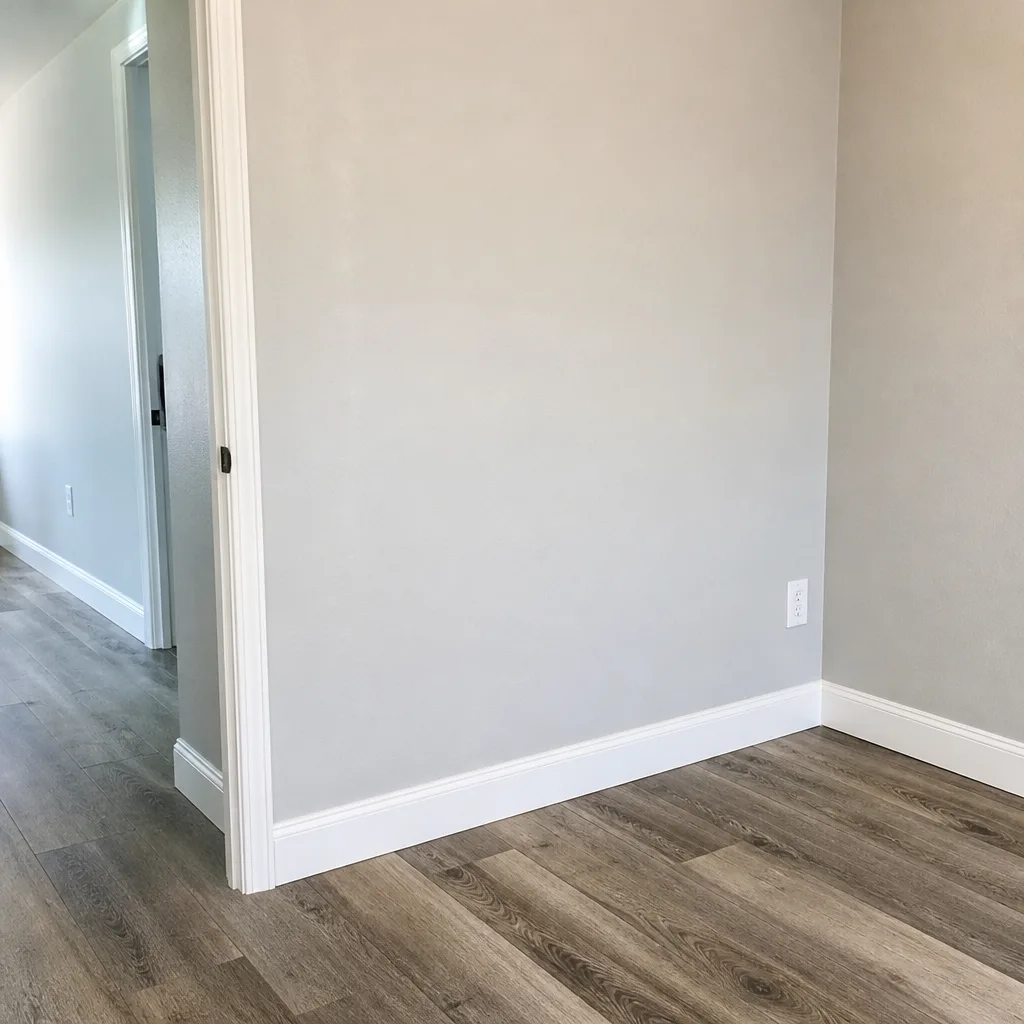
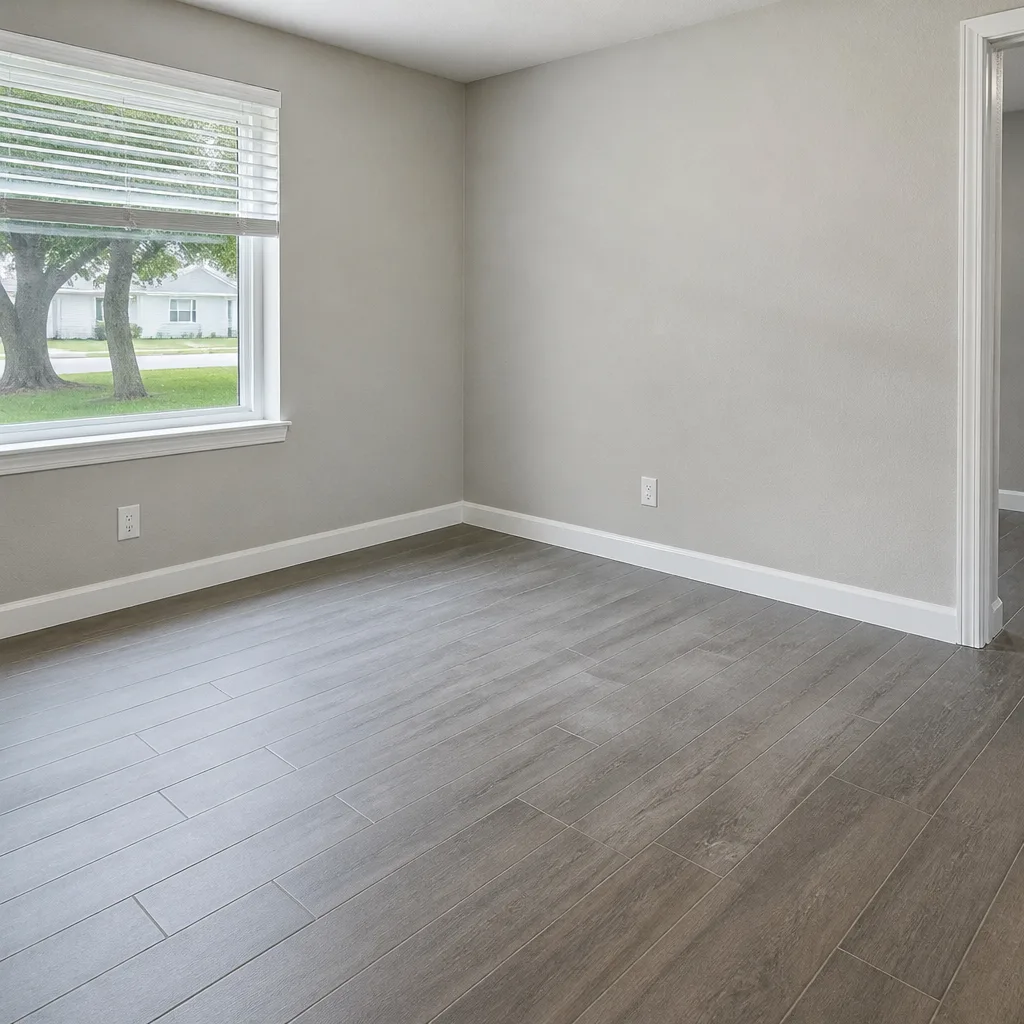
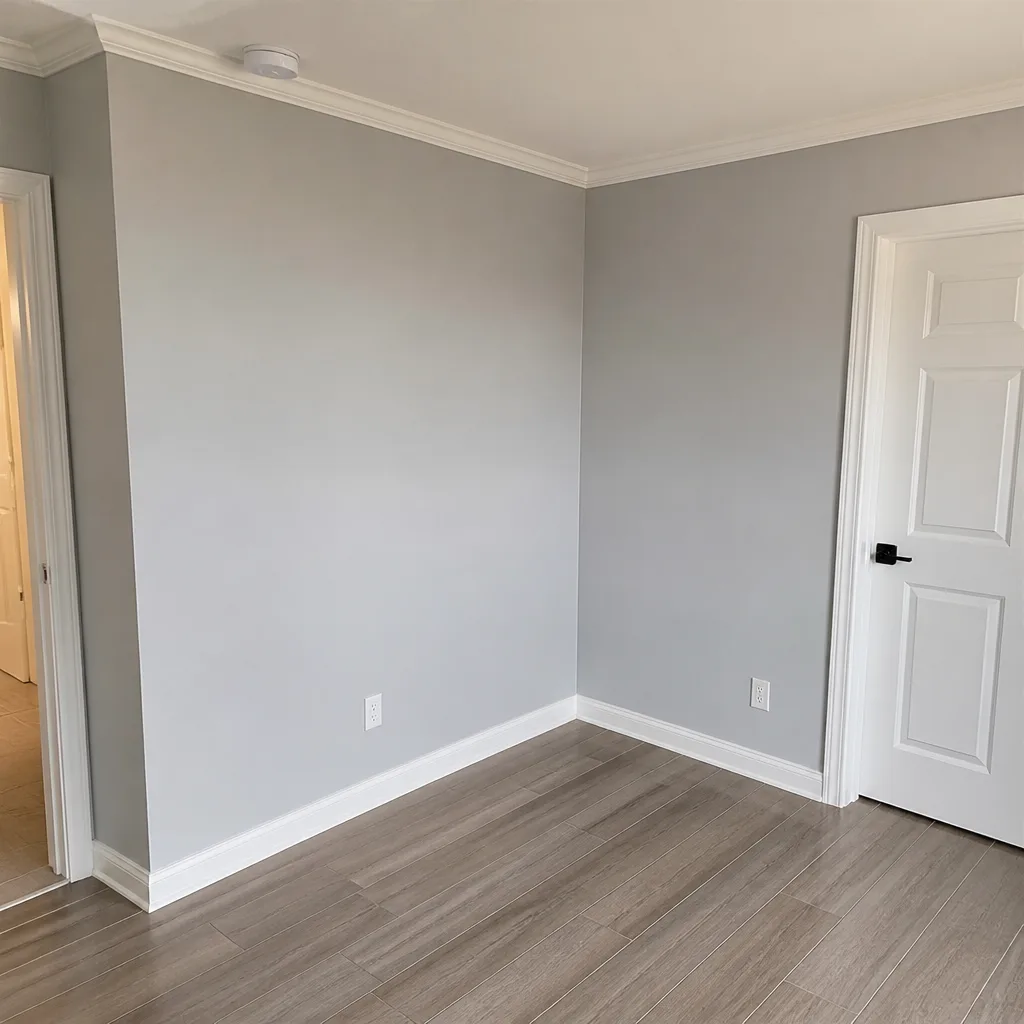
After the structure is dry and the moisture readings are documented, we rebuild. Drywall, insulation, baseboards, and flooring go back in, and we match finishes as closely as possible to the original. In Pine Hills’s older homes, we often coordinate with local suppliers to source materials that fit mid-century floor plans and trim profiles, so the restoration doesn’t look like a patch job.
Trusted Brands We Service in Pine Hills
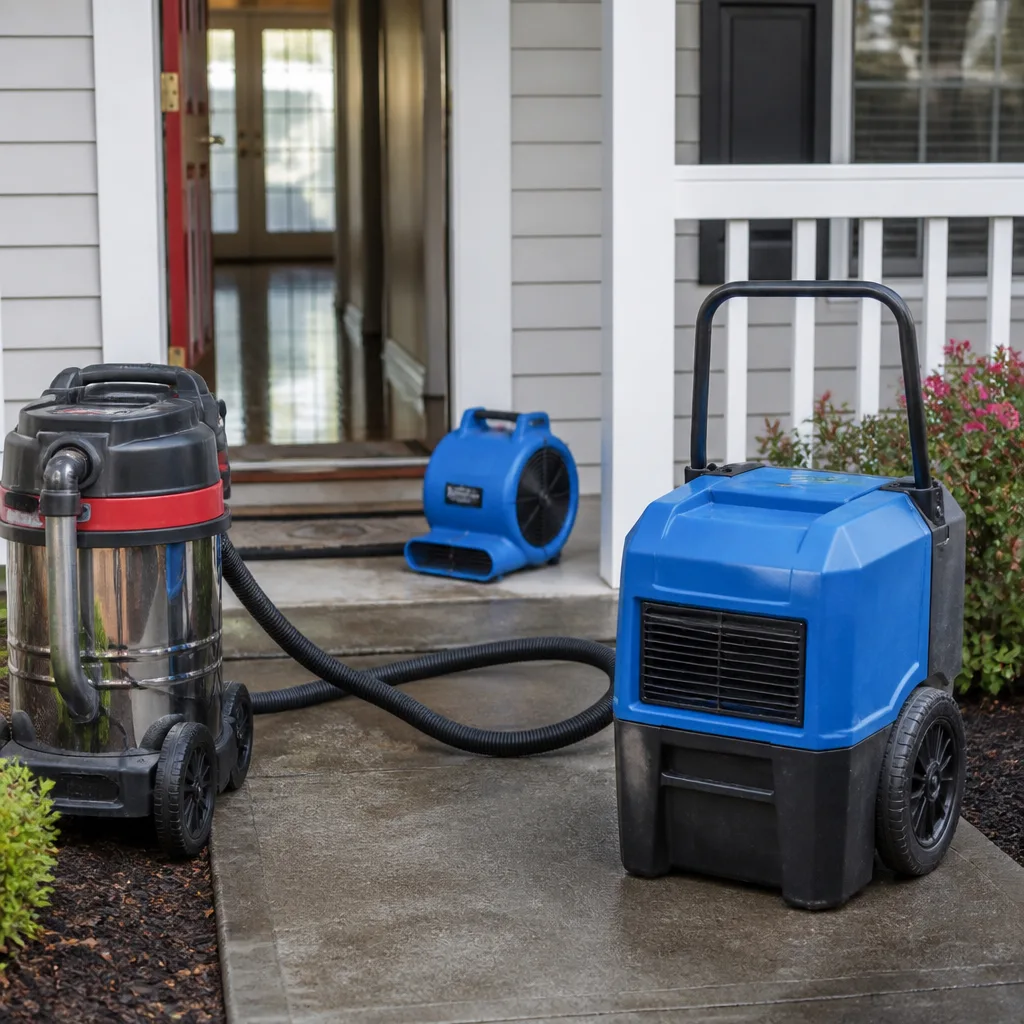
We run XPOWER air movers, B-Air dehumidifiers, and Injectidry drying systems on Pine Hills jobs because these are the same machines used on large commercial losses, applied to your living room. Our techs service and maintain this equipment so it performs when a storm hits, and we keep replacement parts and filters stocked for fast turnaround on local jobs. That means when we set drying equipment in your home, it stays running until the job is done, not until the nearest supply house opens on Monday.
See the difference
 Before
 After
After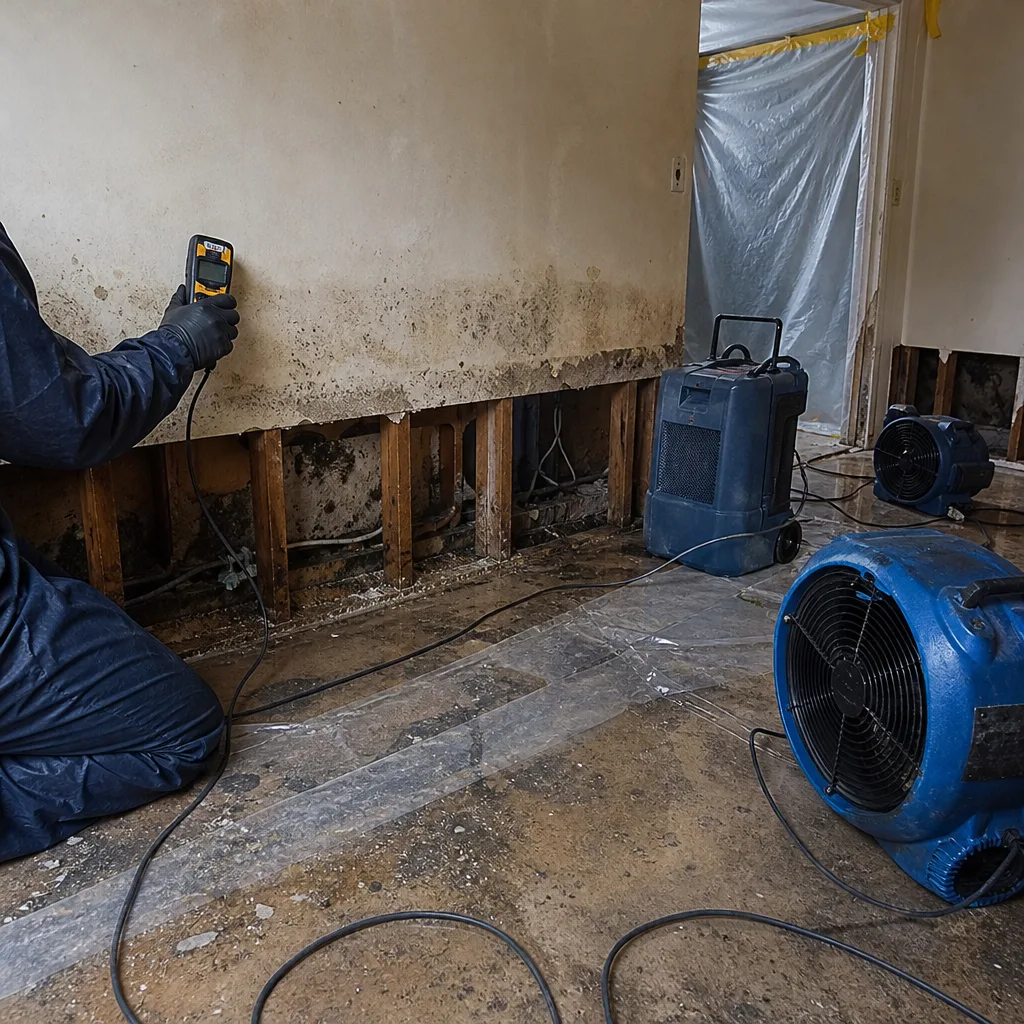 Before
 After
After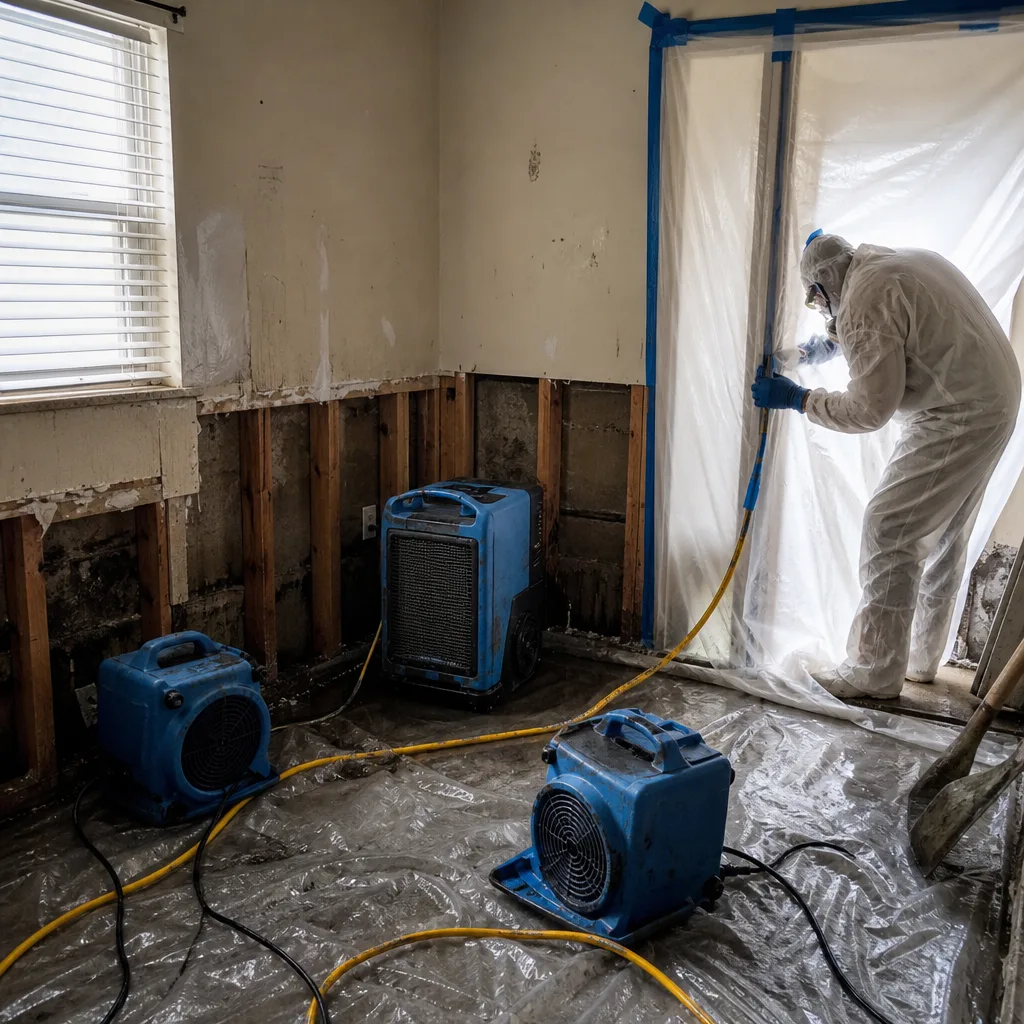 Before
 After
AfterCommon Storm Damage Restoration Problems We See in Pine Hills Homes
- Water trapped inside concrete block walls. Pine Hills’s 1950s-to-1970s homes have thick masonry walls that absorb water from the slab up and from rain-soaked exteriors inward. The interior drywall can look fine while the block behind it stays wet for weeks. Moisture mapping the block itself catches this before mold grows.
- Flat and low-slope roof leaks re-wetting interiors. Many original Pine Hills homes still have flat or nearly flat roofs. After heavy rain, water ponds and works through worn seams and flashing, soaking ceiling cavities and walls. Drying only the interior while the roofing stays saturated means the same room gets wet again with the next storm.
- Standing street water against slab foundations. After intense downpours, streets in older Pine Hills neighborhoods hold water that seeps against and under slab foundations. The concrete wicks that moisture upward into walls and flooring. Restoration here must address the slab, not just the puddle inside the front door.
- Quick DIY fixes that trap moisture behind paint. Painting over wet concrete block without drying the masonry first seals moisture inside the wall cavities. We regularly open walls in Pine Hills where a previous quick fix trapped water and fed hidden mold for months. Drying first, then painting, is the only sequence that works here.
Pricing for Storm Damage Restoration in Pine Hills, FL
Here are real ranges for Pine Hills storm damage work, so you know what to expect before you call. A flooded single room with extraction and drying runs $1,800 to $3,500. Flooded house restoration across a typical 1,200-to-1,600-square-foot block home runs $3,500 to $8,000. Full flood restoration with drywall removal, structural drying, antimicrobial treatment, and reconstruction runs $6,000 to $14,000. What moves the price in Pine Hills is how long water sat before we arrived, how far moisture traveled into block walls, and whether flooring or cabinetry needs replacement. Every estimate is free, and every price is written before work starts.
We Also Serve Cities Near Pine Hills
Marsh Water Damage Orlando provides Storm Damage Restoration in Pine Hills and the surrounding Central Florida communities, including Orlando, Kissimmee, Clermont, and Sanford. If your home is outside Pine Hills proper, call (850) 446-8938 and we’ll confirm service to your street. Dispatch is coordinated from our South Florida office, but crews are stationed to serve Pine Hills and nearby areas directly.
Serving Pine Hills, FL - Our Local Coverage Area
We’re based in the Pine Hills area and know this community well. Use the map below to see our service coverage - if you’re nearby, we can almost certainly help.
FAQs About Storm Damage Restoration in Pine Hills
Concrete block hides water because it doesn’t show staining the way drywall does, and it wicks moisture upward from the slab and inward from soaked exteriors slowly over days. In a newer framed home, water soaks through drywall and shows itself quickly. In a Pine Hills block home, the wall can look dry on the surface while the masonry behind it stays saturated, which is why we moisture-map the block itself on every storm job. If you suspect water got into your walls, call (850) 446-8938 and we’ll check the block, not just the paint.
Mold can begin in 48 to 72 hours when Pine Hills humidity and warm temperatures are working against you, especially inside dark wall cavities and behind baseboards where moisture lingers. In block homes, the masonry holds that moisture longer, extending the window where mold can take hold. Fast extraction and structural drying in the first 24 hours is the single best prevention, and we treat affected cavities with antimicrobial products after drying.
Often yes, especially if the water soaked ceiling drywall, wall cavities, or insulation. Drywall that has absorbed storm water loses strength and becomes a mold host, and in Pine Hills block homes, the wet masonry behind that drywall needs direct drying access anyway. We make flood cuts only where needed and document the damage with photos for your insurance claim before any material comes out.
Street water against a slab foundation migrates through concrete and upward into walls. We check for this by moisture-mapping the slab and lower walls near the entry points, then set extraction and drying to pull water out of the concrete itself, not just the surface. In older Pine Hills neighborhoods where standing street water is common after heavy rain, we recommend inspecting the slab edges and lower wall cavities even if the interior looks dry.
Category 1 rainwater is relatively clean water from the sky. Category 3 storm backup is contaminated water from sewage or street runoff that carries bacteria and requires full decontamination, not just drying. In Pine Hills, where street drains can back up into yards and against foundations, we determine the water category before deciding what gets dried, what gets removed, and what gets treated with antimicrobials. Call (850) 446-8938 and we’ll tell you exactly which situation you have and what it costs to fix.
If your Pine Hills home has taken storm water, don’t wait. Every hour that water sits in concrete block makes the damage harder and more expensive to reverse. Call (850) 446-8938 now for a free estimate, a written price before anything starts, and the name and photo of the technician coming to your door.
Written by Tobias Reyner, Owner at Marsh Water Damage Orlando, serving Pine Hills and Central Florida since 2005.