
 Water damage drying
 Fire & smoke cleanup
 Mold remediation
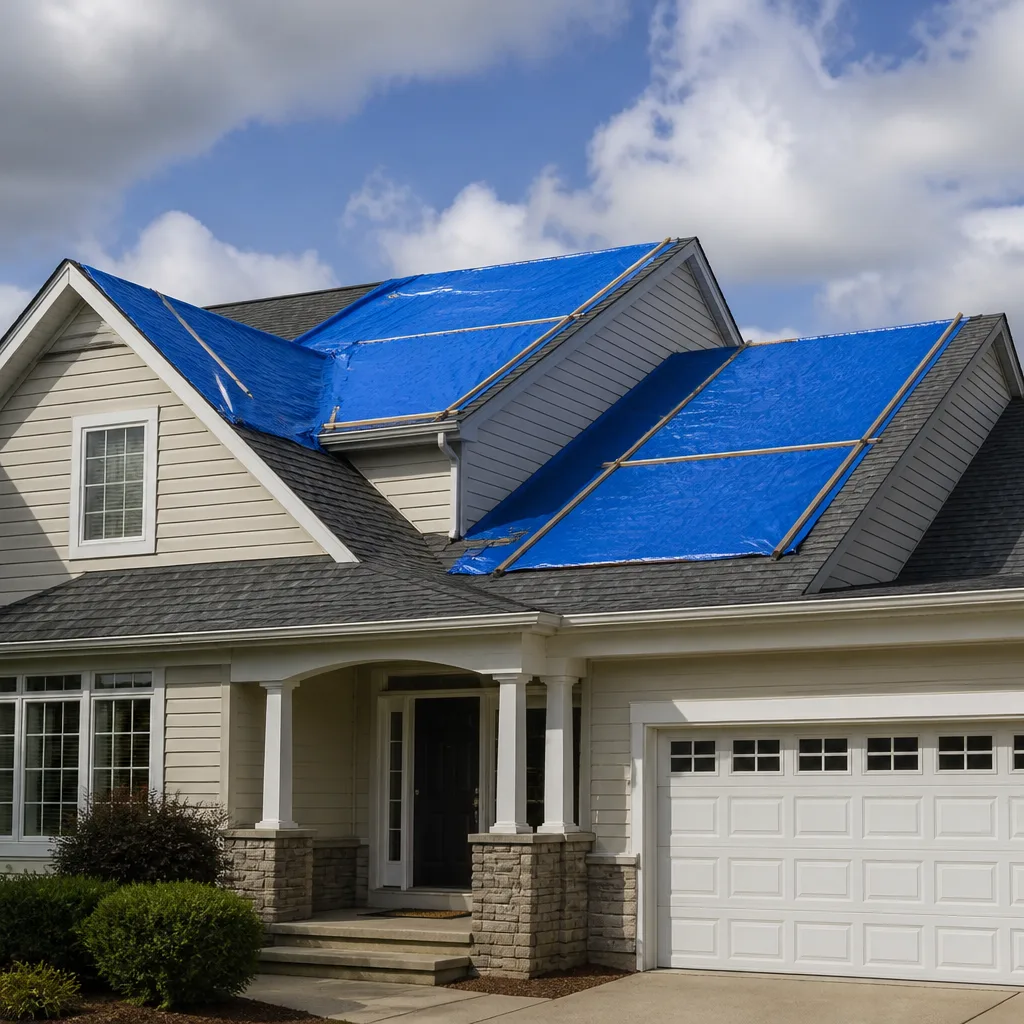 Storm response
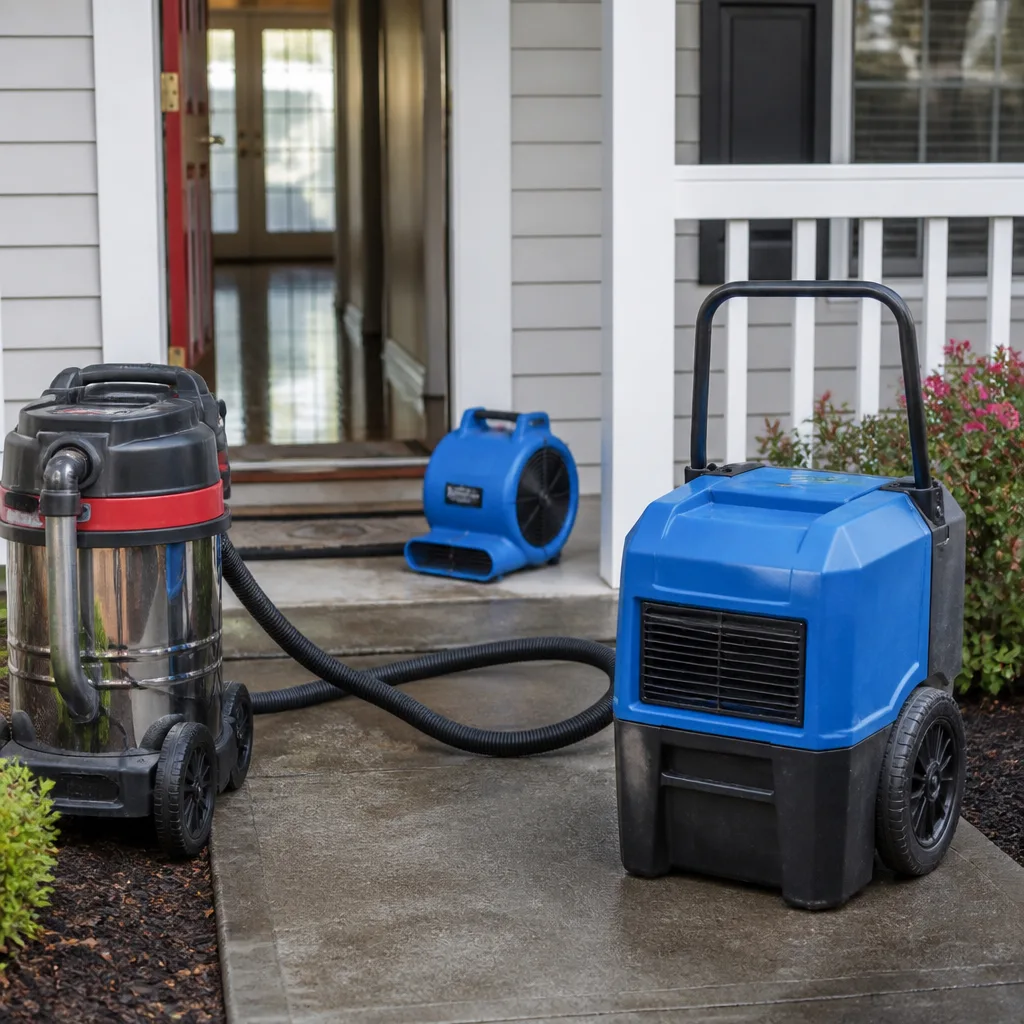 Sewage cleanup
 Reconstruction
Free visual inspection and a written scope of work before any mitigation begins - photos, moisture readings, and drying logs go in your claim file
The scope we write is the scope we bill. Anything new gets shown to you, in writing, before we touch it.
Get your free estimateFast, Reliable Water Damage Restoration Across South Apopka
If you’re standing in a flooded hallway in South Apopka right now, here’s the short answer: call (850) 446-8938 and a live person answers. South Apopka homes sit on a high water table from the Wekiva River basin, which changes how we dry them. Most residential water extractions here run between $1,200 and $3,800 before drying equipment goes in, and structural drying in South Apopka typically takes a day or two longer than in Orlando or Sanford because the slab keeps wicking moisture from below. We know the 32703 zip code well, from the older ranch homes off Piedmont-Wekiwa Road to the newer stucco subdivisions near the Apopka Airport. Our Water Damage Restoration team gets to South Apopka within about 45 minutes most days, and we bring the same commercial drying tools the big franchises use.
Why Marsh Water Damage Orlando Is South Apopka’s Preferred Water Damage Restoration Company
We’ve been doing Water Damage Restoration in South Apopka long enough to know that no two houses here fail the same way. A 1970s split-level on a slab is going to dry differently than a 2005 two-story on the same street. What South Apopka homeowners tell us they want most is the same thing we’d want: a name and a face before the door opens. That’s the Threshold Verified standard, and it’s how we work every job. Before a technician arrives, you get their name, their photo, and a time window. When they knock, they hold up a photo ID badge. For a homeowner home alone with a toddler in the next room or an older parent uneasy about letting a crew in, that matters more than any sales pitch.
Tobias Reyner, who leads our technical team, insists on a written price before any demolition starts. Not an estimate, not a ballpark, not a handshake. A printed figure you sign off on. If that number changes for any reason, we stop and get written approval before touching another wall. That’s been our rule since 2005, and it’s stamped on every work order we leave in South Apopka.
We answer the phone with a live person 24 hours a day, 7 days a week, including Christmas morning and the middle of a hurricane watch. When you call at 2 a.m. with water coming through your ceiling, you won’t get a voicemail or a chatbot. You’ll get a person who can dispatch a South Apopka crew right then.
Restoration work we handle
Flooded Basement in South Apopka
A flooded basement in South Apopka is rarely just a storm problem, because most homes here don’t have true basements at all; what homeowners call a basement is usually a split-level’s lower floor or a room poured below grade on a slab. That means the water table from the Wekiva River basin is directly beneath the concrete, pushing moisture up even before a thunderstorm dumps two inches in an hour. We handle flooded basements by extracting standing water first with truck-mounted vacuum systems, then mapping exactly where the moisture has migrated into walls and flooring with moisture meters and thermal imaging. Most flooded basement extractions in South Apopka run $1,500 to $4,200 depending on square footage, depth of water, and whether carpet, padding, and drywall need to come out.
Longer Drying Times Below Grade
Below-grade rooms in South Apopka dry slower than anywhere else in Greater Orlando because the concrete slab sits in damp soil year-round. We don’t just set air movers and leave. We take psychrometric readings (measuring the moisture in the air and the vapor pressure of the concrete) twice daily until the numbers plateau, which in South Apopka often means five to seven days instead of three or four.
Cast-Iron Drain Backups Presenting as Floods
We see a specific failure mode in South Apopka’s older homes: cast-iron drain lines under the slab corrode in the acidic sandy soil and start seeping sewage into the lower level. The water smells faintly of sulfur, not rain. If you’ve had “storm flooding” in your lower room more than once, call us. We’ll map the source before tearing out drywall, and that typically saves thousands compared to guesswork demolition.
Water Extraction in South Apopka
Water extraction in South Apopka means removing standing water fast enough that the ever-present humidity doesn’t turn damp drywall into a mold colony within 48 hours. The region averages 70 to 80 percent relative humidity year-round, so extraction is a race. We use submersible pumps for deep water and weighted extraction wands for saturated carpet, pulling water out of the floor, the padding, and the first several inches of wall cavity where it’s already wicked upward. Most water extraction jobs in South Apopka run $900 to $2,700 when started within the first 12 hours; the same water event left over a weekend climbs quickly because saturated wood and drywall compound the scope.
Why Surface-Dry Isn’t Good Enough
In South Apopka, a floor feels dry to the touch hours before it is actually dry. The slab holds moisture and re-wets the surface over the following days, especially in summer. We don’t pull drying equipment based on touch or a quick spot reading; we take moisture mapping data from multiple depths and keep instruments running until the concrete falls below target dryness, which in this city takes longer than in neighboring Clermont or Kissimmee.
The Wekiva Water Table Effect
The high water table does something specific to South Apopka slabs: capillary action. Water rises through microscopic pores in the concrete from the damp soil below, independent of any storm event. That’s why a water extraction that removes the puddle but stops early will fail, and why we communicate before starting that structural drying here will run longer than a national franchise’s standard three-day protocol.
Trusted Brands We Service in South Apopka
When we arrive at a South Apopka home, we’re not bringing rental-store fans. We run XPOWER air movers, Dri-Eaz dehumidifiers, and B-Air filtration units, the same equipment used on commercial losses, and our techs carry IICRC and RIA credentials that matter when an insurance adjuster reviews a claim. We stock replacement parts locally so a failed dehumidifier on day four of a South Apopka dry-out gets swapped the same morning, not shipped from a warehouse in another state. Our crews also carry Injectidry systems for wall cavities and under-cabinet drying, which matters in South Apopka’s older ranch homes where plaster over concrete block traps moisture in ways newer houses don’t.
Common Water Damage Restoration Problems We See in South Apopka Homes
- Slab wicking and slow drying. The Wekiva River basin keeps groundwater high under South Apopka slabs, so moisture readings stay elevated after the visible puddle is gone. Stopping the equipment early means mold three weeks later.
- Corroding cast-iron under-slab drains. Homes built before 2000 in South Apopka commonly have cast-iron sewer lines corroded by acidic soil, and the first sign is dark staining at floor drains and a sulfur smell mistaken for stormwater.
- Wind-blown rain around single-pane windows. Older ranch homes off Piedmont-Wekiwa Road and Errol Parkway still have original aluminum-framed single-pane windows that leak during wind-driven summer storms, leaving water stains that return after every rain unless the envelope is sealed.
- Drainage failure on former agricultural land. Newer subdivisions built on old citrus groves and muck farms in South Apopka often have compacted, poorly draining soil that sends sheet flow toward foundation walls during heavy storms, flooding lower rooms from outside rather than from a pipe.
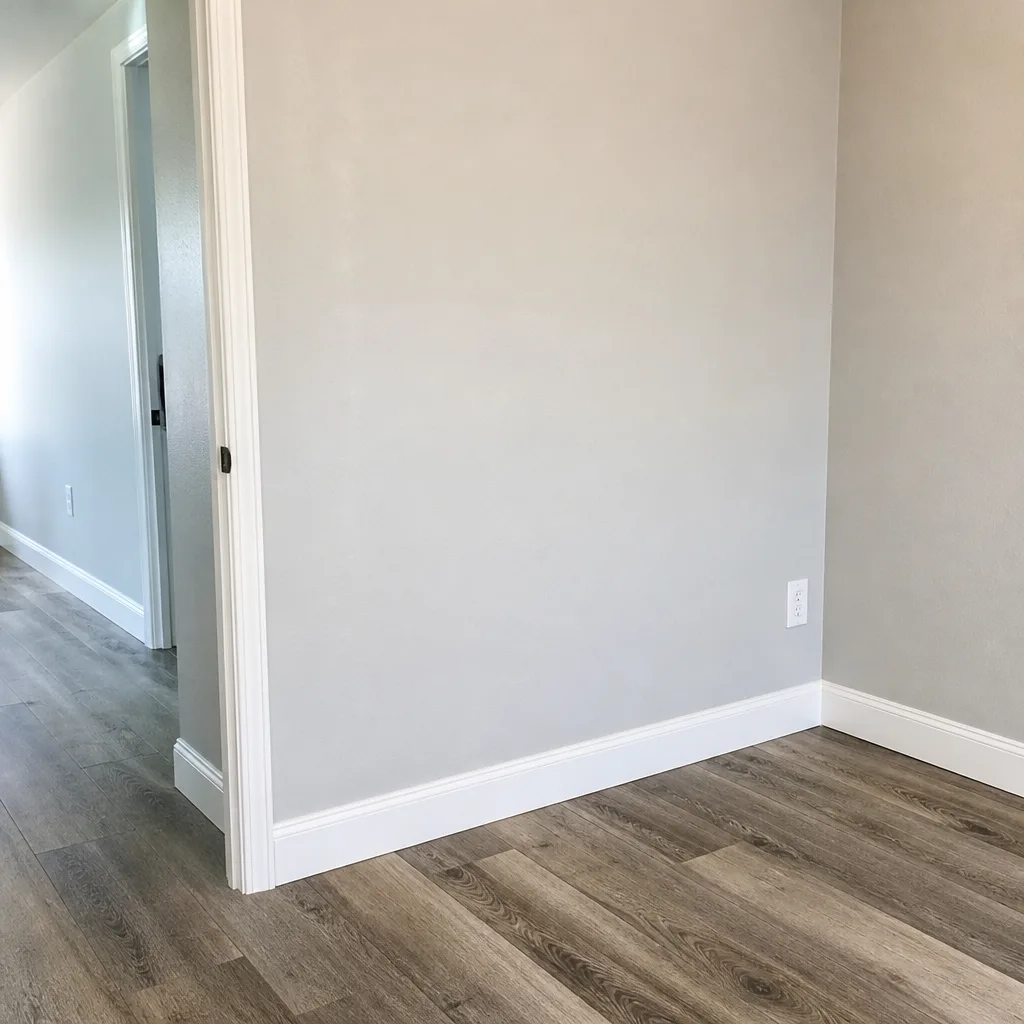
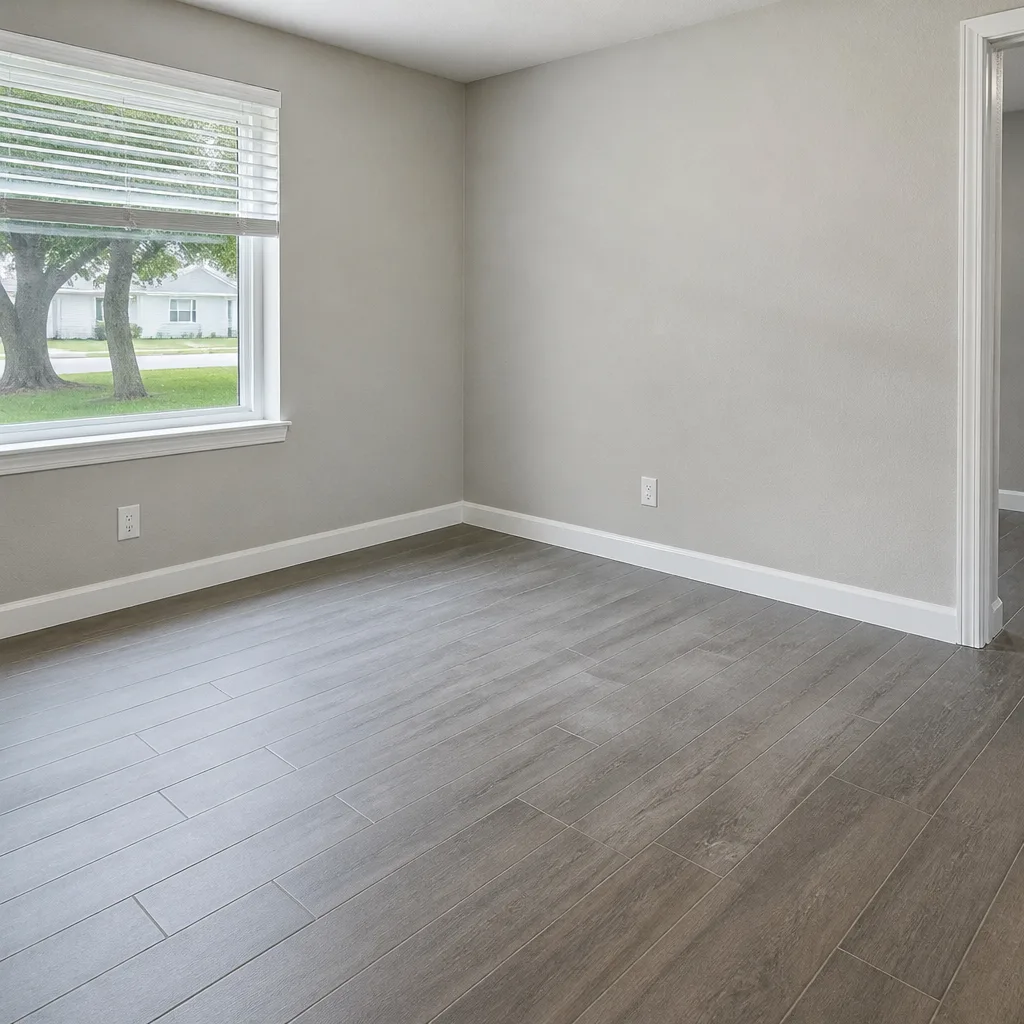
See the difference
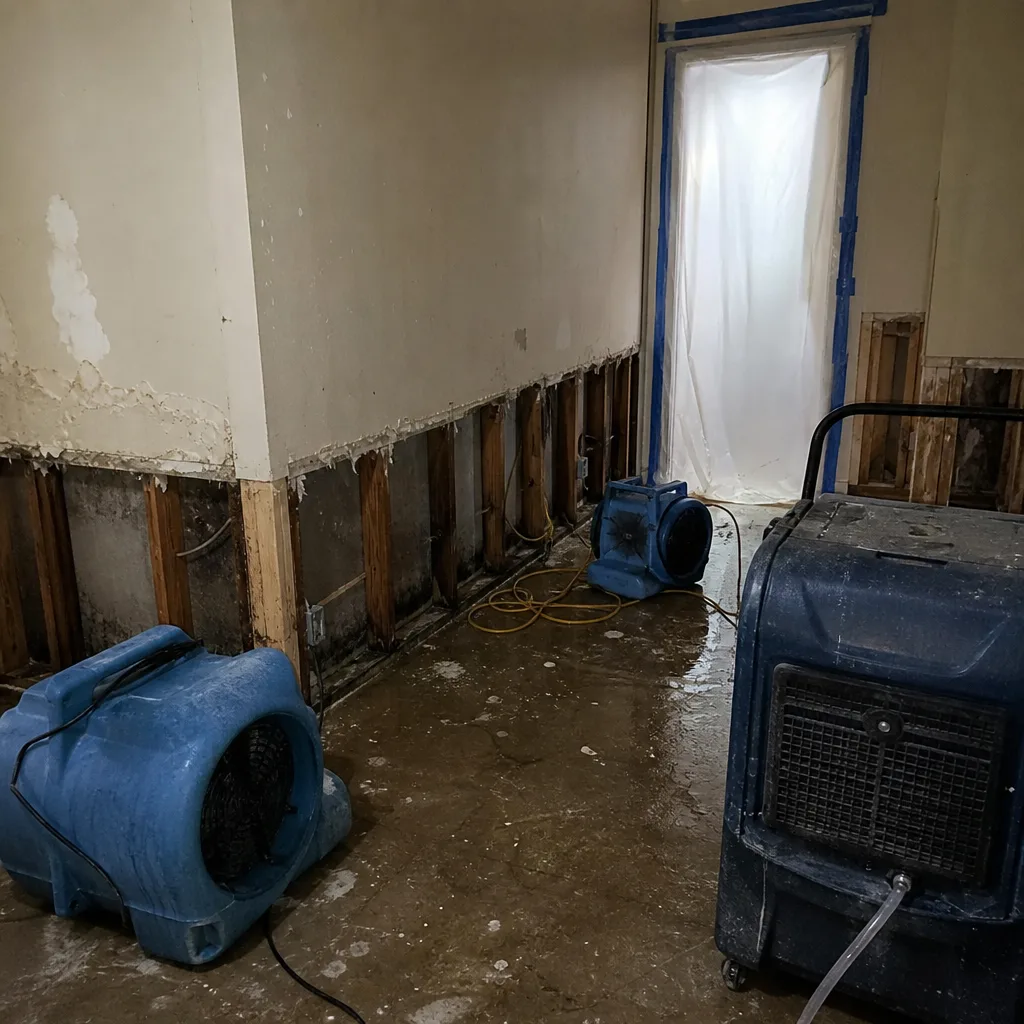 Before
 After
After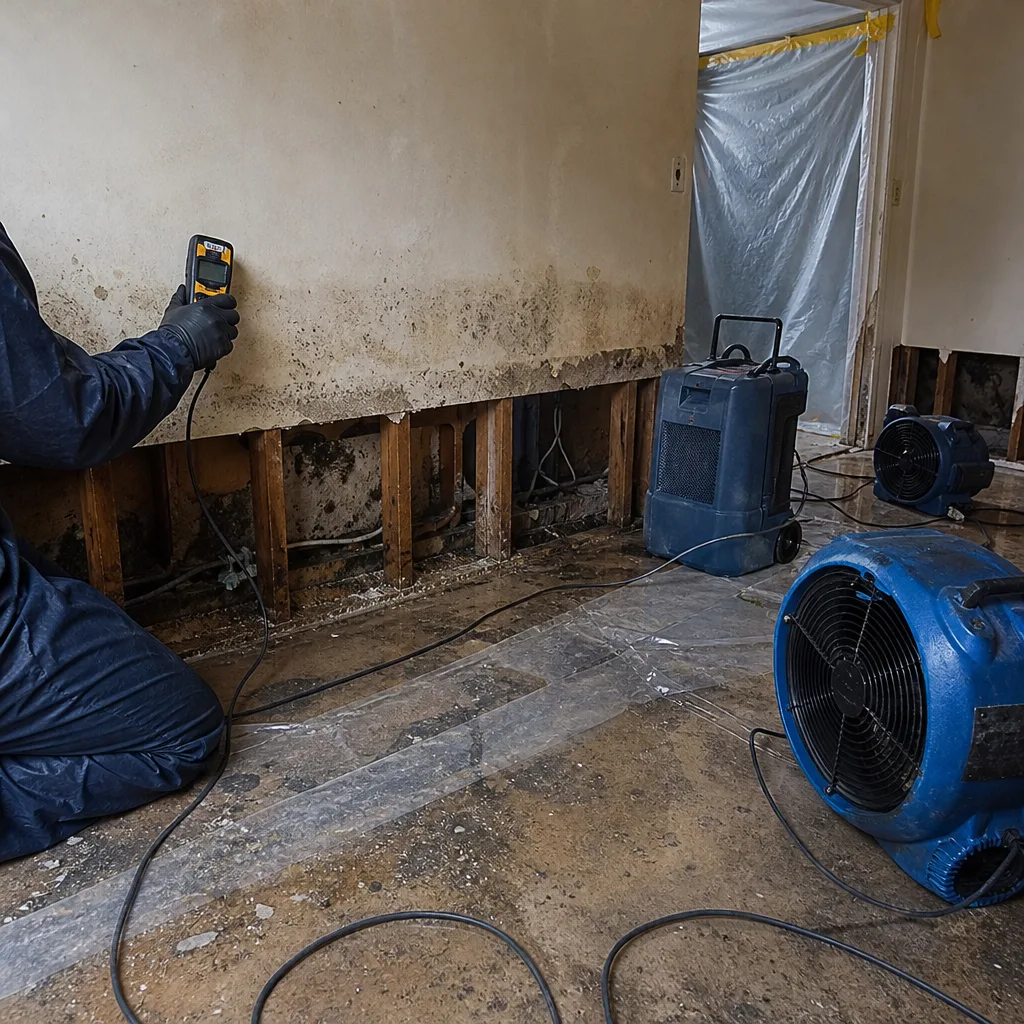 Before
 After
After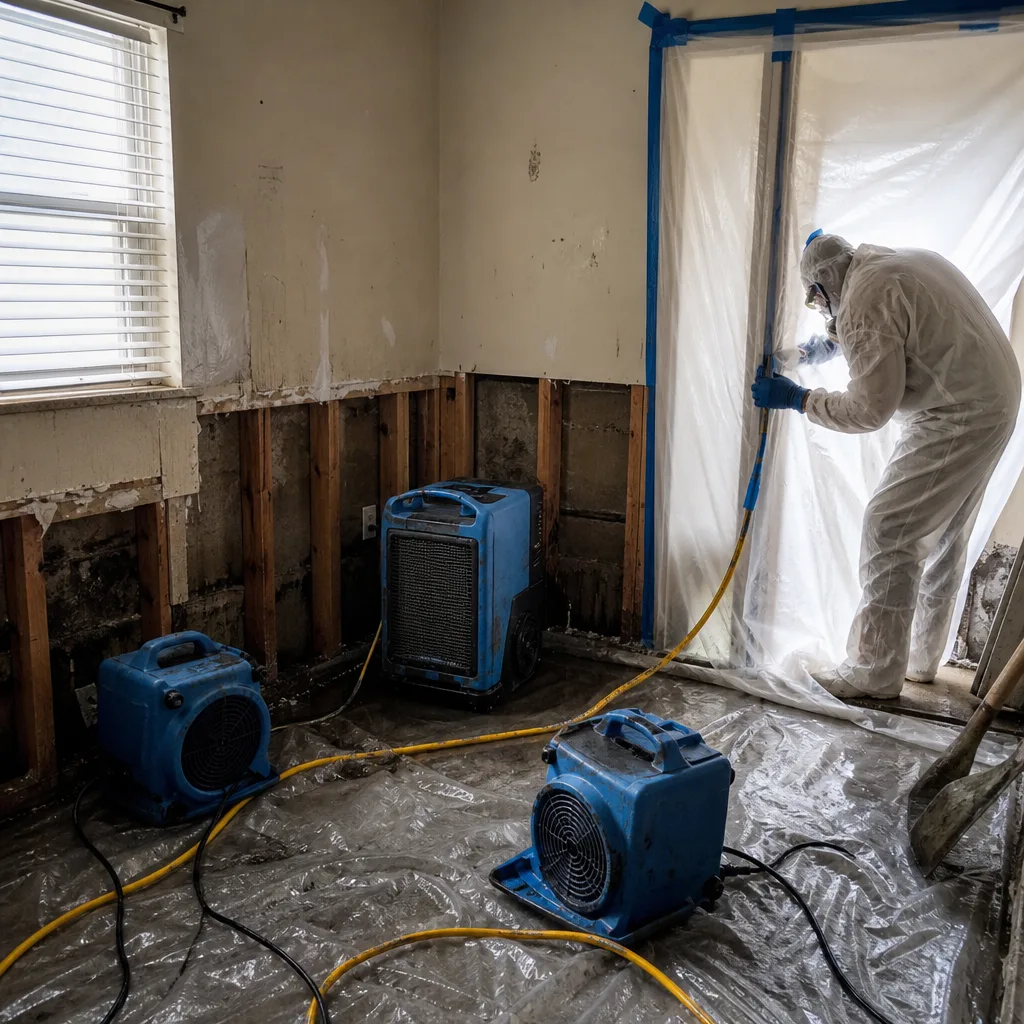 Before
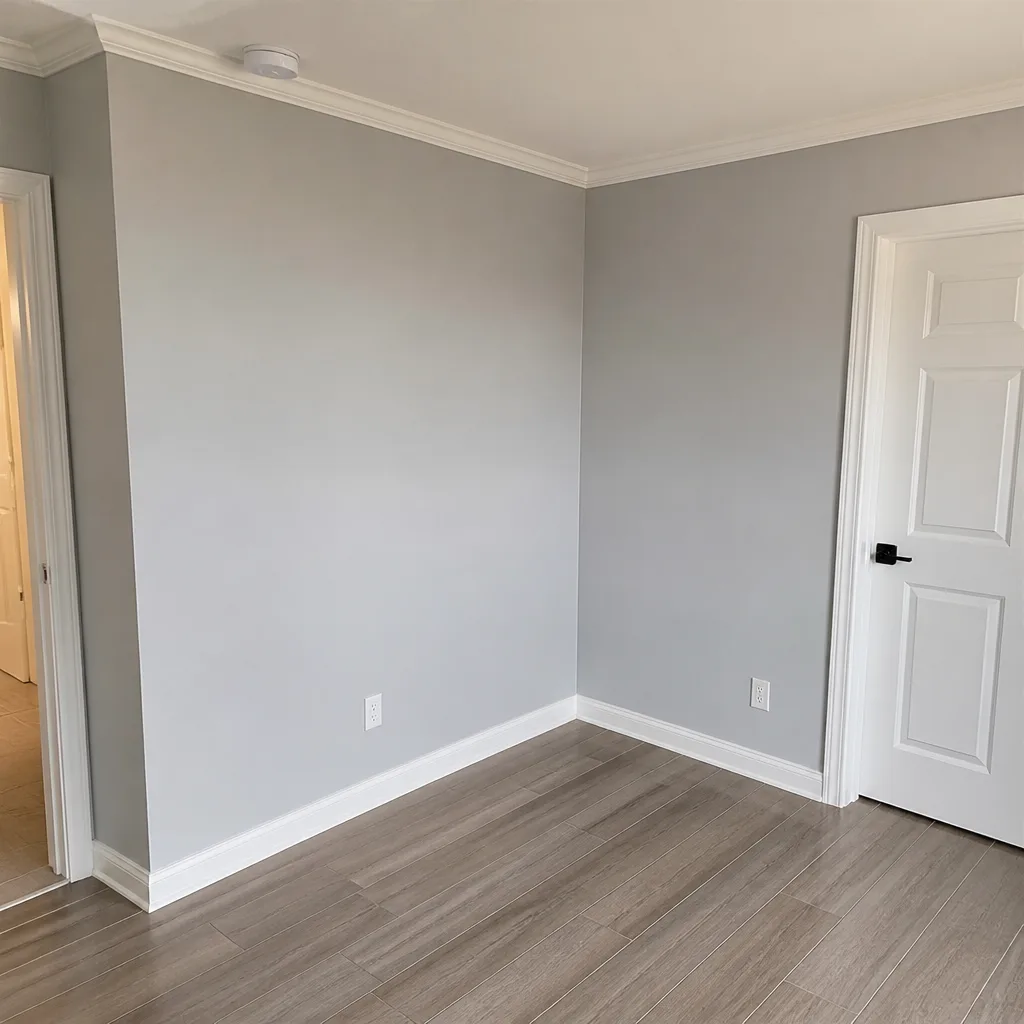 After
AfterPricing for Water Damage Restoration in South Apopka, FL
Here are the numbers we quote most often in South Apopka, before insurance involvement: emergency water extraction runs $900 to $2,700 for a standard room; structural drying with dehumidifiers and air movers runs $1,800 to $4,500 depending on square footage and how much of the slab is involved; a flooded split-level lower room with category 3 water runs $4,000 to $9,000 because of the tear-out, sanitizing, and drying time required. Cast-iron drain repair under the slab, when that’s the source, runs $3,500 to $11,000 depending on how much slab must be opened. Every quote is written before work begins, and if we find something after opening a wall, we stop and get your written approval on the new figure before proceeding. Call (850) 446-8938 for a free, written estimate. The estimate is free; the price you sign is the price you pay.
We Also Serve Cities Near South Apopka
Our crews cover South Apopka and the surrounding areas, including Orlando, Kissimmee, Clermont, and Sanford. If you live just over the city line in any direction, the same Threshold Verified technicians, the same written-pricing rule, and the same 365-Day Done Right Promise apply.
Serving South Apopka, FL - Our Local Coverage Area
We’re based in the South Apopka area and know this community well. Use the map below to see our service coverage - if you’re nearby, we can almost certainly help.
FAQs About Water Damage Restoration in South Apopka
South Apopka’s high water table from the Wekiva River basin keeps the soil beneath slab foundations perpetually damp, and moisture wicks up through the concrete itself. Even after visible water is extracted, the slab re-wets the bottom of walls and flooring, so structural drying here typically runs five to seven days versus three to four in Orlando neighborhoods on higher ground. Call (850) 446-8938 and we’ll explain exactly what your home’s moisture readings mean before any equipment goes in.
The difference is usually the smell and the pattern. Stormwater flooding in South Apopka is consistent with a single heavy rain event and spreads evenly from walls or doorways; a broken cast-iron under-slab sewer line produces a faint sulfur odor, dark staining around floor drains, and slow reappearing dampness even on dry days. We map the source with moisture meters and sometimes a camera scope before any tear-out begins, which prevents expensive misdiagnosis. Call (850) 446-8938 if the water has shown up more than once or smells like drains.
No. Category 3 water, including sewage from a failed cast-iron line or a backed-up drain, is unsafe to dry in place because it carries bacteria and pathogens that air movers will spread through the house. In South Apopka we remove the affected drywall, insulation, and padding, sanitize the studs and slab with EPA-registered antimicrobials, and only then begin structural drying. This is also where photo documentation for your insurance adjuster matters; we document everything before, during, and after. Call (850) 446-8938 and we’ll walk you through what to expect on a category 3 job.
South Apopka is in a wind-borne debris region of Orange County, so exterior doors should meet Florida Building Code impact requirements, typically a wind-load rating of at least 140 mph and, depending on the structure, Miami-Dade or Florida Product Approval impact resistance. A door that meets code keeps wind-blown rain from pressurizing your home’s interior and blowing water past the threshold and into walls, which we see often in older homes where original doors have sagged. We can assess your door seals and openings as part of a water damage inspection.
In South Apopka’s 70 to 80 percent year-round humidity, mold spores can germinate on wet drywall and carpet padding in 24 to 48 hours, and the longer the water sits, the deeper the infestation moves into framing and subflooring. That’s why we dispatch crews on the same call, not the next day. The faster extraction and drying start, the less ends up in a tear-out pile. Call (850) 446-8938 now, and if it’s a false alarm, the inspection costs you nothing.
Why South Apopka’s Water Table Changes How We Dry
Most restoration guides written for a national audience assume a slab dries out once the standing water is gone. South Apopka doesn’t work that way. The Wekiva River basin pushes groundwater against the underside of slab foundations all year, and our moisture readings often show elevated relative humidity in the concrete even before a storm hits. That means water extraction alone isn’t enough here. Structural drying has to run longer, with instruments, not assumptions, telling us when the slab has actually reached target dryness. If a company quotes you a three-day dry-out in South Apopka, ask how they’re accounting for the water table. We already know the answer, and we plan for it from the first moisture reading.
We responded to a 1980s ranch on Errol Parkway after a summer thunderstorm dumped 2.5 inches in an hour. Our techs found the slab wicking moisture into the drywall 18 inches up from the base. We ran XPOWER air movers and a Dri-Eaz dehumidifier for five days, checking moisture readings twice daily, and pulled out a corroded cast-iron drain line under the slab that had been seeping grey water. The homeowner had blamed the storm until we mapped it.
That’s the work we do in South Apopka, and that’s the reason we never stop at “surface dry.” If you’ve got water where it shouldn’t be, call (850) 446-8938. A live person answers, we send you the technician’s name and photo before they arrive, and the price is on paper before any work begins. If the repair isn’t right within 365 days, we come back and make it right. That’s not a tagline; it’s printed on every work order we leave in South Apopka.
Written by Tobias Reyner, Owner at Marsh Water Damage Orlando, serving South Apopka and surrounding Orange County areas since 2005.