
Last updated October 16, 2026
 Water damage drying
 Fire & smoke cleanup
 Mold remediation
 Storm response
 Sewage cleanup
 Reconstruction
Free visual inspection and a written scope of work before any mitigation begins - photos, moisture readings, and drying logs go in your claim file
The scope we write is the scope we bill. Anything new gets shown to you, in writing, before we touch it.
Get your free estimateSeasonal Damage Restoration Care for Orlando: Year-Round Homeowner’s Guide
February is the month Orlando homeowners are least worried about water damage. It’s also the month when thermal expansion from cold snaps, rare but real in Central Florida, causes the most plumbing joint failures in homes that haven’t seen below-40°F temperatures since the previous winter. The water event nobody plans for is rarely the one the calendar says to expect. This guide walks you through Orlando’s real water-risk calendar: two distinct seasons of threat, not four seasons of weather. You’ll learn what to inspect, when to inspect it, how much common fixes run in the Orlando market, and which three actions prevent the majority of restoration bills we see at Marsh Water Damage Orlando home.
Restoration work we handle
Quick Answer
Orlando does not have a single “wet season” for home damage. It has two: hurricane season (June through November), when water arrives from outside through wind, roof, and flood paths, and the shoulder months (November through February and April through May), when internal plumbing, slab leaks, and HVAC condensate systems fail from thermal stress and seasonal demand shifts. The highest-leverage actions are a five-point exterior inspection before June 1, a cold-snap protocol for slab homes before the first sub-40°F night, and an AC condensate and drain pan inspection in April before the first hard cooling week.
Table of Contents
- Orlando’s Real Water Risk Calendar: Why “Four Seasons” Advice Fails Here
- February Cold Snap Protocol: What Slab-Home Plumbing Actually Needs
- April – May: AC System Restart Inspection and the Summer Water Loss Prevention Window
- June 1 Pre-Hurricane Prep: The Five-Point Exterior Inspection Timed for Orlando
- July – September Active Storm Season: The First 15 Minutes That Decide Your Claim
- October – November Wind-Down: The Undetected Roof Damage That Becomes January Mold
- Common Mistakes to Avoid
- When to Call a Professional
- Frequently Asked Questions
- The Bottom Line
Orlando’s Real Water Risk Calendar: Why “Four Seasons” Advice Fails Here
Generic seasonal maintenance guides and even The Complete Guide to Damage Restoration in Orlando may tell you to “winterize pipes in fall” and “check gutters in spring.” That advice assumes a climate with freezing winters and snowmelt. Orlando, FL runs on a different clock. We have a subtropical pattern with a long, hot, humid summer, mild and occasionally cold snaps in winter, and two distinct shoulder periods where interior mechanical systems take the most stress.
Here’s the calendar that actually matters to an Orlando homeowner:
- December – February: Cold snap window. Rare but real freezes. Thermal expansion stresses copper joints, CPVC fittings, and supply lines in slab-embedded plumbing. Interior water events rise while exterior events stay low.
- March: Transition month. Warming days, cooler nights. Minor slab shifts from moisture changes can expose weak pipe joints. Low event count, but a good month for slab leak testing.
- April – May: HVAC restart window. First sustained cooling weeks. Condensate lines that clogged over winter, cracked drain pans from the prior summer, and undersized overflow drains all fail now. This is the single most preventable water loss category we see.
- June – November: Hurricane season. Wind-driven rain, roof damage, and rising groundwater. Exterior water intrusion dominates. This is the season for the five-point exterior inspection and rapid response planning.
- October – November: Post-storm wind-down. Hurricane season officially ends November 30. The last minor storms of the season leave roof damage that hides until January’s dry air reveals water stains, or worse, until spring humidity activates dormant mold.
What makes Orlando unique is that the two water sources rarely overlap. Interior plumbing events spike from December through May. Exterior intrusion events spike from June through November. A homeowner who only prepares for hurricanes misses 60% of the water losses we respond to each year. And a homeowner who only fixes interior plumbing never sees the roof damage until it’s already a Mold Remediation in Orlando job.
February Cold Snap Protocol: What Slab-Home Plumbing Actually Needs
Most of suburban Orlando’s homes built before 2000 sit on concrete slab foundations. The water supply lines run inside or under that slab. When a hard cold snap hits, usually a night or two below 38°F, two things happen: the slab contracts slightly, and the water sitting in those lines cools to a temperature that stresses pipe joints. Copper and CPVC expand and contract at different rates. The joints are where they fail.
The standard advice for northern homes, “drip your faucets overnight,” doesn’t map cleanly to slab construction. In a slab home, the pipes are insulated by concrete, not exposed in a cold crawlspace or attic. The risk isn’t freezing in the pipe. The risk is contraction stress at fittings just below the slab surface. Dripping faucets does little for buried lines. What does help:
- Know where your main shutoff is before the cold night arrives. Time spent hunting for the shutoff while water spreads under slab flooring is money you’ll never recover from your claim.
- Insulate exterior hose bibs and any exposed copper visible in the garage or on outside walls. These are the only pipe segments directly exposed to outside air. A $6 foam cover beats a $900 drywall and flooring repair.
- Open cabinet doors under kitchen and bath sinks the night of a hard freeze. This lets interior air reach wall cavities behind the cabinets, where supply lines run up from the slab.
- Listen for hissing or faint running-water sounds after a cold night. A slab leak often announces itself quietly. The first sign might not be a puddle. It might be a warm spot on a tile floor, a spike in the water bill, or a faint sound behind a wall.
- Check water meter movement. Turn off all water inside, then watch the meter. If the small leak indicator is spinning, you have a hidden leak. This is the fastest, cheapest diagnostic available.
In our experience across Orlando’s slab-heavy neighborhoods like Conway, Dover Shores, and Pine Hills, the cold-snap failures we see most are copper-to-CPVC transitions under kitchen sinks and at water heater inlets. Those transitions were often done with quick-connect fittings that degrade over a decade or two of thermal cycling. A $40 fitting replacement in February prevents a $3,800 to $6,500 water extraction and flooring replacement in March.
April – May: AC System Restart Inspection and the Summer Water Loss Prevention Window
If an Orlando homeowner takes one preventive action all year, it should be the April AC restart inspection. Here’s why: a central AC system in Orlando runs 2,800 to 3,400 hours per year. Every hour it runs, it pulls moisture out of the air. That moisture, roughly 5 to 20 gallons per day depending on humidity and home size, drains through a 3/4-inch PVC condensate line into a drain or outside. When that line clogs, the water has nowhere to go but the drip pan. When the pan cracks or the overflow switch fails, the water goes into the ceiling, the wall, or the floor.
What to check in April before the first hard cooling week:
- Pour 1 cup of white vinegar or a cup of warm water with a small amount of unscented dish soap into the condensate line at the indoor unit. If it doesn’t drain quickly, the line is clogged with algae or debris, and you’ll have a pan overflow within weeks of heavy use.
- Inspect the drip pan for hairline cracks. Plastic pans in attics crack from heat exposure over 5 to 8 years. A cracked pan leaks slowly during every cooling cycle, and the first visible sign is usually a ceiling stain below the air handler.
- Check the float switch. The float switch sits in the drain pan and shuts off the AC when water rises. Test it by gently lifting the float with a dry finger. If the unit doesn’t shut off, replace the switch. It’s a $25 part that prevents a $2,000 ceiling repair.
- Look for rust or mineral deposits on the secondary drain line outlet outside. If you see water dripping from the secondary line while the AC runs, the primary line is clogged and water is already in the overflow path.
- Confirm the air handler sits level. An unlevel unit sends condensate to one corner of the pan, where it can spill over the rim instead of draining. A simple shim fix beats a ceiling replacement.
This one inspection, done in about 20 minutes, prevents what we consider the most preventable water loss category in Orlando. Residential AC condensate overflows in the summer months average $2,800 to $4,200 in water extraction, drywall, and repaint when they run long enough to soak insulation and drywall. We’ve responded to these in homes across Dr. Phillips, Winter Park, and College Park, and the homeowner almost always says the same thing: they had no idea the AC system even had a drain.
June 1 Pre-Hurricane Prep: The Five-Point Exterior Inspection Timed for Orlando
Hurricane season officially starts June 1. Waiting until a named storm is in the Atlantic is how homeowners end up with a roof tarp that arrives a week late and a water bill that arrives a month later. The right time to inspect is the first week of June, not the day before a storm.
Here’s the five-point exterior inspection that maps specifically to Orlando’s storm-risk profile. Our Storm Damage Restoration in Orlando work starts long before storms hit, and this is the checklist we recommend every homeowner run:
- Roof edge and drip lip. Walk the perimeter and look up. Loose drip edge, missing shingle tabs, or visible underlayment at the roof edges are where wind-driven rain enters first. Orlando’s typical summer storms produce brief but intense wind gusts from the east and southeast, so the east-facing roof plane takes the most repeated loading.
- Gutter attachment points and downspout direction. Gutters that pull away from the fascia let water sheet down the wall behind the gutter. Downspouts that discharge within 3 feet of the foundation saturate the soil and raise hydrostatic pressure against walls and slab edges, a major contributor to slab-edge wicking and interior dampness.
- Window and door flashing. Look for gaps or cracked caulk around exterior window trim and door frames. Orlando’s summer afternoon storms often produce 2 to 4 inches of rain in under an hour. A window with failed flashing on the windward side takes on water in exactly those conditions.
- Exterior wall penetrations. Cable lines, irrigation control boxes, hose bibs, and vent caps all pierce the exterior wall. Each penetration should be caulked and sealed. During a hard rain with wind, these small gaps act like straws, directing water into the wall cavity.
- Yard grading and drainage swales. Walk the yard after a normal rain and look for standing water within 10 feet of the house. Orlando’s sandy soil drains well in most areas, but years of landscape additions and settled backfill change drainage patterns. Water that pools against the house during a tropical storm finds its way under the slab or through hairline wall cracks.
Each of these five checks takes minutes. The combined cost of fixing all five issues, when caught early, is typically a few hundred dollars. The combined cost of ignoring them through a single active season in Orlando ranges from $8,000 to $25,000 or more in restoration work.
July – September Active Storm Season: The First 15 Minutes That Decide Your Claim
When water enters an Orlando home during a storm, the first 15 minutes set the trajectory for everything that follows: the total restoration cost, the insurance claim outcome, and whether the damage stays at a manageable level or becomes a long-term mold problem.
Here’s the sequence we recommend, and here’s what your insurer looks for when they review the claim:
- Shut off the water source, if safe. This means turning off the main water shutoff if the source is a burst supply line. For storm intrusion, this means closing the door or window that’s letting water in, if you can do so without risk. Never walk through standing water in contact with electrical outlets or appliances.
- Document everything with your phone. Photos and video of the water path, the source, the affected rooms, and the water level. Your insurer’s adjuster will look for this documentation to confirm the loss happened as described. Photos taken within the first hour are worth more than any written description.
- Move what you can to dry ground. Furniture, rugs, electronics, and documents that are dry but in the path of water should be lifted or relocated. The water that saturates a rug in the first hour is the water that grows mold in the next 48.
- Call your insurer first. Report the claim and ask them what documentation they want. This creates the paper trail. Then call us at (850) 446-8938 for a Water Damage Restoration in Orlando assessment.
- Do not begin demolition or removal until you’ve documented and spoken with a restoration professional. Insurers look for “reasonable steps to protect property.” That means moving belongings and stopping the source. It does not mean tearing out drywall before the adjuster sees it. Hasty demolition can reduce your payout.
What insurers specifically look for in Orlando storm claims: timestamps on photos, proof you stopped the water source, evidence you protected undamaged property, and a clear line between the covered event and the damage. A restoration company that documents the drying process with psychrometric readings (measuring the moisture in the air) gives your adjuster the third-party validation that the damage was fully addressed, which supports a full claim payout.
Cost context for active-season Orlando water events: a typical wind-driven rain intrusion through a failed window flashing into a single room runs $3,200 to $5,800 for extraction, drying, drywall repair, and repaint. Roof leak damage to a ceiling and attic insulation runs $4,500 to $9,000 depending on the extent. The faster the response, the lower the drywall and insulation replacement component.
October – November Wind-Down: The Undetected Roof Damage That Becomes January Mold
Hurricane season in Orlando officially winds down on November 30. The danger doesn’t. The final weeks of the season are when small roof failures from earlier, weaker storms go undetected. A June squall lifts a shingle tab enough to let water under the underlayment. The leak is minor, maybe a cup of water per rain event. It wicks into the roof decking, dries slowly in the hot summer, and never shows a visible ceiling stain. Then December’s dry air and January’s cooler temperatures create the conditions where that trapped moisture condenses, and suddenly the homeowner sees a water stain on the ceiling. By then, the roof decking has been damp for months, and what started as a $300 shingle repair is now a mold remediation and roof deck replacement project.
What to do in the last two weeks of November:
- Inspect attic and ceiling surfaces with a flashlight. Look for dark spots, water rings, or discoloration that wasn’t there in September. Check both the underside of the roof decking and the top side of the ceiling drywall.
- Check for loose shingle tabs or lifted edges visible from the ground. A pair of binoculars works well, or a quick call to a roofer for a $150 to $250 inspection. Compare that to the $6,000 to $12,000 average cost of roof deck mold remediation and replacement in Orlando.
- Look for stains around ceiling light fixtures and bathroom exhaust fans. These are where roof leaks often find a path through the ceiling. The water follows the electrical wiring or vent pipe and stains the ceiling around the fixture.
- Check your December and January water bill against the previous year. A small, hidden slab leak can run for weeks before it shows as a damp patch. The water bill is often the first alert.
- Walk the yard after the last heavy rain of the season. Look for soft spots, persistent puddles, or areas where the soil settles unusually. These can indicate an exterior line leak, a failed irrigation junction, or a drainage problem that will worsen with the next season’s rains.
We’ve responded to January mold jobs in Orlando’s Maitland, Altamonte Springs, and Casselberry neighborhoods where the homeowner traced the first subtle sign back to a September or October storm they hadn’t thought twice about. The pattern is consistent: small event, hidden path, dormant moisture, visible damage months later. The fix is the same: inspect annually in November, not when the stain appears.
Common Mistakes to Avoid
- Waiting for a named storm to do exterior prep. By the time a hurricane has a name and a track, Orlando hardware stores are sold out of tarps, gutters are backed up for weeks, and roofers are booked. The five-point June 1 inspection is the only prep that actually happens in time.
- Dripping faucets in a slab home as the primary freeze defense. That advice is for exposed pipes in crawlspaces and attics. In Orlando’s slab construction, the real risk is thermal contraction at pipe joints, and the real defense is knowing where the shutoff is and insulating exposed exterior lines.
- Ignoring the AC condensate line because “the AC is working fine.” A clogged condensate line doesn’t affect cooling performance until the float switch trips. By then, the pan has already overflowed. The April restart inspection catches the clog before it becomes a ceiling repair.
- Assuming roof leaks show up within days of the storm. In Orlando’s hot, dry periods between storms, small leaks dry before they stain. The damage accumulates invisibly in the roof decking. The November attic inspection is the only reliable way to catch these before they become mold.
- Starting demolition before documenting the damage. Insurers in Florida process hundreds of claims after every major storm. They look for documentation first. Ripping out drywall before photos or before the adjuster arrives weakens your claim position.
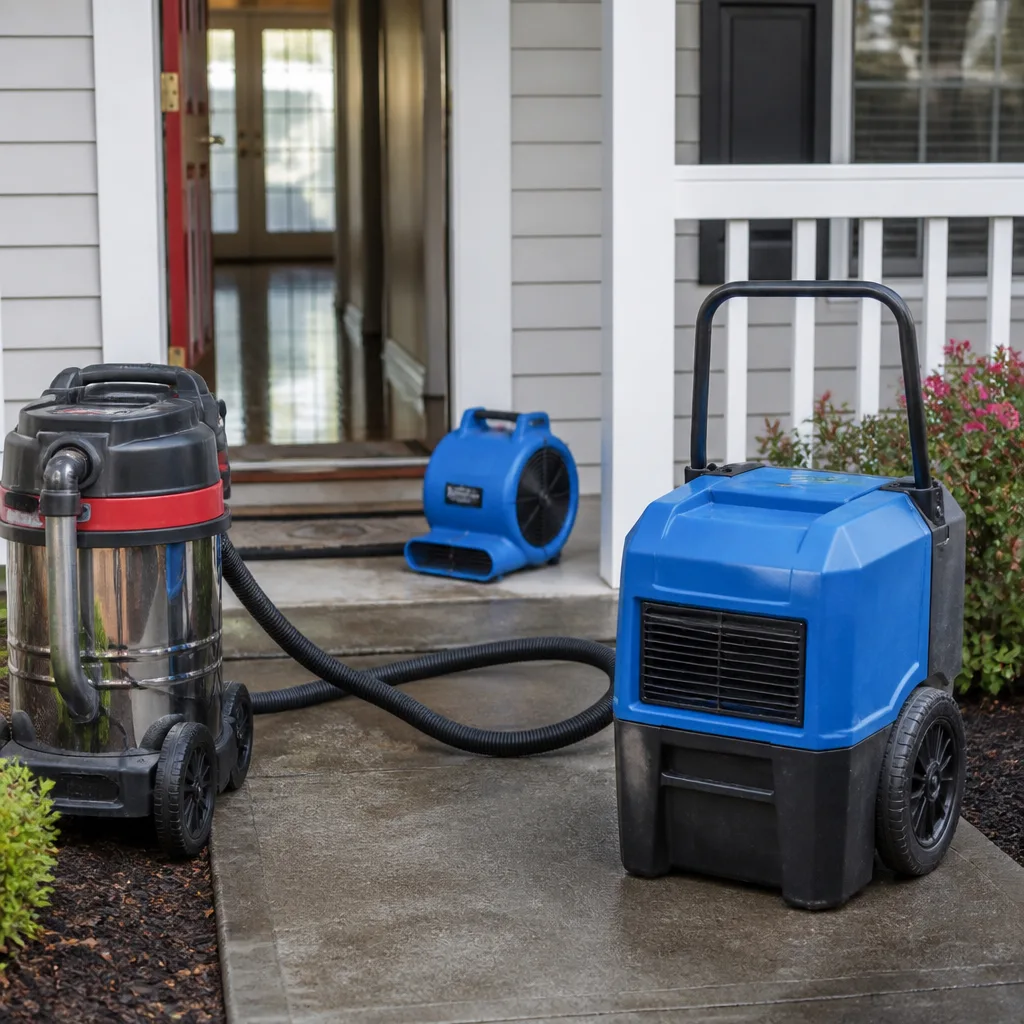
- Using box fans and a shop vac for a Category 2 or 3 water event. Water from a toilet overflow, a backed-up floor drain, or storm intrusion from outside is contaminated. Box fans don’t dry wall cavities, and a shop vac doesn’t remove water from insulation or under flooring. Professional extraction and drying equipment from brands like Dri-Eaz and Phoenix pull moisture from materials that surface drying never reaches.
- Assuming a small water stain is “nothing to worry about.” Every water stain in an Orlando home represents moisture that got somewhere it shouldn’t have. The question is not whether it’s a problem. The question is how long it’s been there and what’s growing behind it.
When to Call a Professional
Call a restoration professional when water has penetrated drywall, insulation, flooring, or ceilings. Call when you see any visible mold growth larger than a dinner plate. Call when water has been standing for more than 24 hours. Call when the water source is a sewer backup, toilet overflow, or storm surge. Call when you smell a musty odor that persists after a leak. Call when your water bill spikes without explanation. In each of these cases, the damage is beyond what a shop vac and fans can address, and delays increase the total restoration cost. Marsh Water Damage Orlando offers free estimates in Orlando, and a live person answers at (850) 446-8938 any hour of any day.
Frequently Asked Questions
Most residential water extractions in Orlando run between $2,500 and $6,500 before drying equipment is set, depending on the size of the affected area and the water category. Smaller, contained leaks like a single room with a supply line failure typically cost $2,800 to $4,200 including drying, drywall repair, and repaint. Larger events like a roof leak across multiple rooms or a toilet overflow that reaches the ceiling below can run $6,000 to $12,000 or more. Call (850) 446-8938 for a free on-site estimate with a written price before any work begins.
Standard Florida homeowner’s policies cover sudden and accidental water damage, which includes burst pipes, storm-driven rain intrusion through an opening created by the storm, and appliance failures. They generally do not cover gradual leaks, lack of maintenance, or flood damage from rising groundwater, which requires a separate flood policy. The best way to strengthen your claim is to document the event promptly, take photos, stop the water source, and call a restoration company that can provide third-party drying documentation for your adjuster.
Marsh Water Damage Orlando answers every call with a live person, 24 hours a day, 7 days a week, including holidays. A technician can typically be at an Orlando home within hours of your call, depending on your location and current demand. The first 24 hours after a water event are the most important for drying, so early response directly reduces your total claim and repair cost.
For category 1 water from a clean supply line, a small, contained spill that you catch immediately and dry within 24 hours can sometimes be handled with good air movement and dehumidification. For any water that has soaked into drywall, insulation, flooring, or wall cavities, professional drying is the difference between a $3,000 repair and a $15,000 mold remediation six months later. Equipment like the Injectidry panel drying system pulls moisture from inside wall cavities, which is not something fans can do.
In the winter months, the most common claim is a plumbing joint failure in a slab home during or just after a cold snap. In the summer months, it’s AC condensate overflow from a clogged drain line. In the fall, it’s roof leak damage from a September or October storm that went undetected until the stain appeared. Each is preventable with the seasonal checklist in this guide.
Your restoration company should be able to work directly with your adjuster, provide the drying documentation and scope of work the adjuster needs, and coordinate directly with your insurer on the claim. At Marsh Water Damage Orlando, we document every job with photo records and psychrometric drying logs, and we work with adjusters across all major carriers serving the Orlando market. You never have to translate restoration terminology for your insurer on your own.
The Bottom Line
Orlando homeowners face water damage in two distinct windows: hurricane season from June through November, when water arrives from outside, and the shoulder months from November through May, when interior plumbing, slab foundations, and HVAC systems fail from thermal stress and seasonal demand shifts. The home that survives the year without a loss is the one where the homeowner ran the June 1 exterior inspection, checked the AC condensate system in April, located the water shutoff before the first cold night, and walked the attic with a flashlight in late November. That’s the whole game. Everything else is insurance paperwork. Marsh Water Damage Orlando has been handling both seasons since 2005, and we answer the phone at (850) 446-8938 whenever the water gets where it shouldn’t.
Written by Tobias Reyner, Owner at Marsh Water Damage Orlando, serving Orlando since 2005.
See the difference
 Before
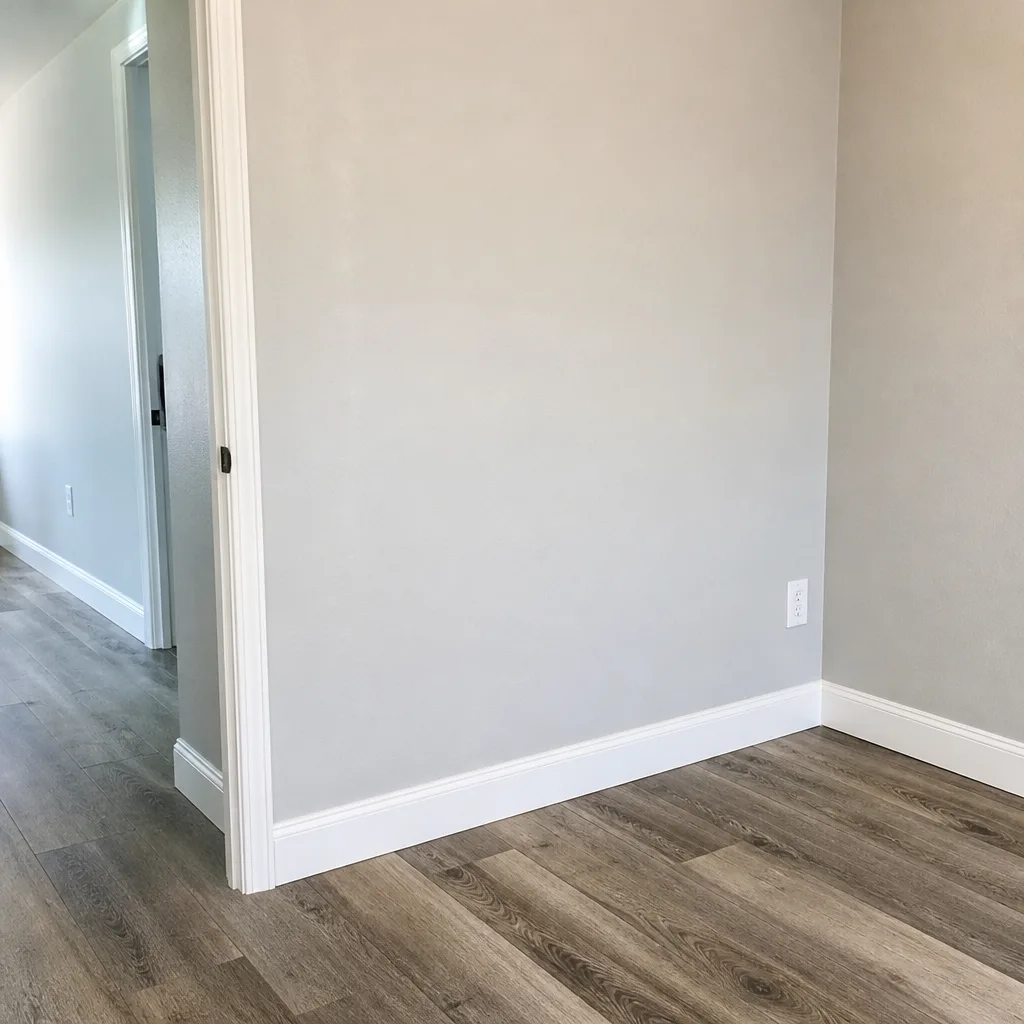 After
After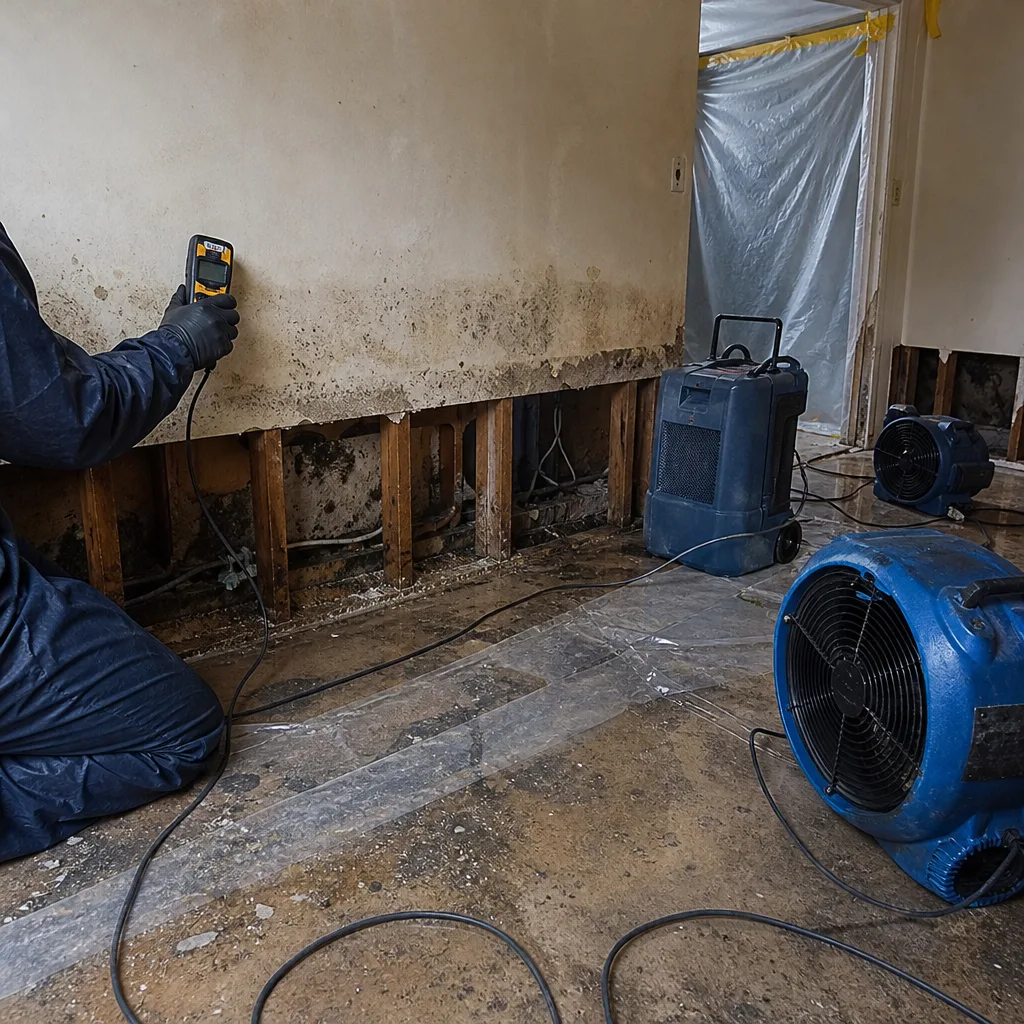 Before
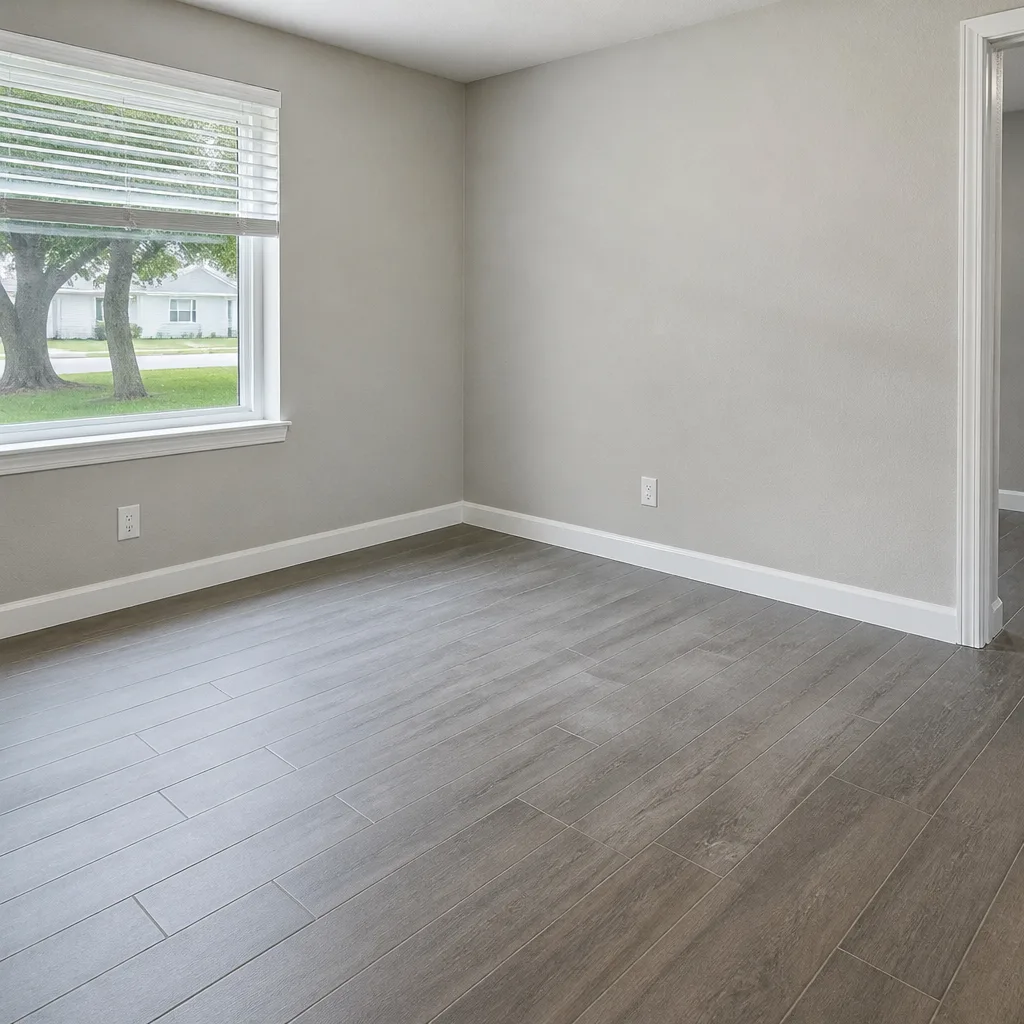 After
After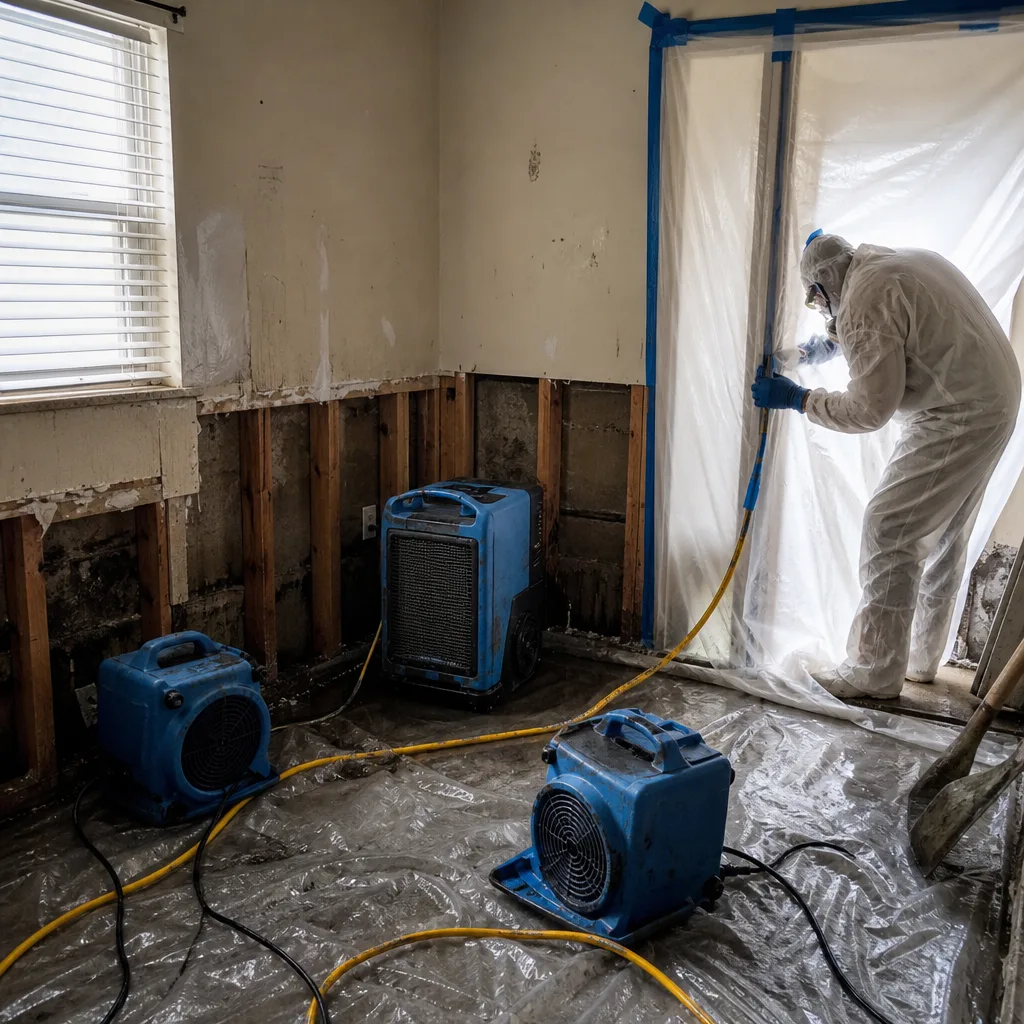 Before
 After
After